%201.svg)


.jpg)
.png)

What Are Good Manufacturing Practices (GMPs)?
.jpg)
Good Manufacturing Practices are the minimum sanitary and processing requirements a food facility has to follow to produce safe, unadulterated food. They cover how employees wash their hands, how raw materials get stored, how equipment gets cleaned, how a facility keeps pests out of production areas.
GMPs are the baseline layer of food safety, sitting underneath more specific programs like HACCP (Hazard Analysis and Critical Control Points) or a HARPC food safety plan. HACCP identifies and controls hazards at specific process steps. GMPs govern the general operating conditions of the whole facility in terms of sanitation, hygiene, maintenance, the controls that apply no matter what's running on the line that day.
Why GMPs Matter in the Food Industry
.jpg)
Food safety failures are rarely caused by one dramatic event. They're small, repeated lapses, like when a sanitation step skipped during a rush shift, a raw material left at the wrong temperature a few hours too long. GMPs exist to close those gaps before they turn into an outbreak, a recall, or a warning letter.
GMPs are also a commercial requirement now. Retailers, distributors, and co-packers increasingly won't do business with a manufacturer that can't produce GMP certification or a passing SQF/BRCGS audit score. For a growing food or beverage brand compliance isn't optional.
The Regulatory Framework: FDA 21 CFR Part 117 and cGMPs
In the U.S., GMPs for food are codified in 21 CFR Part 117, issued under the FDA Food Safety Modernization Act (FSMA). Part 117 replaced the older Part 110 and added two major components:
- Subpart B: current Good Manufacturing Practices (cGMPs): baseline sanitation, personnel, facility, and process requirements every covered facility has to follow.
- Subpart C: Hazard Analysis and Risk-Based Preventive Controls (HARPC): requirements to identify hazards and implement preventive controls, monitoring, and corrective actions.
The "c" in cGMP stands for current. It signals that these requirements move with the industry rather than staying fixed to whatever satisfied an auditor a decade ago. If a better, more reliable way to control and document food safety exists and is in common use, current GMP expects a facility to be using it.
The Key Pillars of GMP Compliance in Food Manufacturing
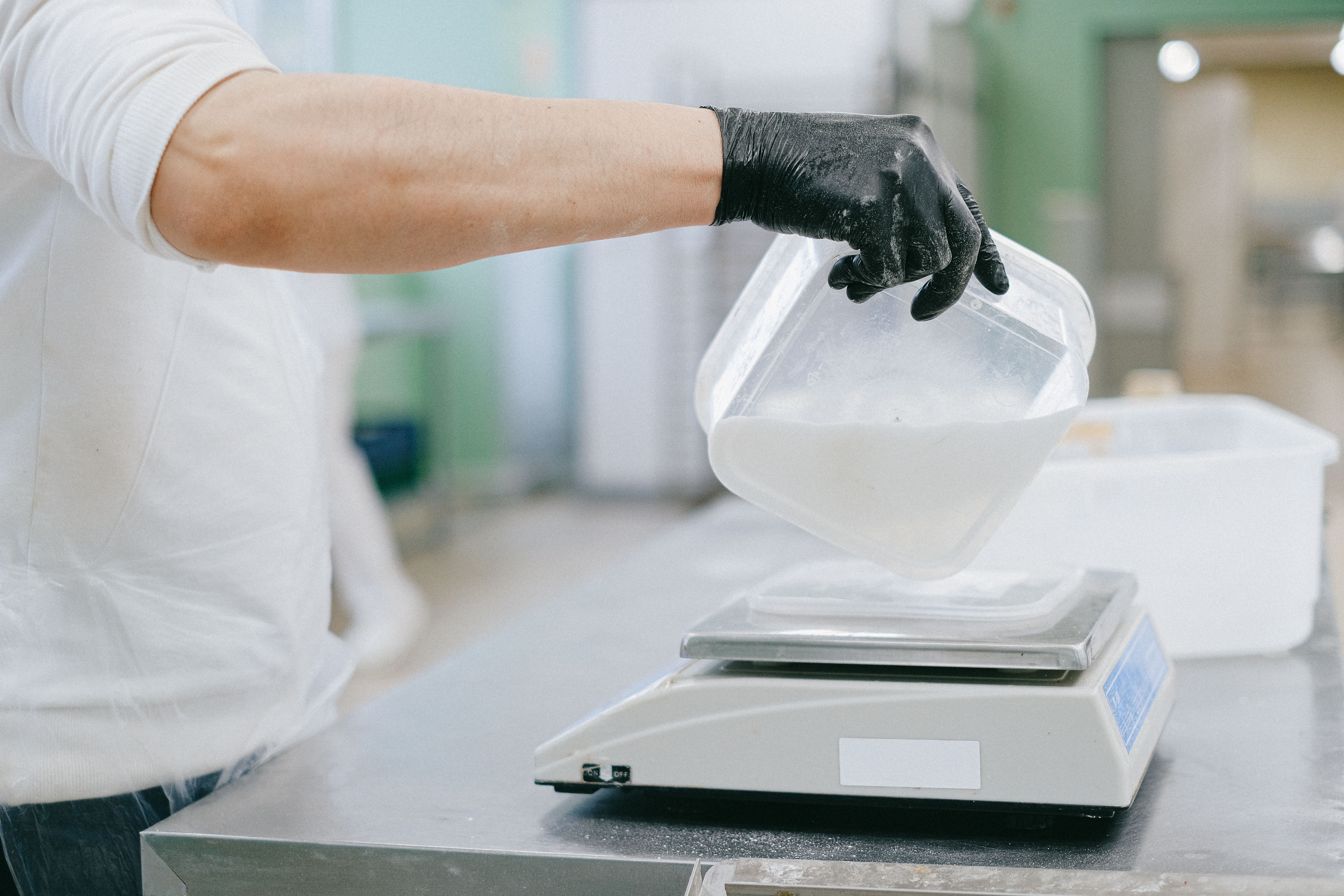
None of the pillars below are one-time setup tasks. Each is a daily discipline that has to hold up if an auditor shows up unannounced.
Facility Design, Sanitation, and Maintenance
The physical plant has to be designed and maintained to prevent contamination: proper drainage, separation between raw and ready-to-eat zones, adequate lighting and ventilation, surfaces that actually clean up. Maintenance means repair logs, condition checks, and corrective action the moment a wall, floor, or drain starts to degrade, not just what got built on day one.
Personnel Hygiene and Training
Every employee entering production is a potential contamination vector. GMPs require hygiene practices like handwashing, glove use, hair restraints, illness reporting, and documented training that proves each employee was actually taught these practices, understood them, and got retrained on schedule. Auditors routinely ask to see a specific employee's training file on the spot.
Equipment, Cleaning, and Sanitation Procedures (CIP)
Clean-in-place (CIP) and manual sanitation procedures need to be validated, scheduled, and logged every time they run, not just when someone remembers. That includes pre-op inspections, chemical concentration checks, and swab or ATP testing to confirm a clean actually worked, not just that it happened.
Raw Material Receiving, Handling, and Storage
GMPs govern how incoming ingredients and packaging get inspected, accepted or rejected, and stored: temperature, humidity, lot segregation, FIFO/FEFO rotation. Lot and expiry tracking lives here too. Every incoming lot needs to be traceable from the dock to the finished case, and every raw material's shelf life needs tracking so nothing expired reaches production. Storage itself, such as the proper warehouse organization, location control, allergen and non-conforming material segregation, is its own GMP requirement.
Production Process Controls and Documentation
Batch records, process parameters like temperature, time, and pressure, and in-process checks all need capturing as production happens, not reconstructed from memory afterward. Traceability earns its place as a GMP pillar here: if you can't reconstruct which lots of raw material went into which finished batch, on which line, at what time, you don't have a production record. You have a guess.
Pest Control and Environmental Monitoring
Pest control programs like traps, bait stations, inspection logs, and environmental monitoring, like swabbing for pathogens such as Listeria in high-risk zones, need consistent scheduling and trending over time. A single clean swab doesn't tell an auditor much on its own. They want to see the trend line, not just today's result.
Common GMP Audit Failures and How to Avoid Them
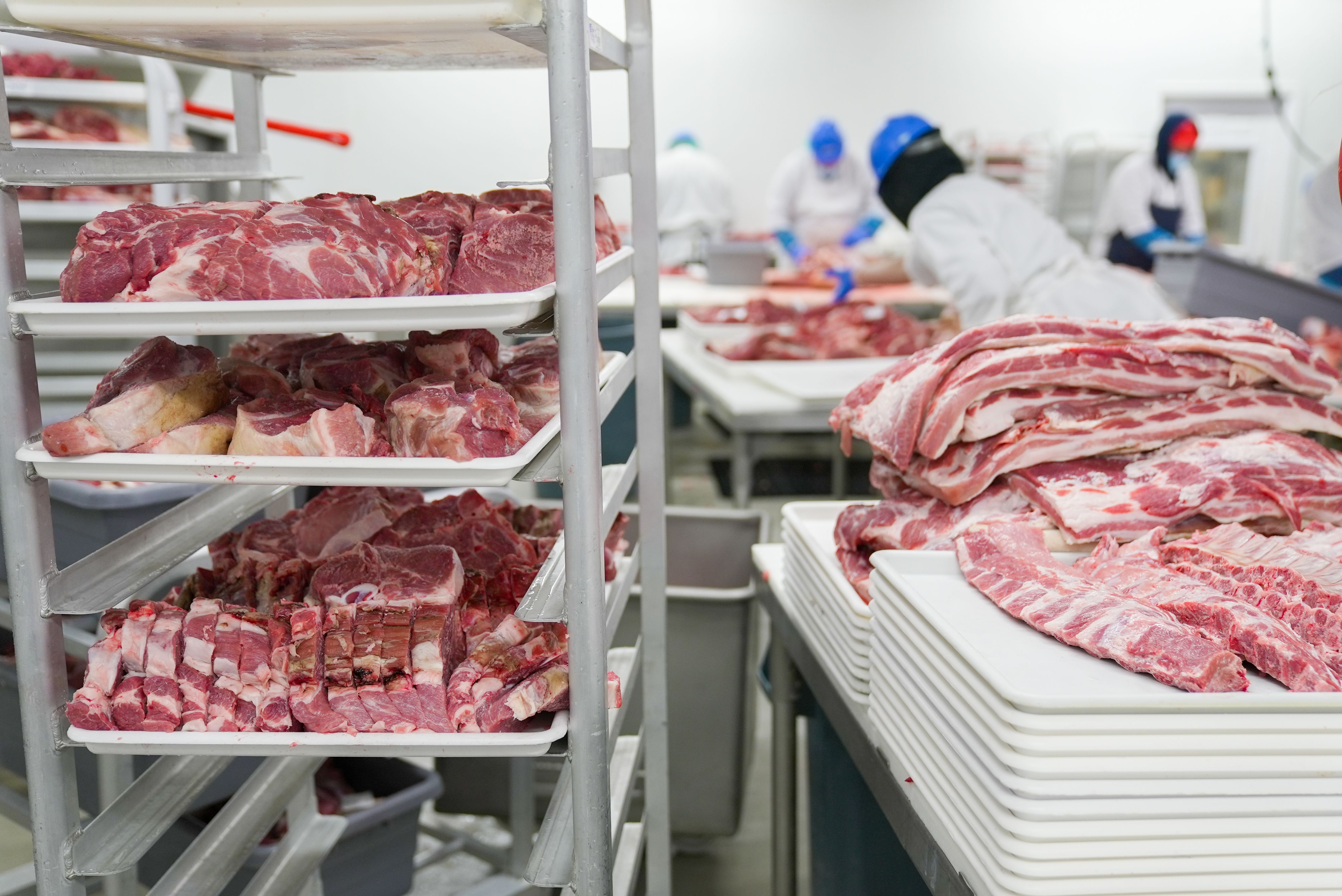
Almost every GMP audit finding traces back to documentation, not the underlying practice. The sanitation happened, but the log wasn't filled out, or it was filled out illegibly, or it got filled out after the fact and backdated. The common failure patterns:
- Missing or incomplete batch records: a step got performed but never logged, or the log is missing a required field.
- Sanitation logs with gaps: a shift change or a weekend where no one recorded the CIP cycle, even if it ran.
- Paper training records that can't be produced fast: the auditor asks for one employee's file and it takes twenty minutes to find, or it's incomplete.
- Inconsistent lot traceability: a mock recall shows the team can't trace a finished lot back to raw materials inside the auditor's time window.
- Fragmented systems: sanitation logs in a binder, training records in a spreadsheet, batch records on paper, inventory somewhere else, with no way to cross-reference any of it under pressure.
The work on the floor is usually fine. It's the paper trail, scattered, manual, reconstructed under pressure, that fails.
What a Slow Trace Costs Right Now

In July 2026, a Cyclospora outbreak tied to shredded iceberg lettuce grown in central Mexico and served at Taco Bell sickened close to 2,000 people across nine states, with 98 hospitalizations.
No product sample tested positive. FDA's case rested on epidemiology alone. In Michigan, 90 percent of interviewed patients had eaten the lettuce.
This is exactly the scenario FSMA 204 was built to speed up: standardized data at each tracking event, records to FDA within 24 hours of a request. But enforcement was pushed from January 2026 to July 2028. This outbreak is running in that gap.
The recordkeeping GMPs already require: traceable lots, reconstructable batches, records on demand, is the same infrastructure FSMA 204 will eventually mandate.
Walmart didn't wait: its supplier traceability requirements have been in effect since August 2025. Building this now means catching up to what retail already expects, regardless of when the federal deadline lands.
How Manufacturing Software Supports GMP Compliance
.jpg)
Every pillar above comes down to the same thing. An auditor can't see what happened on the floor. They only know what got recorded, and how fast that record can be produced.
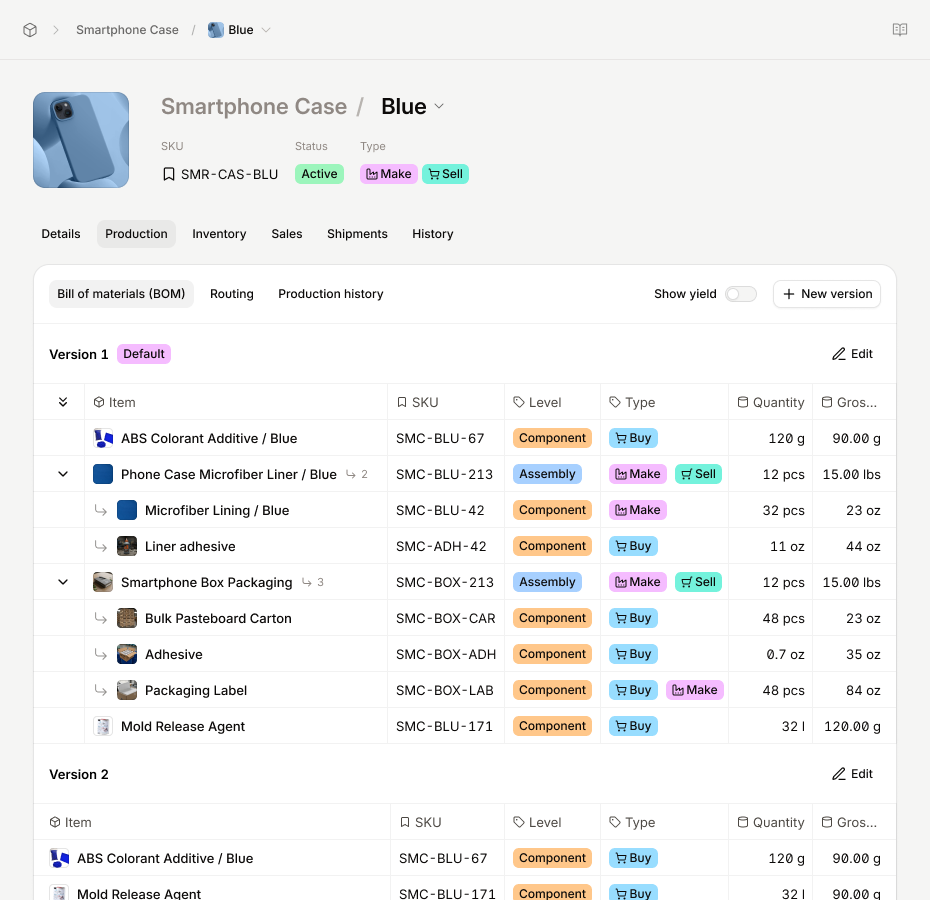
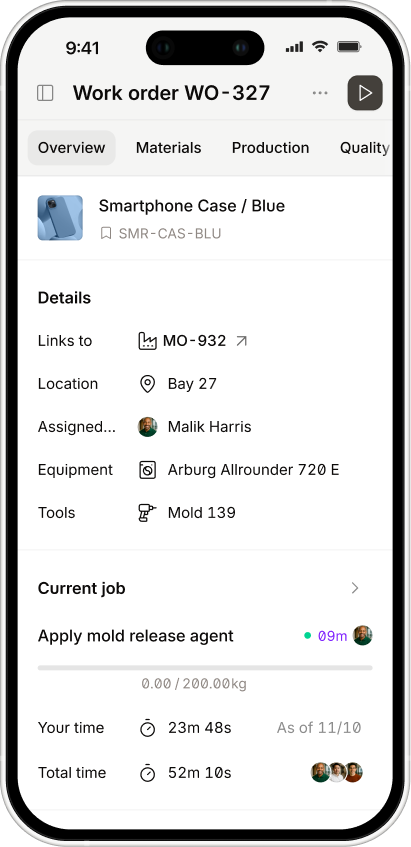
Digit is built so GMP records generate as a byproduct of the work itself, not a separate task layered on top of production:
- Lot traceability captures the chain from raw material receiving through production to finished goods automatically, so a mock recall or an auditor's trace-back request gets answered in minutes instead of hours digging through paper.
- Batch documentation ties process parameters, raw material lots, and production records together in one place, so "we did the step" and "we can prove we did the step" are the same thing.
- Expiry tracking enforces FIFO/FEFO rotation and flags aging raw materials before they turn into a receiving or storage violation.
- Serial and lot-level tracking (serial number tracking) gives finished goods and packaging the same traceability as raw materials, which matters when an audit or recall spans multiple product lines.
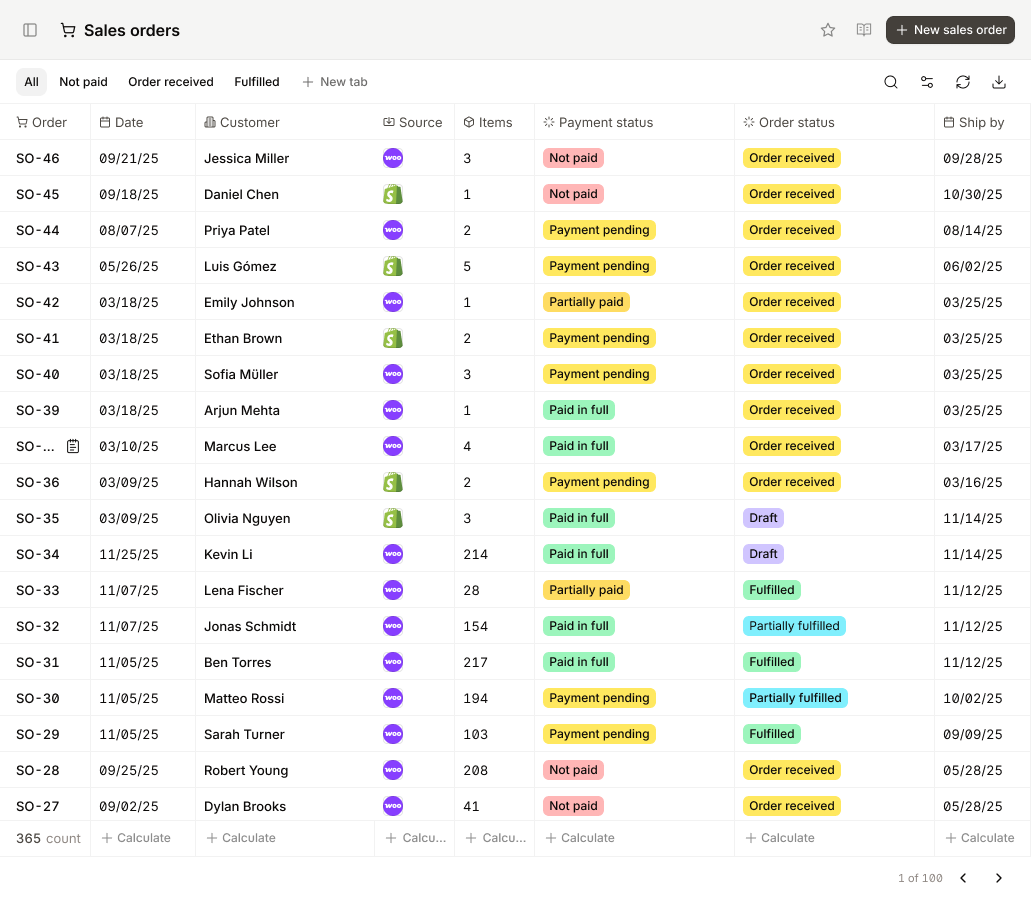
- Records live in one connected system instead of across binders, spreadsheets, and whiteboards, so when an auditor asks for something, it's a search instead of a scavenger hunt.
Warehouse and inventory controls matter here too, not just for logistics. See how warehouse management supports food distribution and how food traceability software compares for more on the systems side of this.
Frequently Asked Questions
Here are the most frequently asked questions about GMPs
What are GMPs in the food industry?
Good Manufacturing Practices are the baseline sanitation, hygiene, facility, and process requirements a food facility must follow to produce safe food, codified in the U.S. under FDA 21 CFR Part 117.
What does cGMP mean in food manufacturing?
"Current" Good Manufacturing Practice, the standard that GMP requirements evolve with current technology and industry practice, rather than staying fixed to older methods.
What is FDA 21 CFR Part 117? The FSMA-era regulation that establishes cGMPs (Subpart B) and Hazard Analysis and Risk-Based Preventive Controls, or HARPC (Subpart C), for covered human food facilities.
What is the difference between GMP and HACCP?
GMPs are general facility- and process-wide requirements, sanitation, hygiene, maintenance. HACCP is a hazard-specific program that identifies critical control points for particular risks in a particular process.
What software helps with food GMP compliance?
Connected manufacturing and traceability platforms, like Digit's food traceability software, that generate batch, lot, and sanitation records directly from production activity rather than relying on manual, after-the-fact paperwork.
GMPs aren't something you finish writing. A plant either practices discipline every shift or it doesn't, and the record trail is the only evidence either way, for an auditor, or for yourself.
Want to see for yourself? Book a call, and we’d be more than happy to take you through Digit and how it can help you stay compliant with traceability and set good manufacturing practices in the food manufacturing industry.



.jpg)