

Plan, buy, and track materials with total visibility. Everything from procurement to inventory is connected, so your team always knows what to order, when to order it, and where to place it with Digit.



















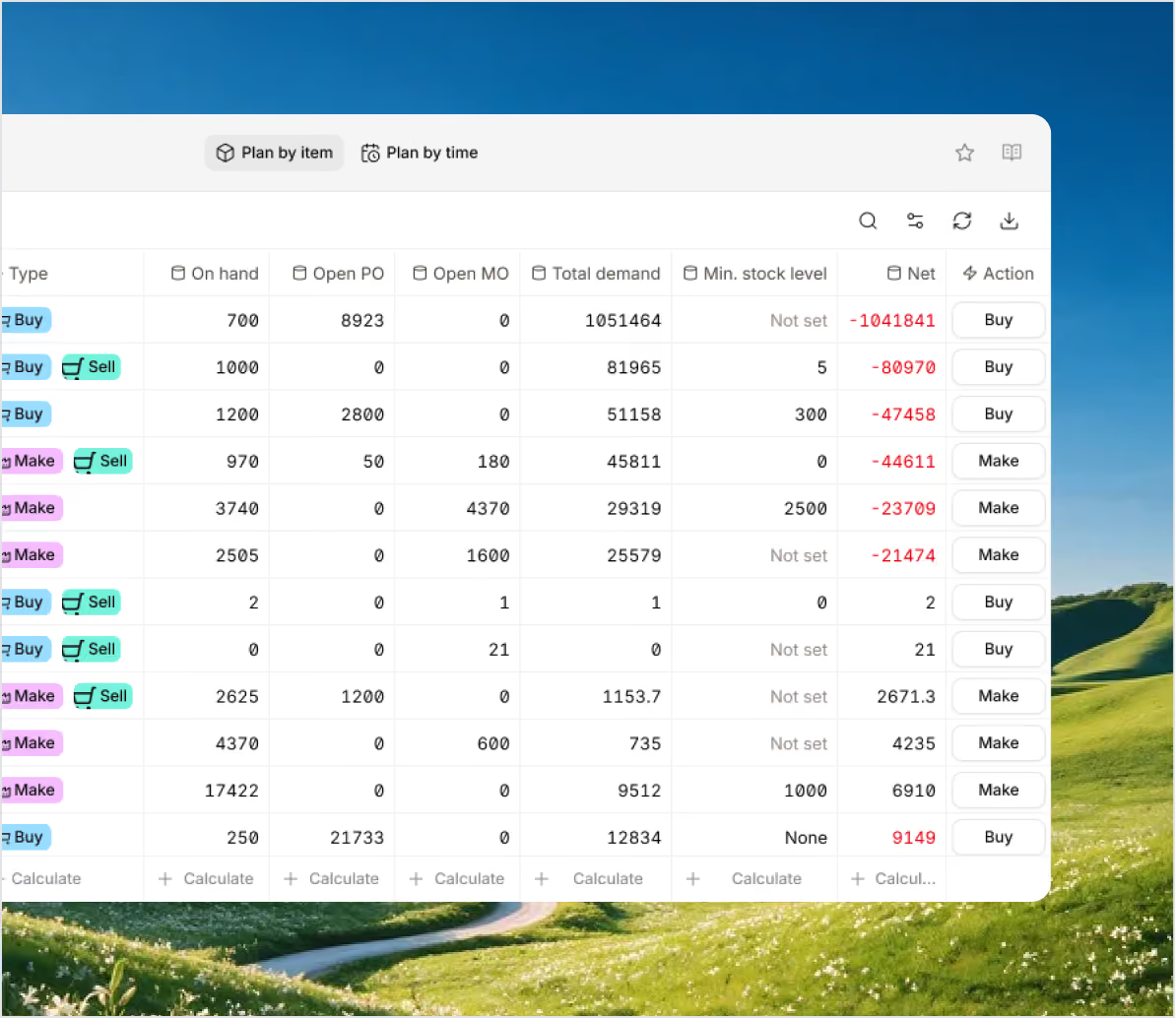
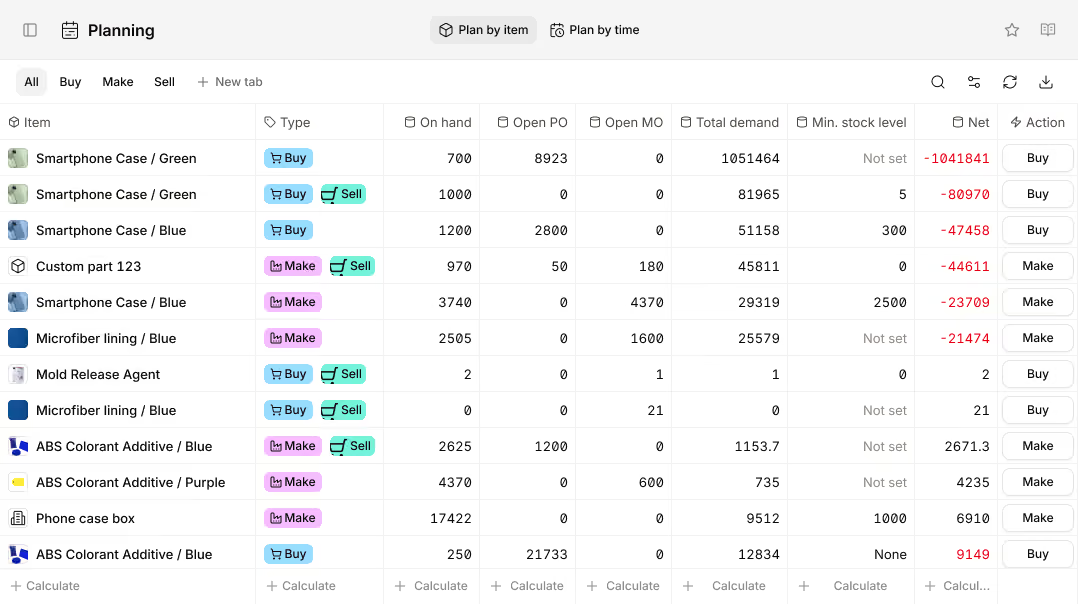
See what materials you need and when, so you can stock up before you run low. Digit uses sales forecasts, inventory levels, and production schedules to help you avoid shortages.

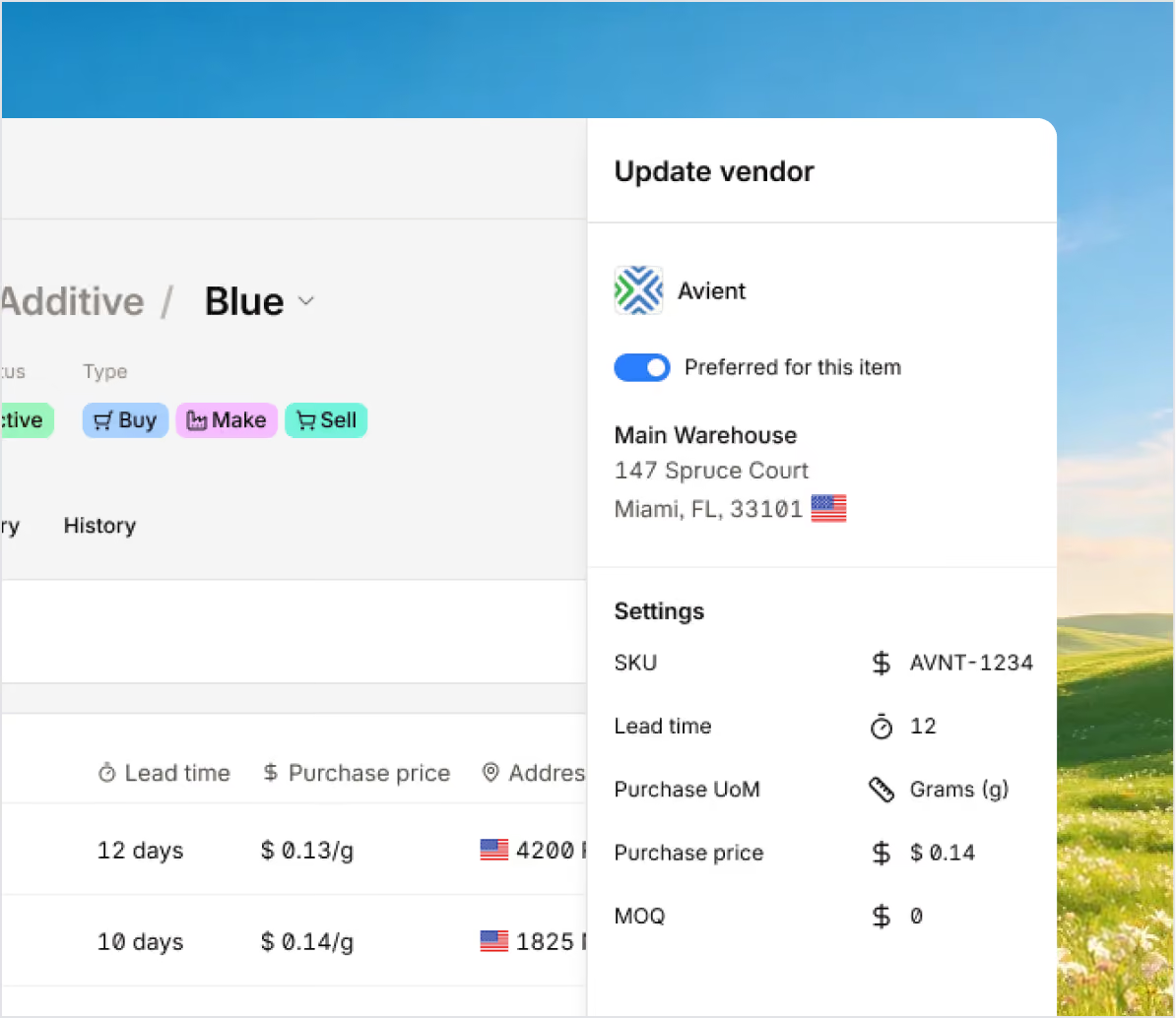
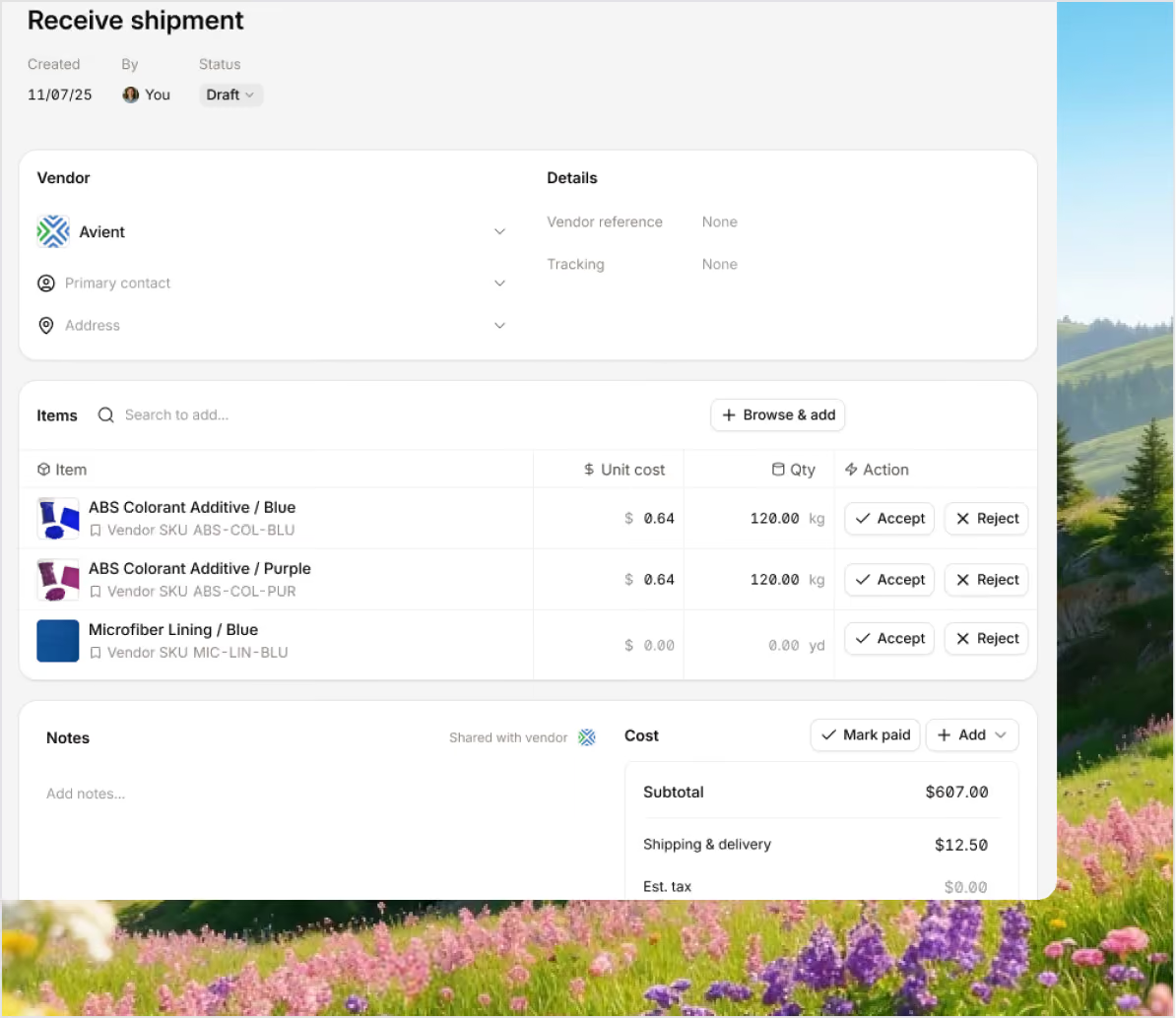
Create and manage POs quickly while capturing vendor-specific details. Work with several vendors, set up location-based options, and convert SKUs to your main stock units.
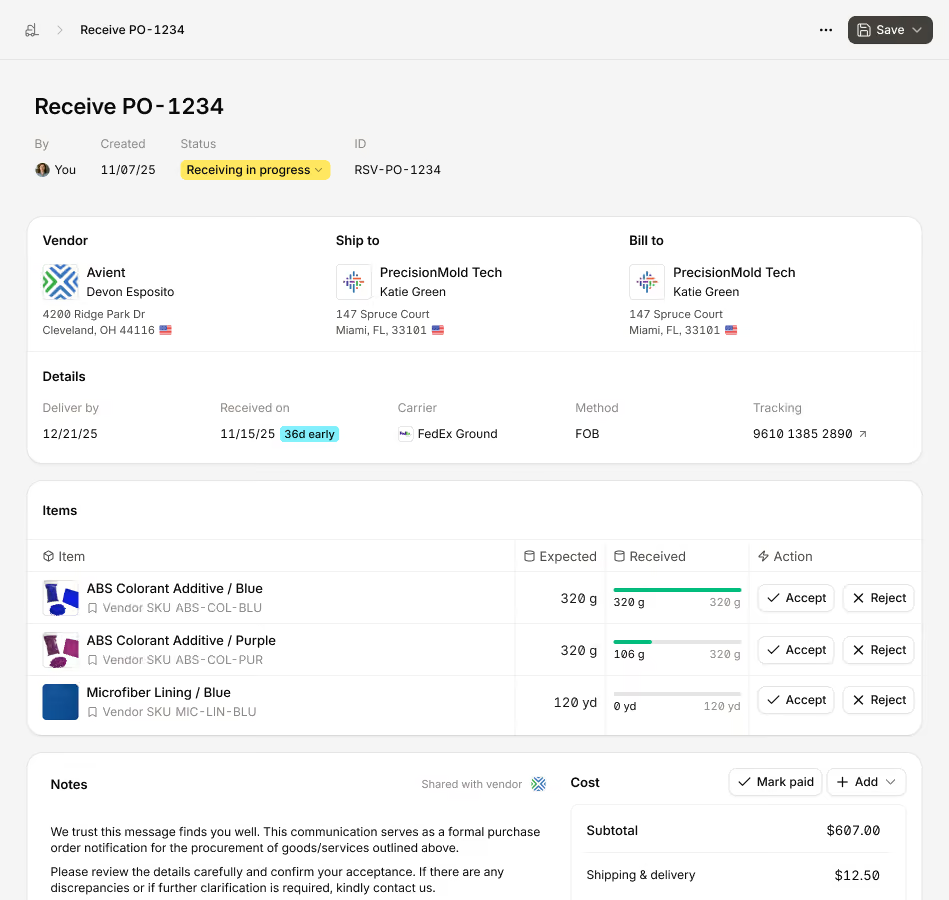
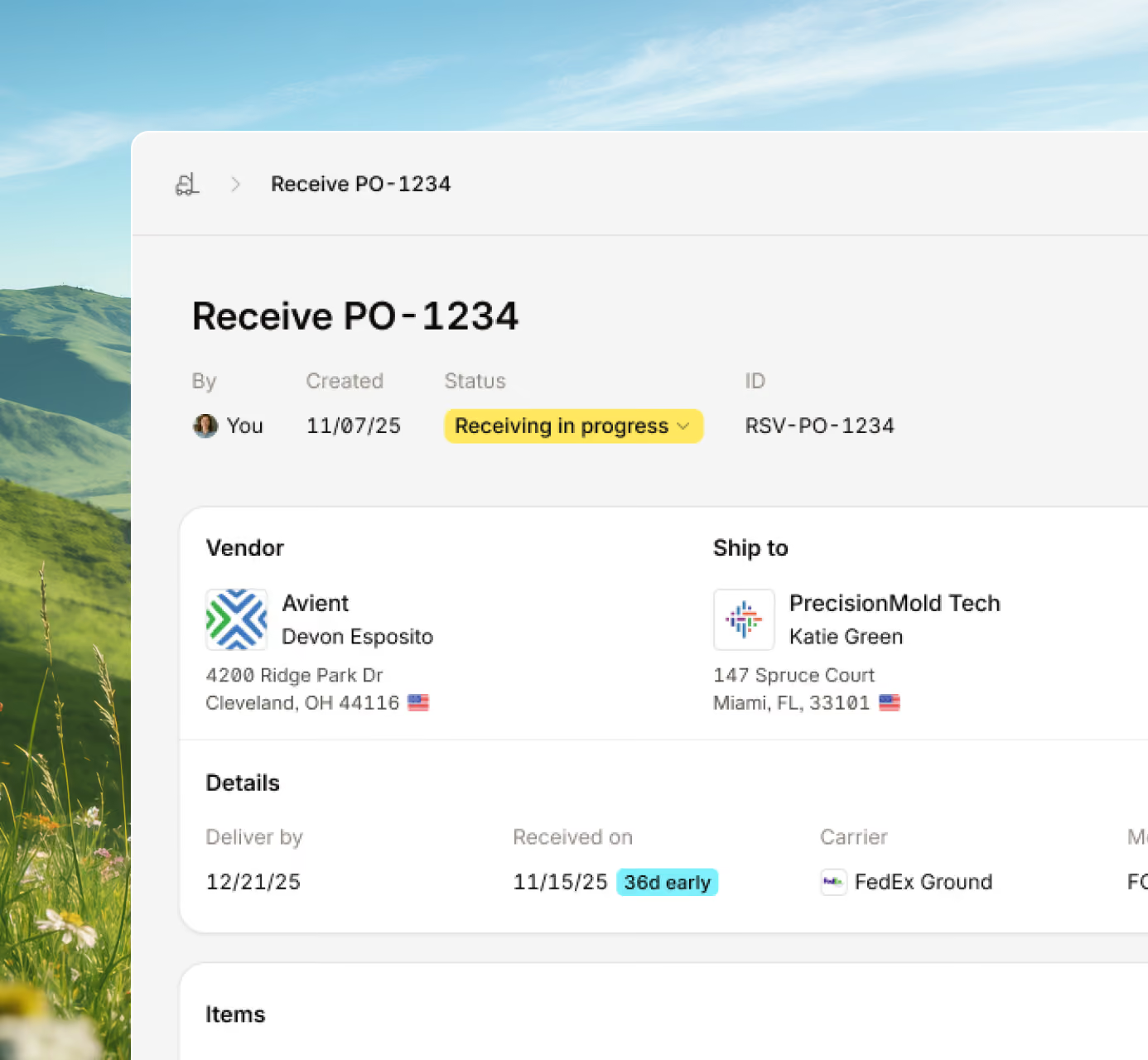
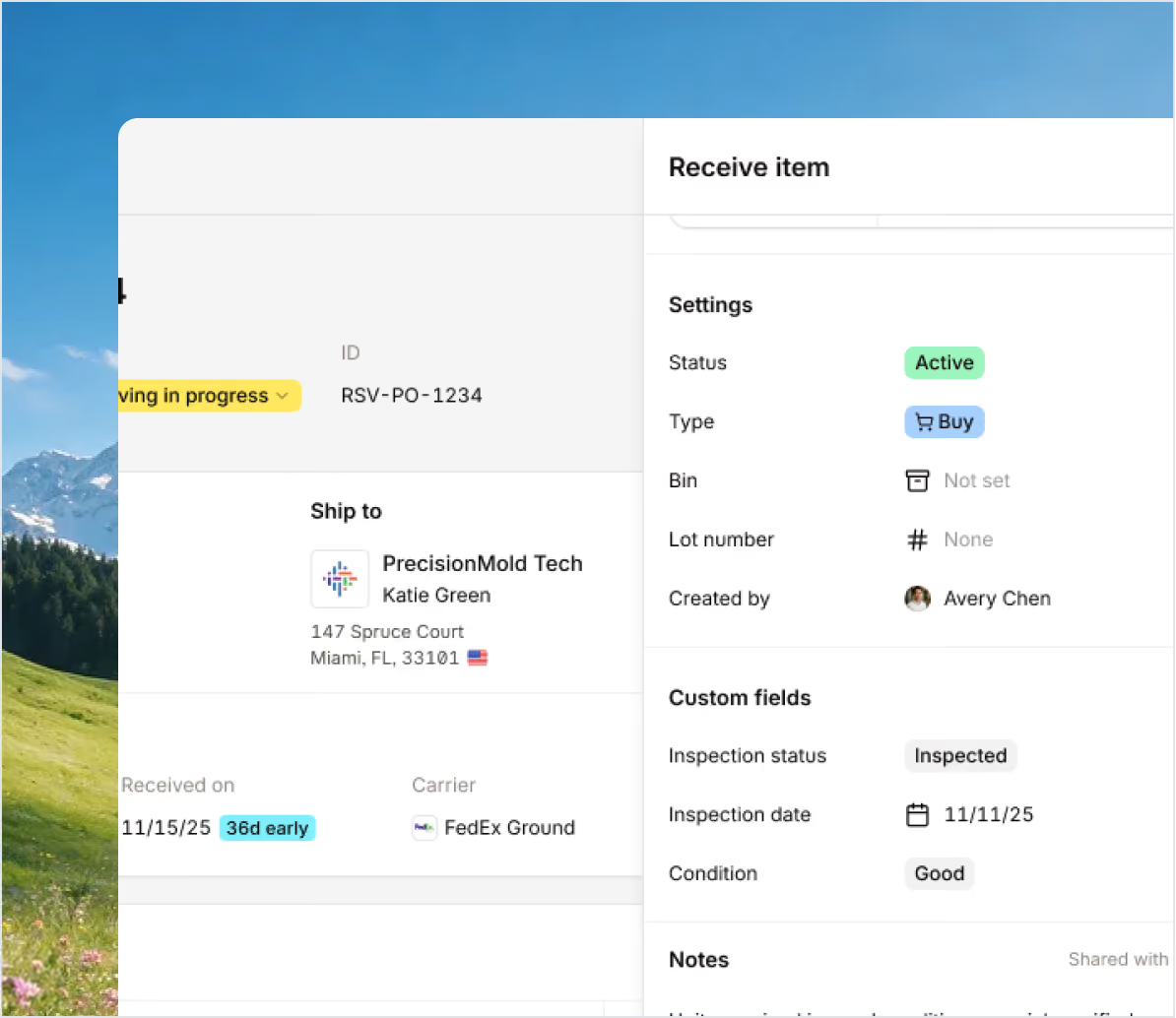
You can receive items at your warehouse or contract manufacturer, whether the shipment is complete or partial. Keep track of every batch, lot, and expiration date.
Digit makes it easy to buy materials, from formal POs to quick in-store purchases. No matter how you order, your data stays consistent and traceable.
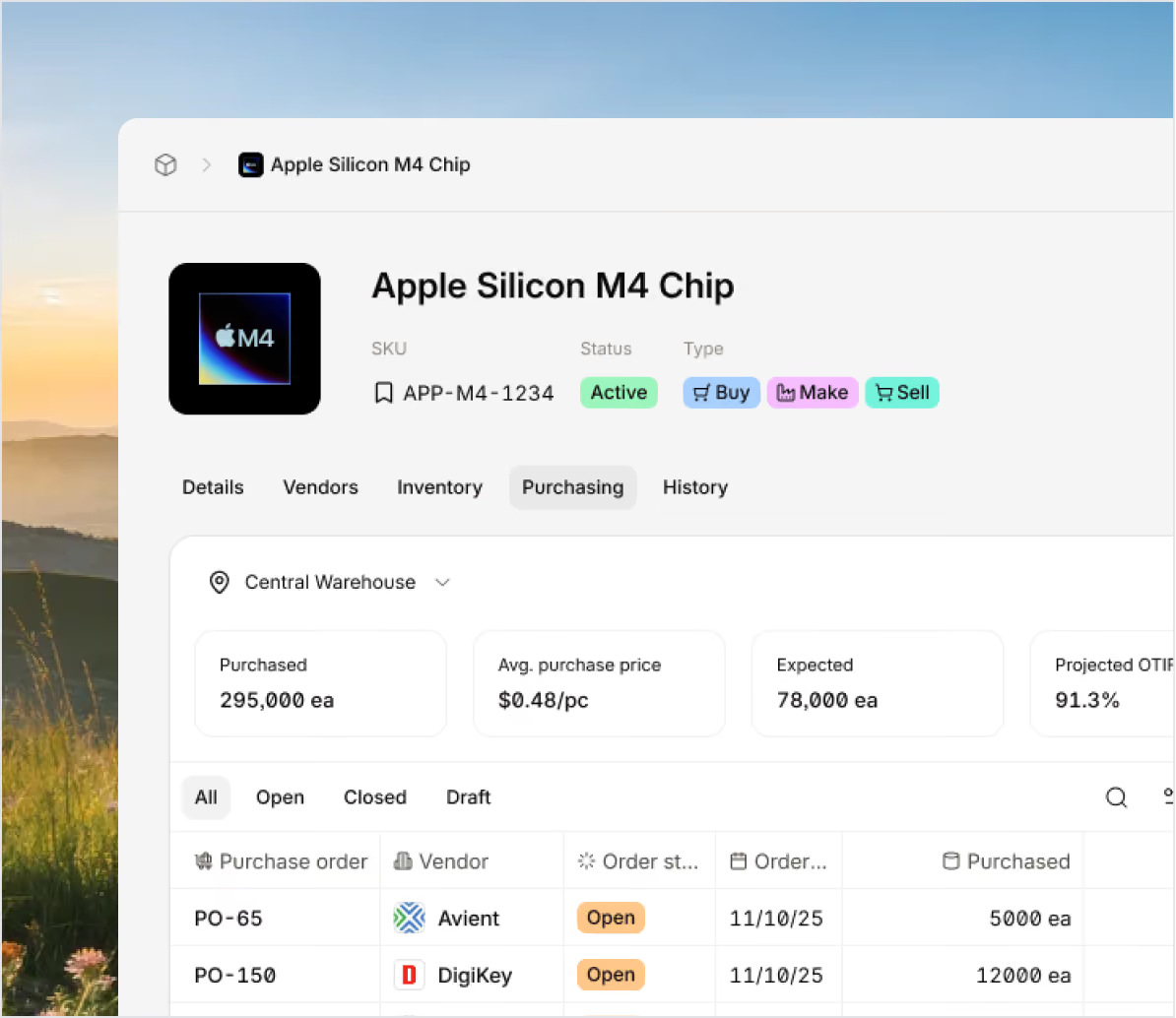
Digit tracks purchasing and supplier history, recording supplier performance, lead times, and cost trends. This information helps you monitor reliability and identify areas to reduce waste.
Connect procurement and accounting by syncing Digit with QuickBooks Online and other accounting tools. Automatically update vendor, item, and cost data across your tools.
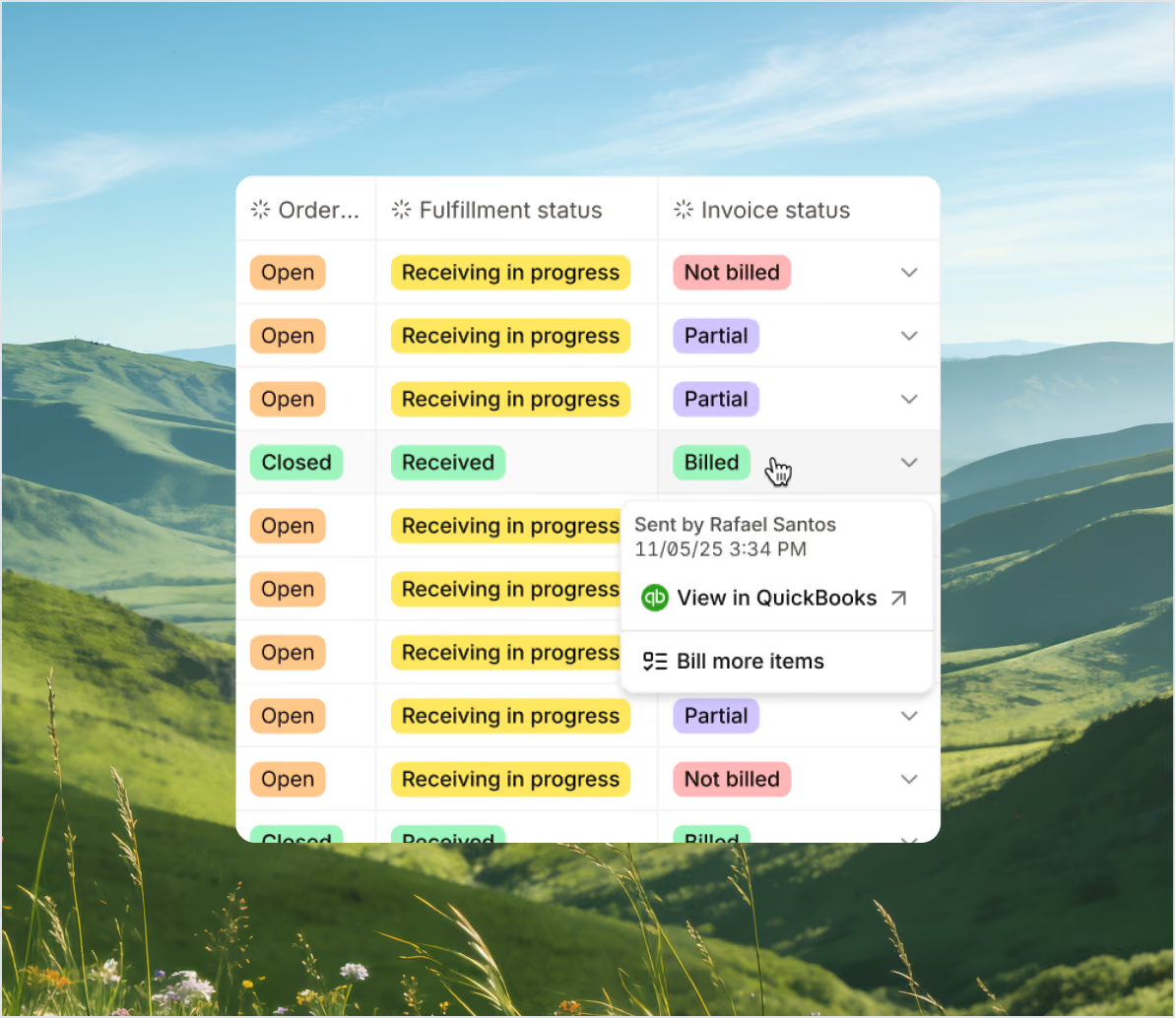
Bring every sales channel and accounting tool together in one system with seamless syncing and flexible API access.





Bring your inventory, accounting, and production together in stock management software built for manufacturers. Keep every part of your business connected, accurate, and easy to track.


100+ manufacturers and distributors have replaced spreadsheets and legacy ERPs with Digit.
If I can capture two seconds across 19 machines across a 24-hour span, I'll save the customer thousands of dollars.
Chris Johnson


“The impact Digit has had has been enormous, saving a lot of time, capturing a lot of data, streamlining a lot of processes, with a system that everyone loves to use.”
Tanner Thomas

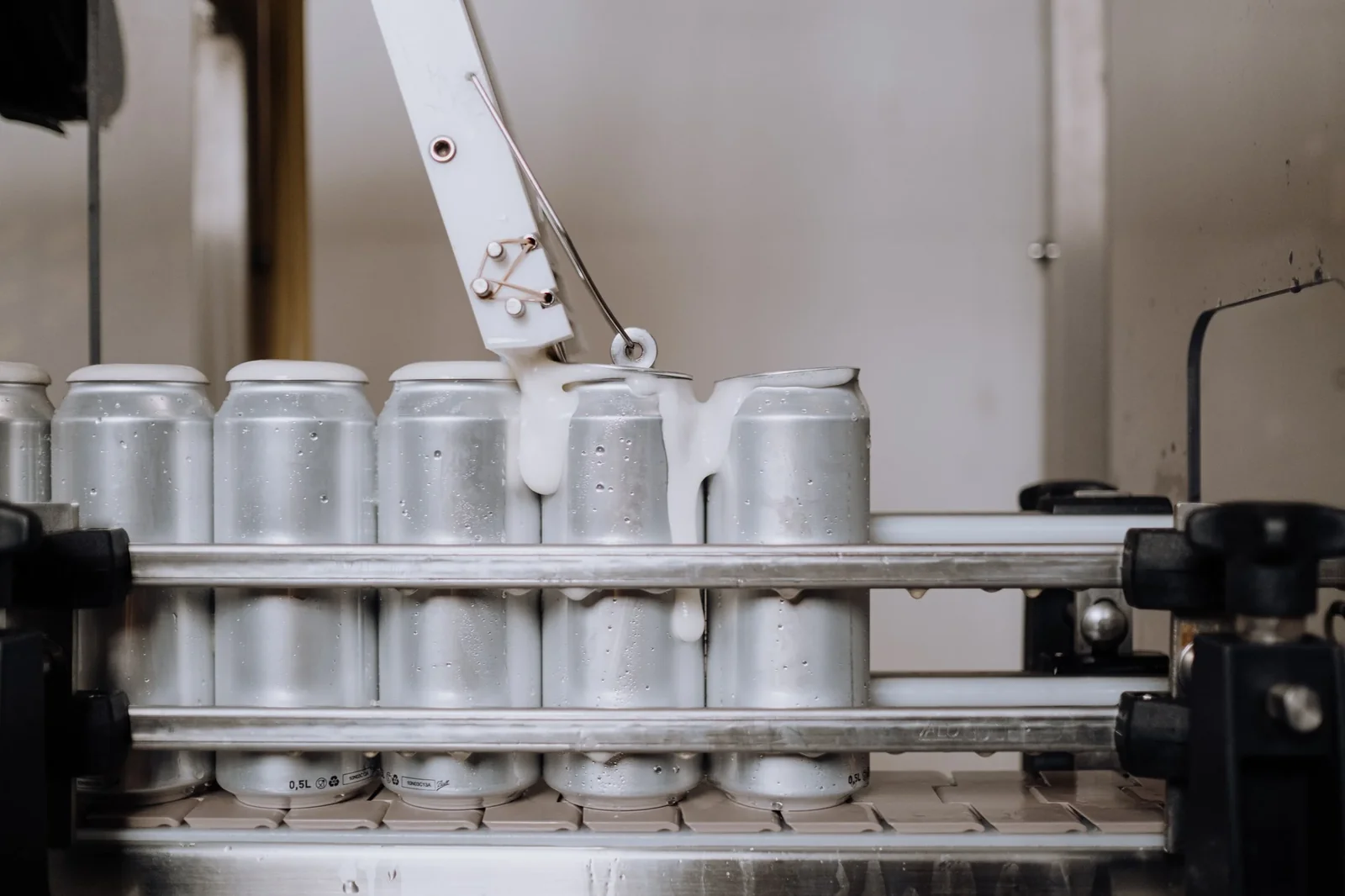
“Digit has given us the insight into current and upcoming stock on our ingredients and raw materials needed for production. This allows us to procure more before we stock out and to be confident that we have enough to finish any upcoming production run.”
Adam Davis
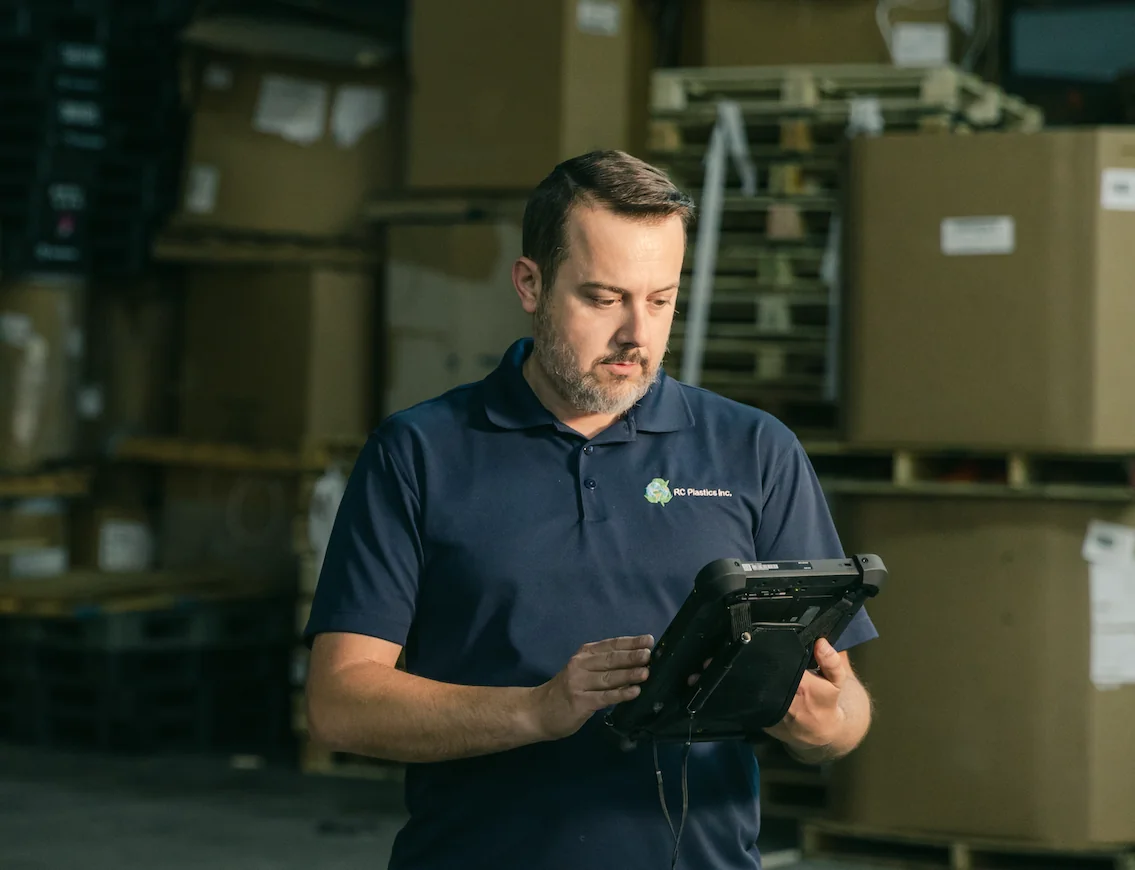
"Digit is the most adaptable, user-friendly software we have ever used."
Joe Watkins
%2520(1).webp)
"With Digit, everything from our inventory to our production data is the word of truth. I can trust it. I can rely on it."
Joshua Burris


Your most frequently asked questions, all in one place. If you don’t see what you need, reach out to us.
PO management software can work together with accounting systems.
For example, Digit integrates with QuickBooks Online and similar programs, so your vendors, items, and costs update automatically. You can convert a purchase order into a bill with a single click, keeping your inventory and expenses up to date. If anything changes in purchasing or receiving, the accounting records adjust immediately.
This helps save time, reduce errors, and keep everything related to purchasing, inventory, and finances in one place.
Purchase order software streamlines procurement by accelerating the buying process and improving tracking.
It automates tasks such as creating, approving, and sending orders, reducing errors and saving time. Teams get a clear view of all orders, spending, and delivery updates in one place. The software also sticks to company policies and keeps digital records ready for audits. With this kind of visibility and control, businesses can keep costs in check, reduce mistakes, and work more efficiently with suppliers.
Purchase order software makes it easier to plan and buy the materials you need.
It tells you what to order by looking at your stock, sales, and production plans. You can create and send purchase orders, then track deliveries all in one place. When items arrive, your inventory updates automatically, and you can see when to expect future deliveries. This way, your team can avoid shortages, reduce delays, and keep everything moving.
The buyer issues a purchase order before any goods are delivered. It shows what they want to buy, how many, and the price.
After the goods or services are delivered, the seller sends an invoice. The invoice requests payment and lists the items delivered, the total cost, and the due date.
Procurement software streamlines the buying process and helps teams stay on top of every order.
With everything in one place, it’s easier to create, approve, and track purchases, reducing errors and avoiding unnecessary spending. Purchase order management software keeps a clear record of what’s been ordered, what’s arrived, and what’s still outstanding. This organization not only saves time but also makes audits and budgeting simpler. When businesses have a handle on their orders, they can work more efficiently, manage costs better, and strengthen their supplier relationships.
