
>
>
Manufacturing ERP Software

Manufacturing ERP Software

Manage your entire business and supply chain all from one place, accessible via the cloud, with Digit.

app.digit-software.com
Digit is trusted by

If your data is siloed, you’re doomed to fail

It might be a spreadsheet or some software that’s just not cutting it for you anymore. Digit brings procurement, production, inventory, and shipping together.

What is Manufacturing ERP Software?

Manufacturing ERP software, ERP, which stands for Enterprise Resource Planning, is a tool that helps manufacturers manage all parts of their business, such as production, inventory, supply chain, sales, and finance, in one place. It connects departments, automates tasks, and provides real-time data to improve efficiency, reduce costs, and enable users to make better decisions for the business. ERPs exist in many different forms, but an ERP for manufacturing software primarily functions to help manufacturers manage their operations, create quality products, and deliver them on time.
"With Digit, everything from our inventory to our production data is the word of truth. I can trust it. I can rely on it."
Joshua Burris
Co-Owner, On Foot Innovations

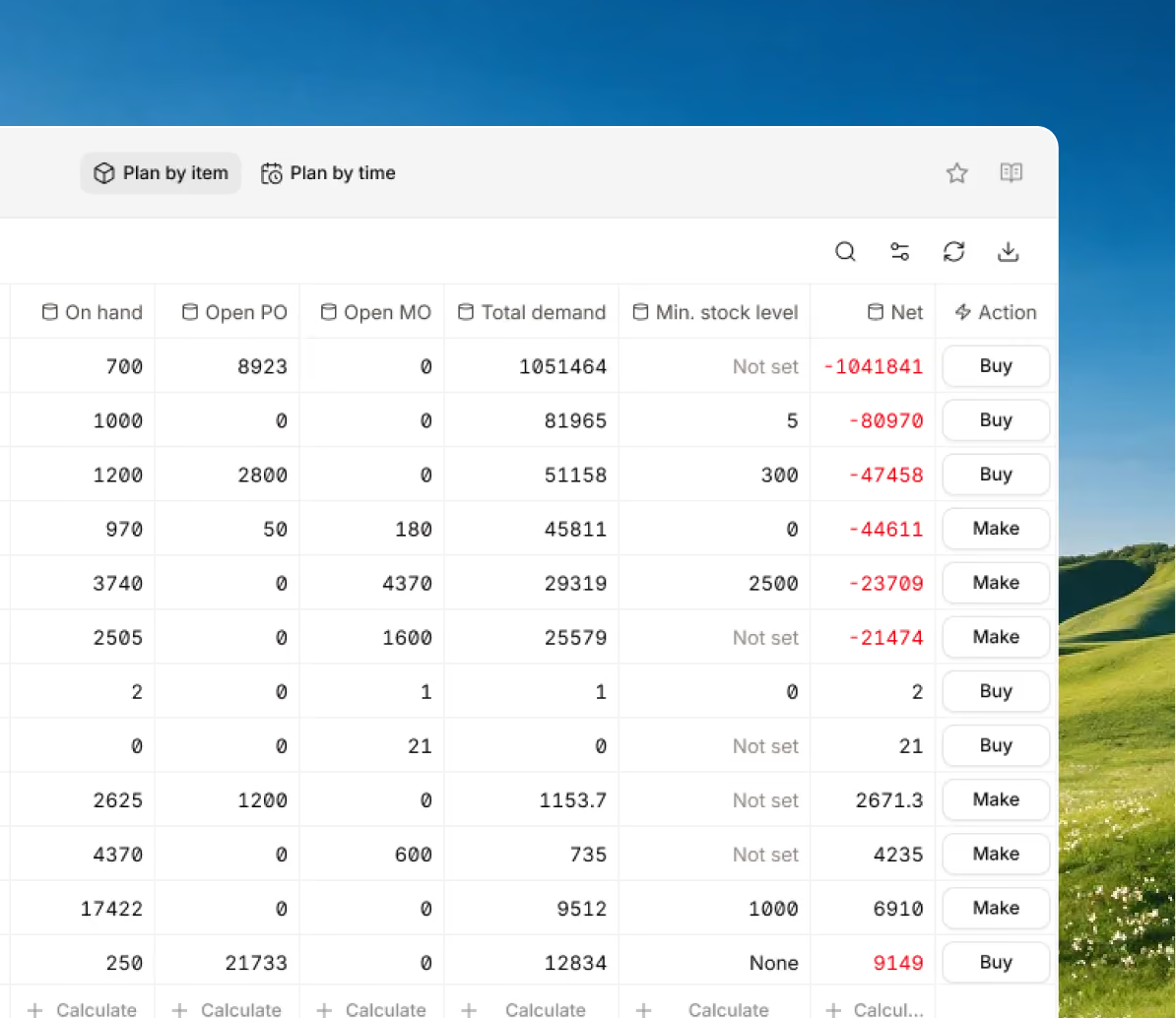
Real-time stock tracking

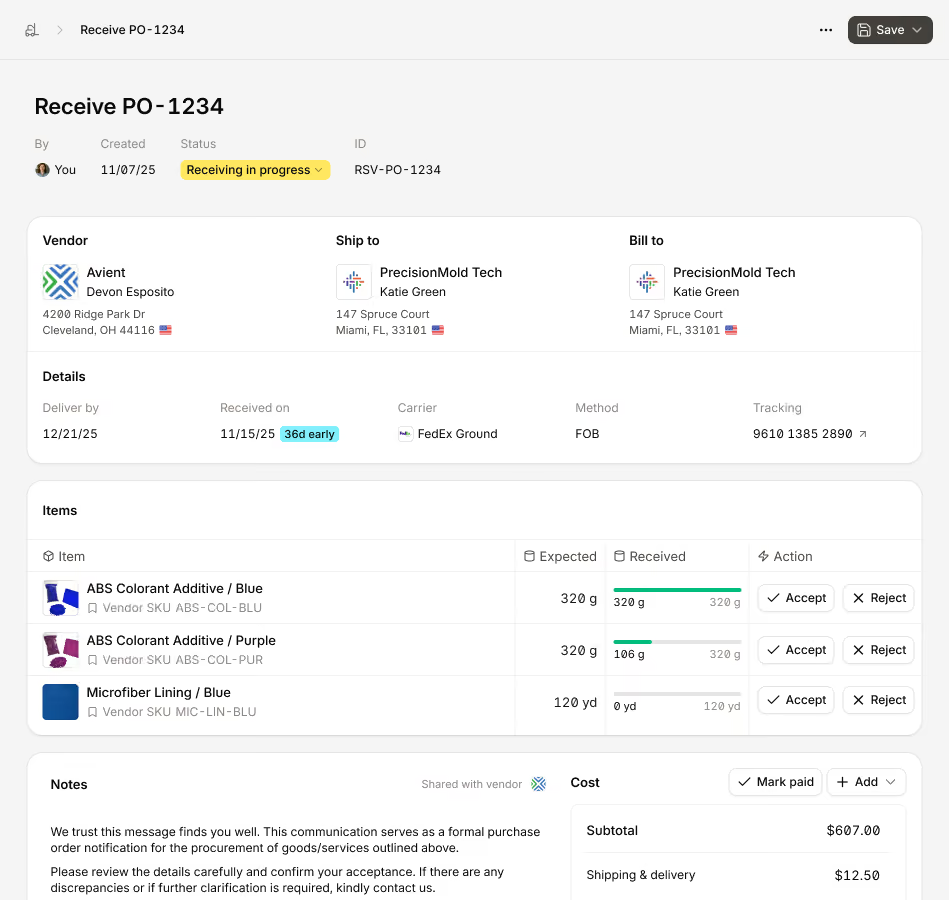
See live inventory counts the moment items are received, moved, or shipped. Keep totals accurate across sites and bins without having to manually update.

Including:

  • On-hand inventory updates automatically  
  • Multi-location and bin locations in one view
  • Nested pallets and containers you can view by scanning 
  • Lot and serial status shown with current quantity

Manufacturing and shop-floor control

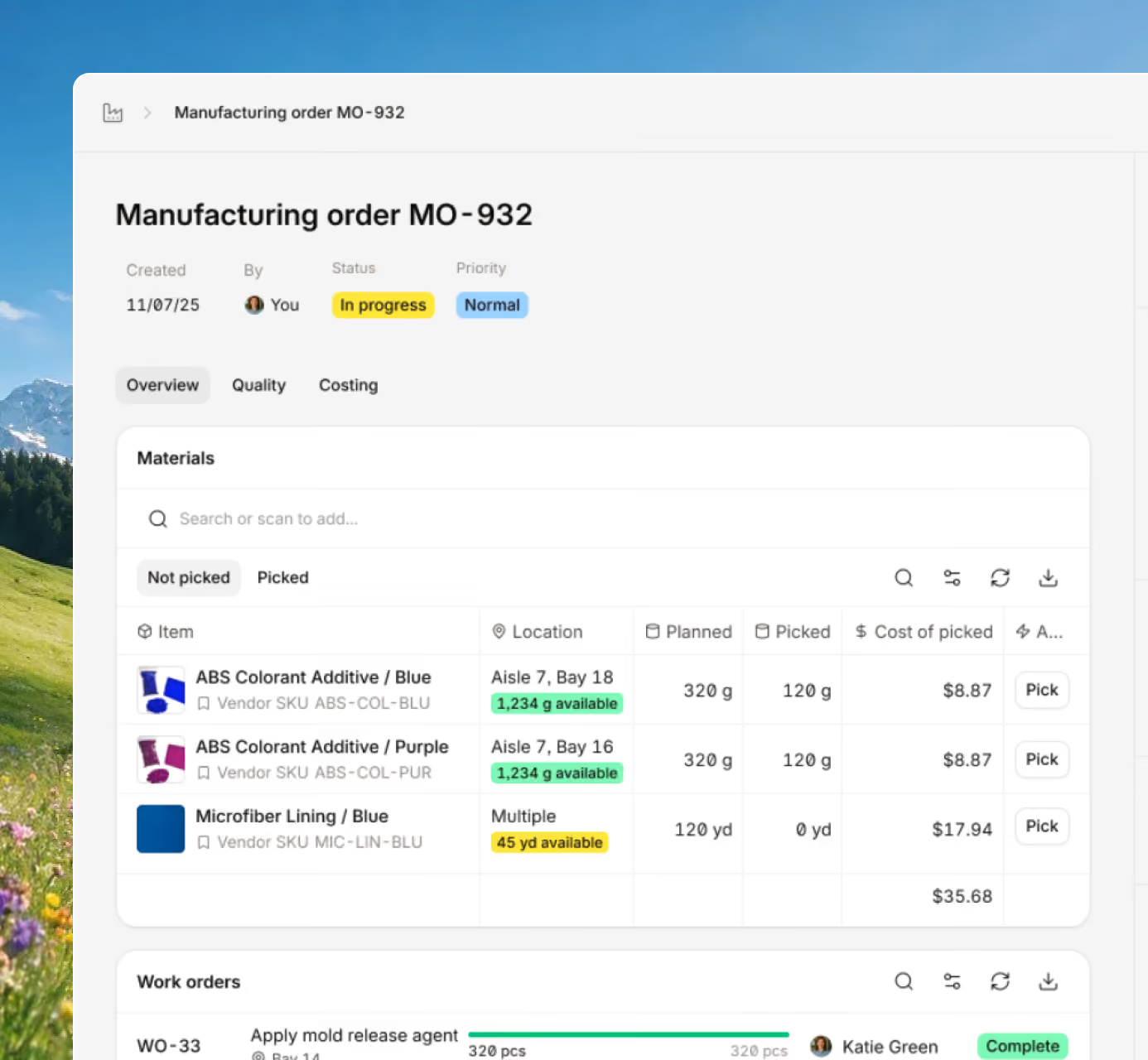
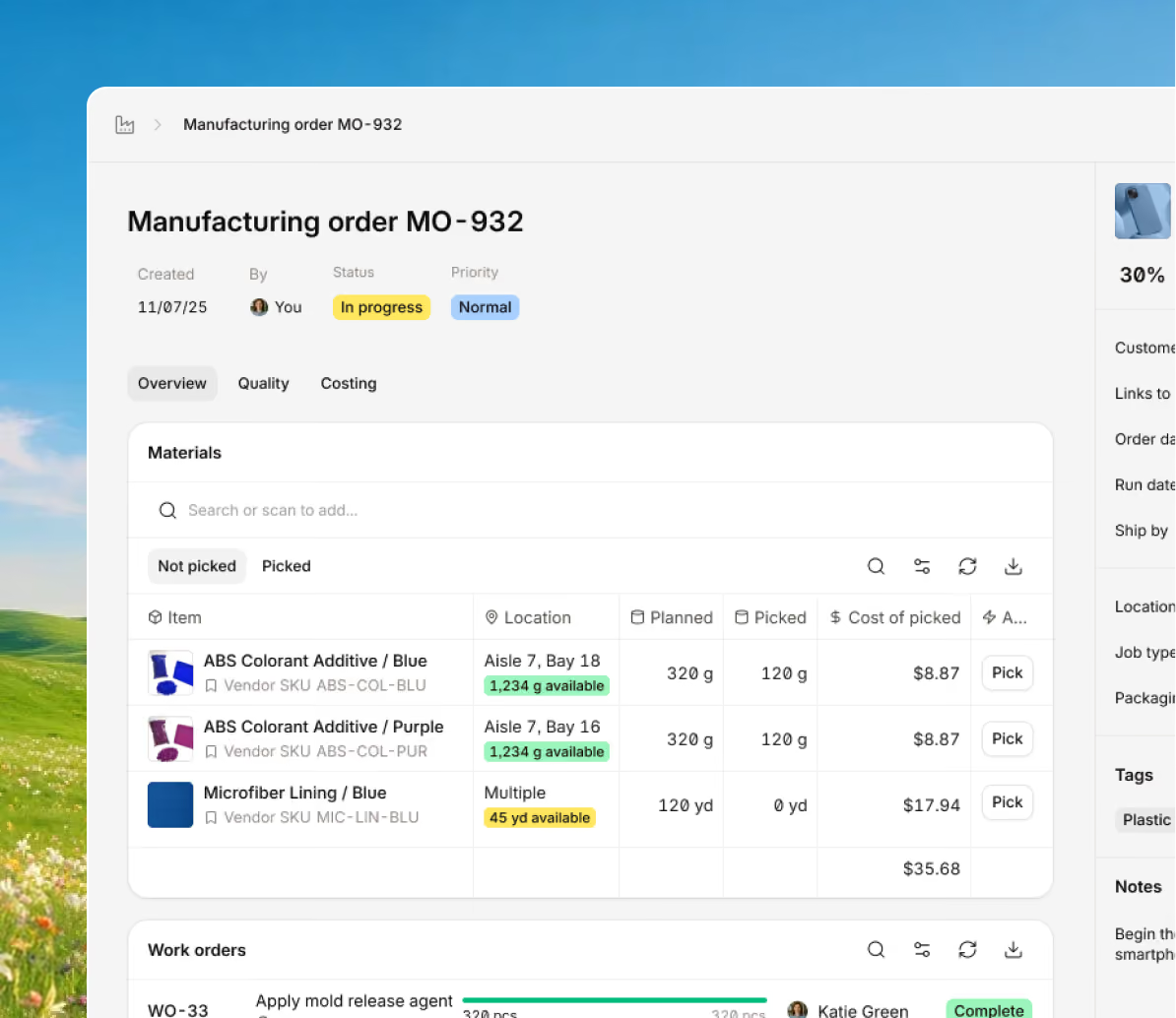
Plan, release, and track work with clear routing and deliverables. Stay on schedule with an MO calendar and built-in job scheduler. 
Including:

  • MOs with routings, work centers, and operation steps
  • Set priorities and due dates to keep work on track 
  • History tracking for items and operations 
  • Yield and time tracking for true job costing
why they chose DIGIT
Trusted by teams who can’t afford to slow down
“Digit has given us insight into current and upcoming stock. This has allowed us to procure more before we stock out.”
Adam Davis
Shipping & Receiving Manager, Upstate Beverage
“Our entire system has become much more streamlined thanks to both the software itself and the brilliant team behind it. It’s intuitive, clear, and packed with clever features that are rarely found in other ERPs.”
Ricardo Miranda
CEO & Co-founder, Attica Studios
“With Digit, everything from our inventory to our production data is the word of truth. I can trust it. I can rely on it.”
Joshua Burris
Co-Owner, On Foot Innovations
“With Digit, our speed and efficiency has most likely doubled, triple, or quadrupled. Digit has allowed us on every front to be faster, more precise, and it is allowing us to scale.”
Eliott Montgomery
Owner, No.1 Raw Materials
“Digit has been amazing. I love having all the data at my fingertips. I can pull it up on my phone, I can get it on my laptop, I can get it remotely. At any given time I know how much material I’ve got in stock and before I couldn’t do that.”
Joe Watkins
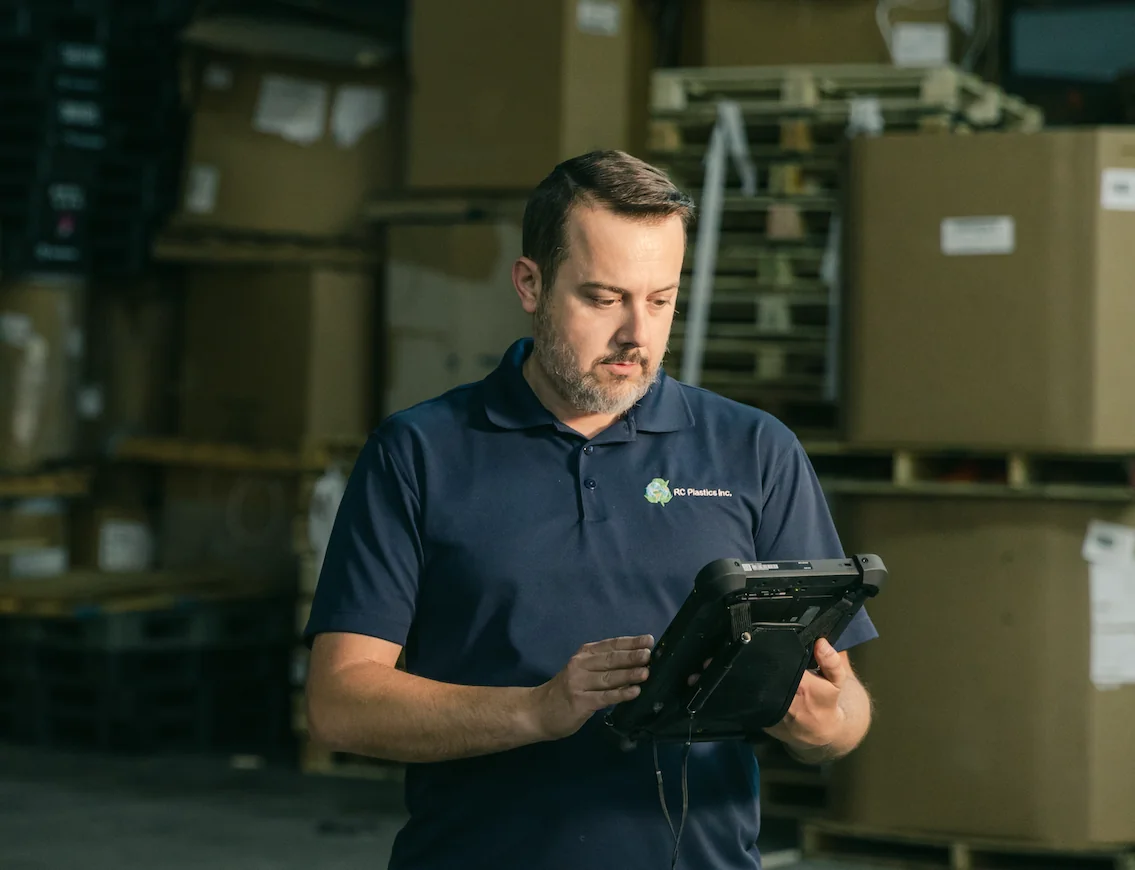
Division Owner, RC Plastics
“Digit has helped us better understand the innerworkings of our warehouse and inventory in real time. I like the attentiveness. We are a small business, so it is extremely appreciated to receive the level of dedicated care that we have received from the Digit team.”
Jackson Barnett
Sales and Strategy, ChemTick Coated Fabrics
“The impact Digit has had has been enormous, saving a lot of time, capturing a lot of data, streamlining a lot of processes; With a system that everyone loves to use.”
Tanner Thomas
Operations Manager, VersaCourt
“As a beverage company producing our own products and contract manufacturing, we needed a unified platform for assembly, sourcing, and traceability. Digit offered the best mix of usability and functionality.”
Chase Brooks
Founder, SolidLiquid
“Digit has exceeded our expectations! They've transformed how we handle our business processes, providing seamless implementation and outstanding ongoing support. The software is both powerful and easy to navigate. We couldn't be happier with our choice."
Joel Rodriguez
Director of IT, Armored Republic
“Now being able to have the insight, here’s our expected usage, here’s what I have on order, and here’s what’s in stock, and levying that against the orders we have, prevents downtime and makes our business run smoother."
Ben Jones
Co-Owner, On Foot Innovations
"Digit is easy to use and clean. The API is open which is a huge sell and the team is very responsive. It is reasonable cost in time and cash to implement unlike other ERPs/MRPs we have considered."
Nathan Whitehouse
CEO, Drayhorse
"Having accurate real-time information let’s us know exactly what to ship, when to ship, without the headaches of having to go through all these Excel spreadsheets."
Dale Jackson
Shipping Manager, VersaCourt
"There comes a moment where an organization outgrows the capabilities of Excel. We were at that point. It was a band-aid and Digit came in and provided us a real solution to move forward and grow with."
Adam Bolin
VP Distribution & Fulfillment, VersaCourt
Chevron right iconChevron right icon

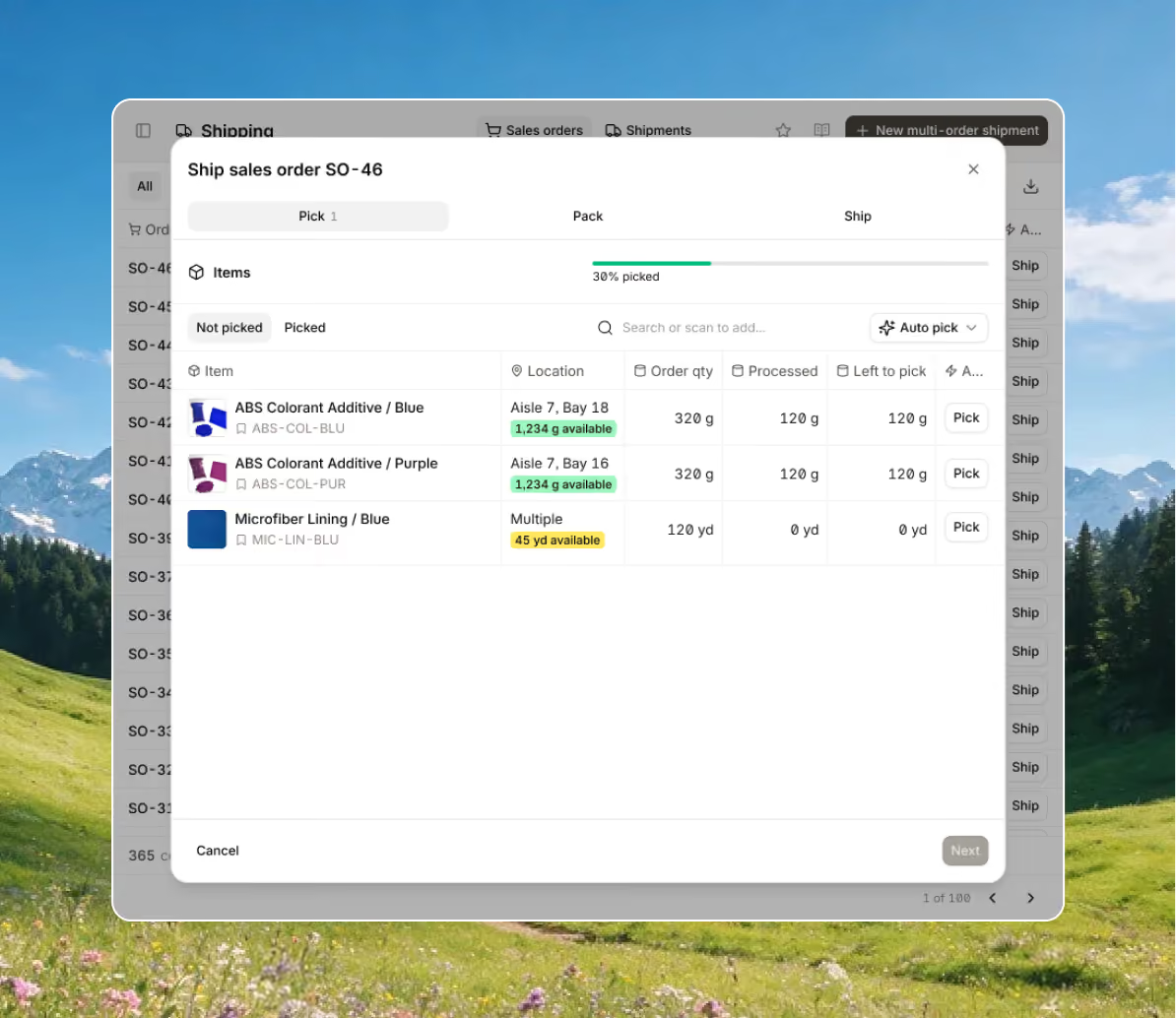
Picking and pack validation

Create pick lists, confirm each item at pack, and ship with correct documentation so nothing gets missed. Orders go out right the first time.
Including:

  • Wave, batch, or bin-sequence pick lists
  • You barcodes to scan and pick items 
  • Pack validation before printing labels 
  • Create packing slips and Bills of Lading 

Barcode scanning and configurable labels

Cut errors with scanning and print the highly customizable labels you need, place them on items or bin locations to turn your inventory tracking into point-and-click. 
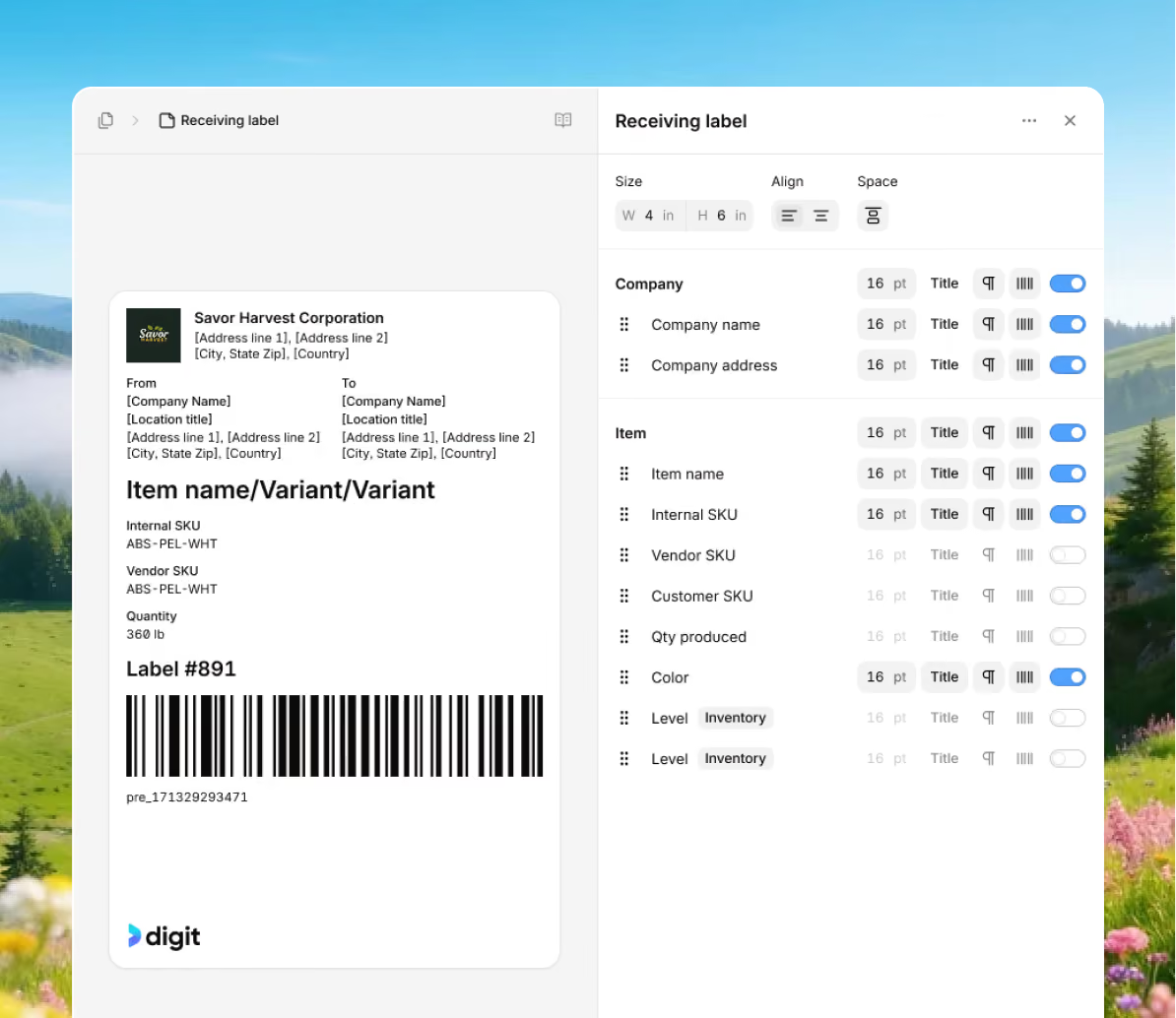
Including:

  • Scan at bins to adjust and transfer items 
  • Custom and serialized label templates
  • Built-in barcode generation for SKUs, lots, pallets
  • Attach SOPs, certs, and photos to orders and items

Demand and supply planning

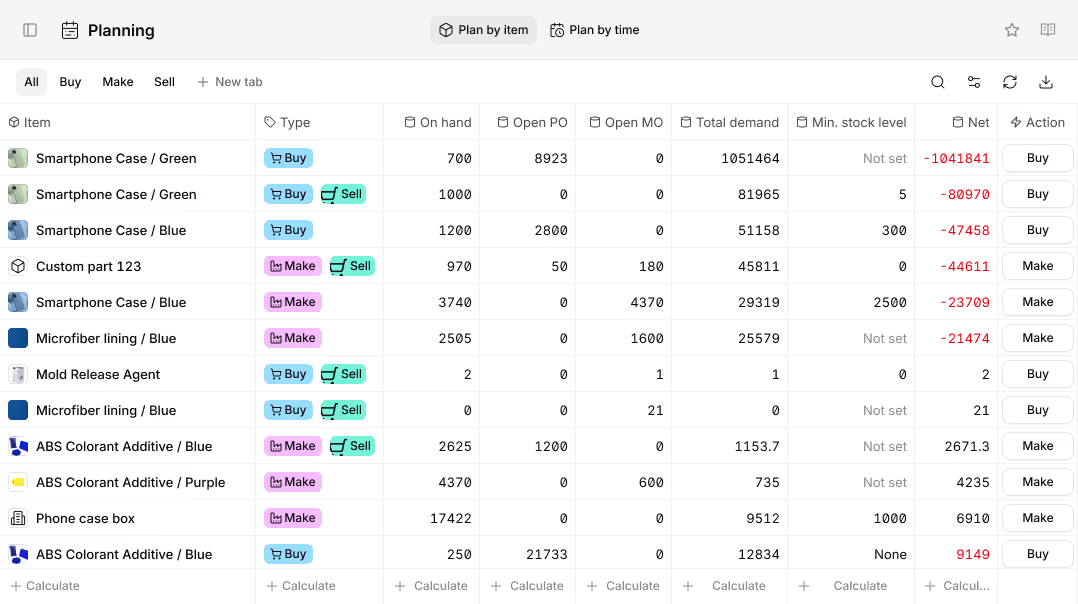
See what you need and when. Align purchasing, manufacturing, and inventory level to meet demand without overstocking or production stopping stockouts.  
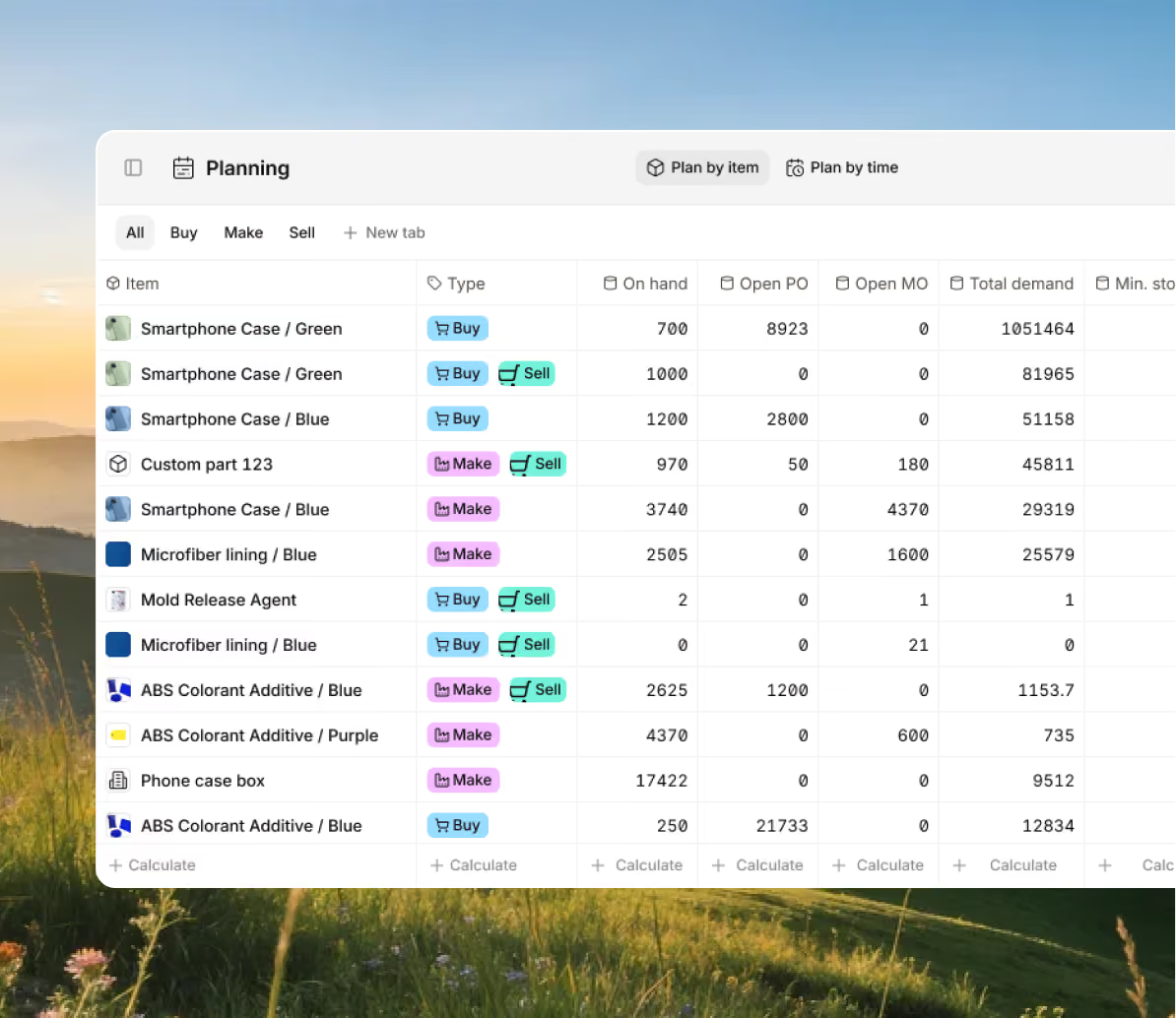
Including:

  • Unified view of demand, supply, and on-hand across sites
  • Safety stock and reorder points to balance inventory levels
  • Suggested POs and MOs from live data
  • Schedule alignment with capacity and lead times

Multi-level Bills of Materials

Build complex products with accurate, controlled BOMs that keep costs and versions in check.
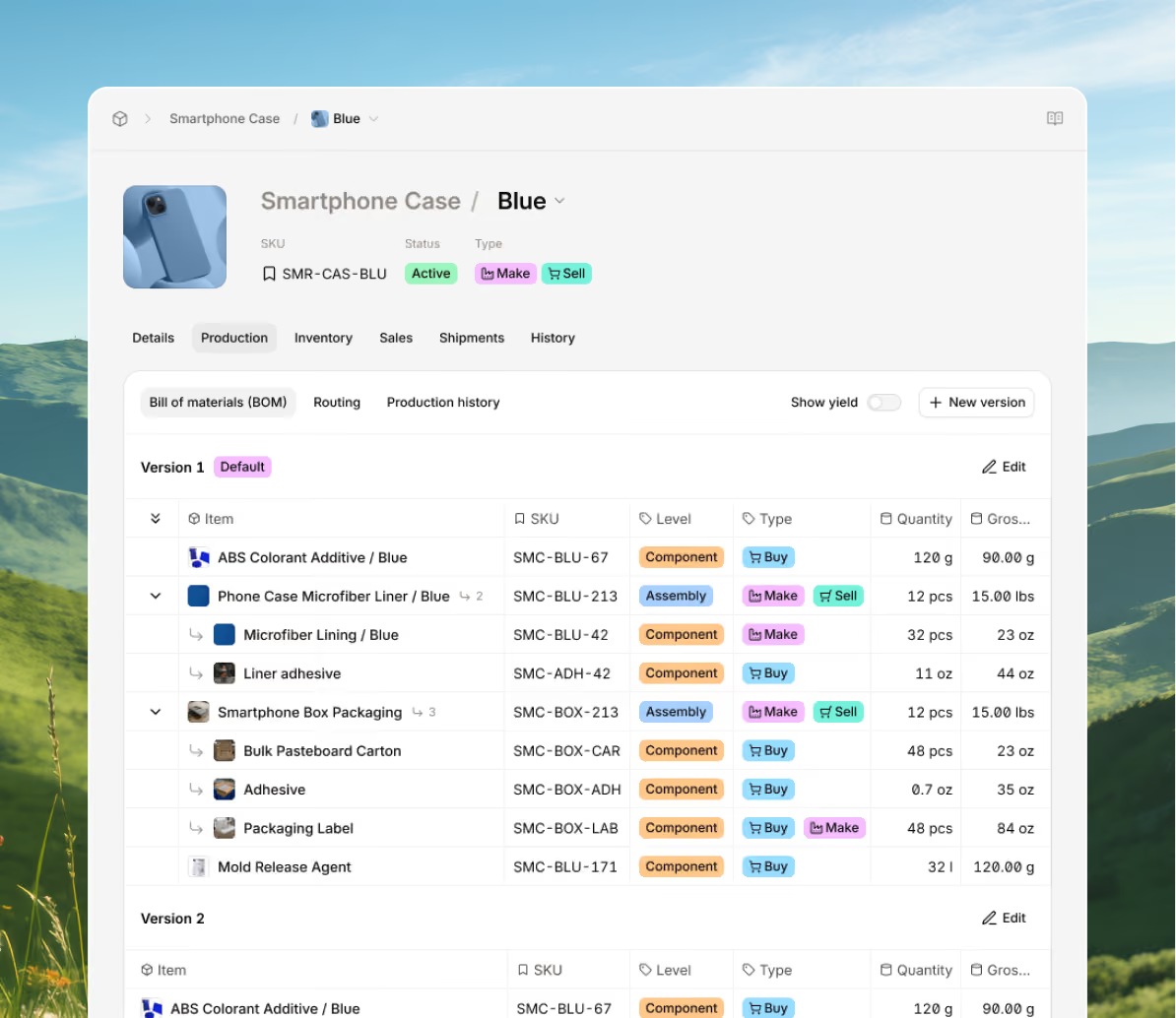
Including:

  • Nested and alternate BOMs with revisions
  • Yield and scrap factors to help monitor wastage
  • Cost roll-ups linked to items and operations
  • Auto UoM conversions for supplies and production

Integration

A single source of truth for your business

Bring every sales channel and accounting tool together in one system with seamless syncing and flexible API access.

Real people. Real products. Real results.

Chevron right iconChevron right icon
frequently asked questions
We built Digit to make complex operations simple—and that includes our answers. Here’s everything you should know before getting started.
How does ERP improve manufacturing efficiency?
Chevron down icon

ERP software improves manufacturing efficiency by connecting people, processes, and data in one system. 

It gives managers and shop floor workers the tools to manage production, materials, and costs more accurately while reducing repetitive work and communication gaps. However, it goes beyond the production lines, by helping to unite other departments on a shared, real-time platform, ERP eliminates the need for manual entry and separate tools. 

Automation plays a major role in improving efficiency within your manufacturing. 

Tasks such as monitoring and updating stock movements, creating purchase orders, and updating schedules can easily be automated with an ERP, saving time, reducing errors, and allowing staff to focus on higher-value work. A single source of truth means teams from any department can access the same information, making approvals faster and coordination easier.

Most ERPs also come with advanced planning and scheduling features. 

Features that allow manufacturers to see available materials, active jobs, and machine capacity in real time. The system automatically adjusts when new orders arrive or stock levels change, keeping production balanced and avoiding costly delays. Linking sales forecasts to production capacity improves planning accuracy and prevents shortages.

You can also benefit by getting better insights into your inventory and supply chain, as a manufacturing ERP system tracks every material movement, from receiving to shipping, and updates stock levels in real time, helping to maintain the right balance between supply and demand while avoiding waste or overstocking.

What are the key features of manufacturing ERP?
Chevron down icon

The three key features to look for in manufacturing ERP software are production planning, inventory control, and cost tracking. But almost all solutions go beyond just those three, and to find the right for yourself, here are a bunch of other things that the best ERP for manufacturing will contain:

  • Real-time stock tracking: Updates inventory levels automatically whenever materials are received, moved, or used in production. This ensures your stock counts stay accurate across all warehouses, bins, and containers, helping prevent shortages and overstocking.
  • Manufacturing and shop-floor control: Helps plan and monitor work orders from start to finish. You can schedule jobs, set priorities, and assign tasks to specific work centers. By tracking yields, labor hours, and material usage, manufacturers can calculate true job costs and keep production on schedule.
  • Picking and pack validation: Guides workers through the picking and packing process to ensure accuracy. Employees can generate pick lists, scan barcodes to confirm items, and create packing slips or Bills of Lading automatically. 
  • Barcode scanning and configurable labels: Scan bins, pallets, and barcodes on SKUs to adjust inventory. The ability to design and print custom or serialized labels helps maintain complete traceability. With built-in barcode generation, you can label materials, batches, and finished goods.
  • Demand and supply planning: Connect purchasing, inventory, and sales data to forecast demand. You can set reorder points, safety stock levels, and lead times to align supply with production needs. 
  • Multi-level BOMs: Manage complex product structures with nested and alternate BOMs. Each BOM can include costs, yield rates, and scrap factors to improve accuracy.
  • Material availability checks: Verify that all necessary items are in stock. This prevents mid-run stoppages and helps teams plan around potential shortages.
  • Lead-time planning: By combining supplier data with production schedules, manufacturers can plan purchases and manufacturing runs that align perfectly with lead times, reducing waiting periods and excess inventory. 
  • Safety stock control: The software allows users to define minimum stock levels for materials. Automatic alerts help avoid disruptions caused by low inventory or delayed deliveries. 
  • Demand-based purchasing: ERP systems for manufacturing can automatically generate purchase orders from current sales and production forecasts. This ensures materials arrive just in time for manufacturing while reducing carrying costs. 

Integrated cost tracking: Manufacturing ERP software provides full visibility into material, labor, and overhead expenses. Real-time cost tracking helps managers evaluate profitability, adjust pricing, and plan future budgets more accurately.

What industries benefit from manufacturing ERP?
Chevron down icon

A manufacturing ERP system supports a wide range of industries that rely on efficient production, accurate inventory control, and, most importantly, compliance with regulations. 

  • Cosmetics: Meet safety and compliance standards with the tools to track ingredients, batches, and the readiness to perform a recall in a worst case scenario.
  • Food and Beverage: Manages recipes, expiration dates, and traceability to reduce waste and maintain consistent quality.
  • Plastics: Helps use materials wisely, plan machine work better, and keep production running without delays or extra costs.
  • Packaging: Organizes materials, design changes, and production schedules to keep products accurate and consistent.
  • Distribution and Wholesale: Improves order accuracy, keeps track of stock in warehouses, and speeds up deliveries while saving money.
  • Automotive: Makes it easier to manage parts from many suppliers, build products on time, and work closely with partners.
  • Electronics: Keeps track of parts and materials, manages how products are built, and gives a clear view of what is happening across factories.
  • Healthcare and Pharmaceuticals: Watches over sensitive materials, checks product quality, and tracks every item from start to finish.

General Manufacturing: Connects purchasing, production, and sales to improve efficiency, cost control, and decision-making.

What is the difference between MRP and ERP?
Chevron down icon

When searching for manufacturing software, you’ve probably seen the terms MRP and ERP. 

MRP stands for Material Requirements Planning. Both systems help manufacturers organize and manage operations, but they focus on different levels of the business. 

ERP manufacturing software connects all parts of a company, including finance, HR, sales, purchasing, and manufacturing, in one centralized platform. 

This allows everyone in the company, regardless of if they work on the manufacturing side of the business or not, to access the same data, improving collaboration and decision-making across the board. It’s not just horizontal communication and understanding that improves, but managers and c-suite can monitor performance, identify problems, and plan growth using accurate insights. Nowadays cloud manufacturing ERPs are available, meaning they can be accessed anywhere and expanded with new tools as the business grows.  

MRPs on the other hand are designed and focus primarily on production. 

It helps manufacturers plan material requirements and production planning. You’d want to use an MRP if you’re looking for something to help you manage materials, manufacturing orders, and inventory to keep production efficient and uninterrupted. It is especially useful for smaller or mid-sized manufacturers that need to balance stock levels, reduce waste, and keep production on time.

When to use Digit
Chevron down icon

Digit combines the strengths of MRP and ERP in one connected cloud system. 

It helps manufacturers plan materials, schedule jobs, and track production like an MRP, while also managing finance, sales, and supply chain data like an ERP.

When to use ERP
Chevron down icon

At a certain point as a business grows, an ERP becomes essential. It’ll give you a single system to manage everything from production to payroll across multiple locations or departments. With ERP, you can:  

  • Align your teams, 
  • Standardize processes, and 
  • Gain complete visibility into your entire business.
When to use MRP
Chevron down icon

MRP is ideal if your main challenges involve: 

  • Material shortages,
  • Excess stock, or 
  • Late production runs. 

It gives manufacturers control over purchasing, inventory, and scheduling so that materials are available when needed and costs stay manageable.

welcome to Digit

Manage your operations beginning to end

Seriously capable, remarkably simple. Digit is the affordable ERP alternative that gets implemented in days.