

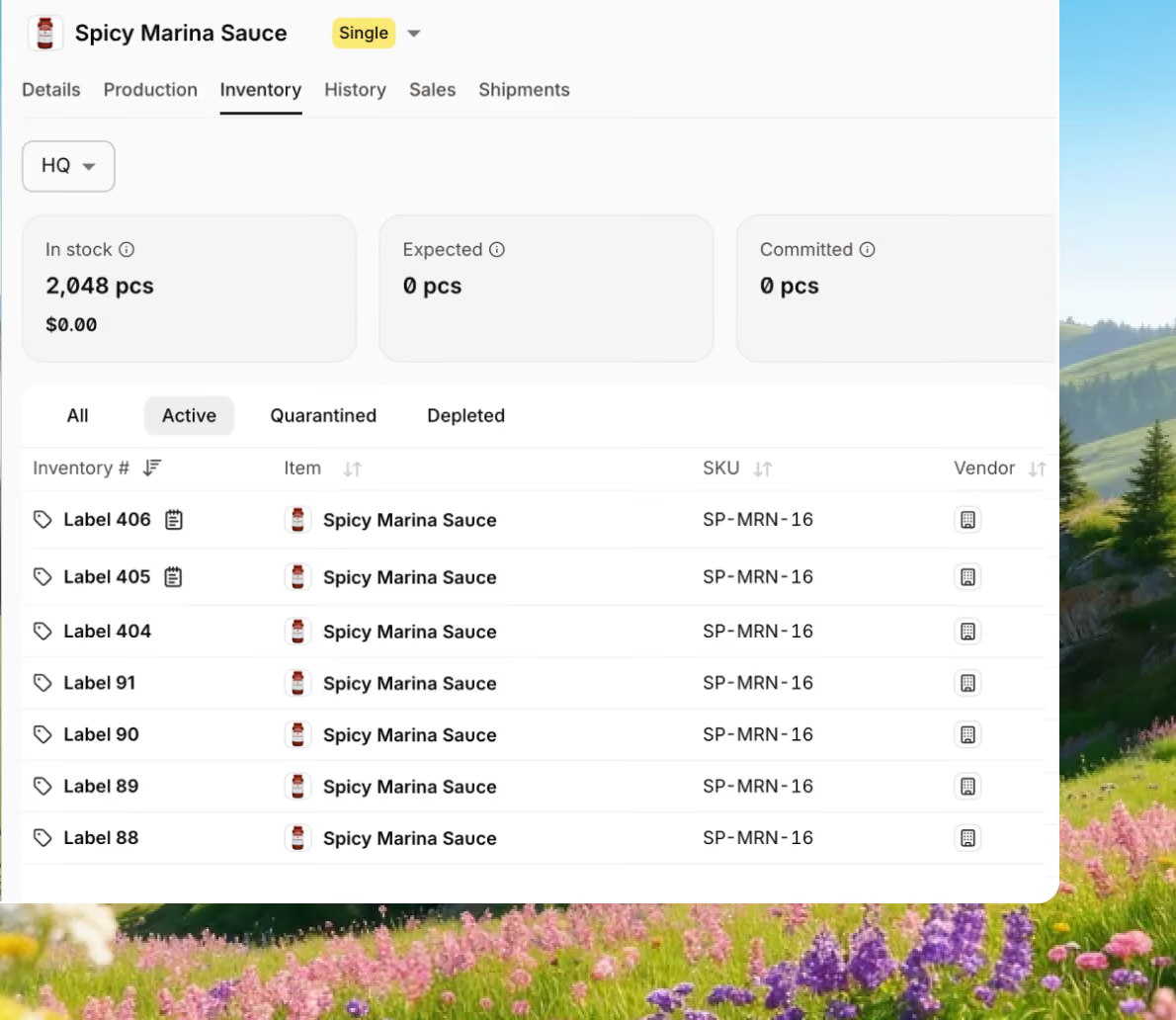
From ingredients to the final product shipped to customers, Digit helps you track batches and items across your entire supply chain to easily manage your inventory while staying compliant.












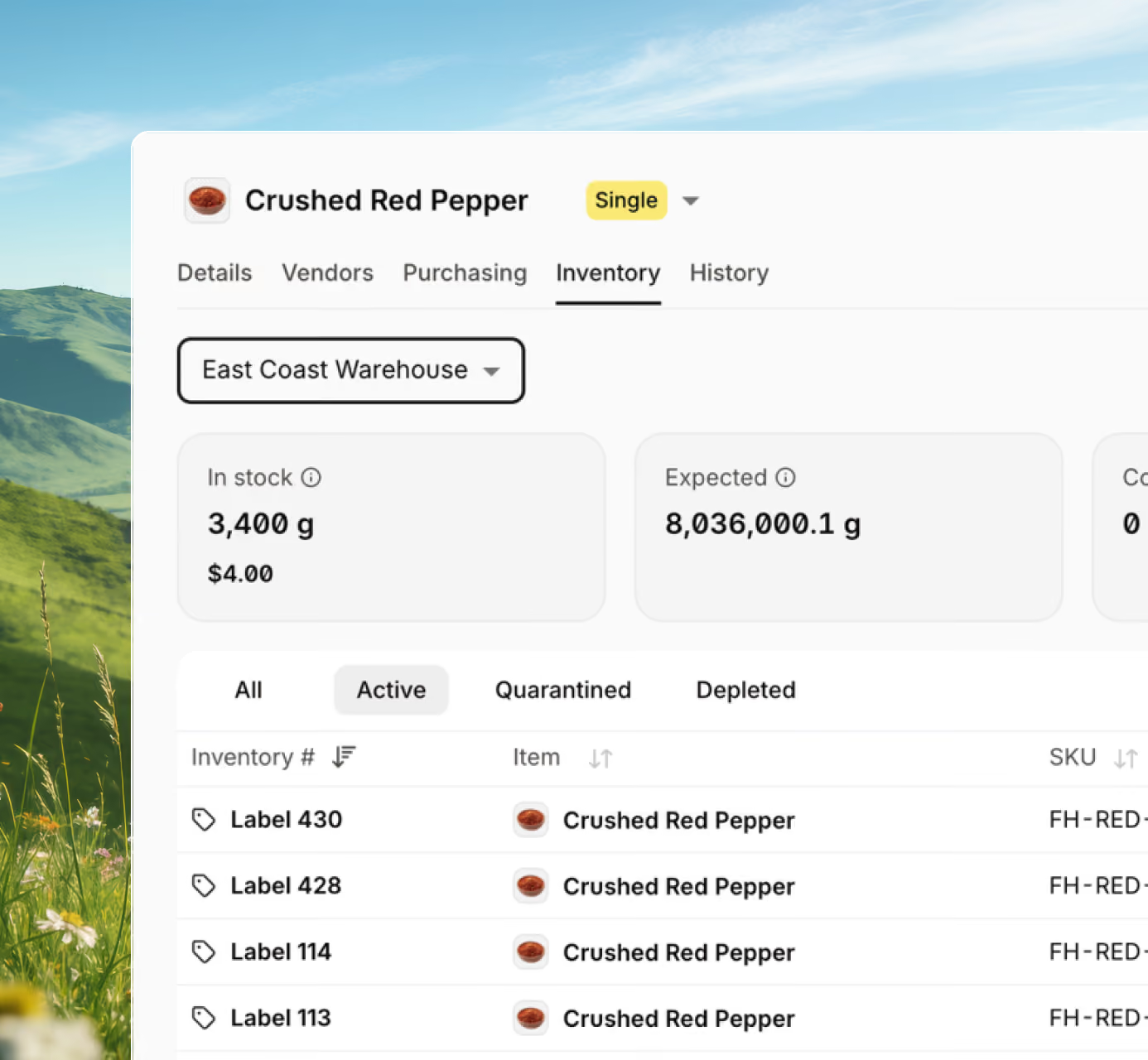







Digit records every batch, lot, and item movement, giving food manufacturers clear insight into where all their inventory items came from and where they went.

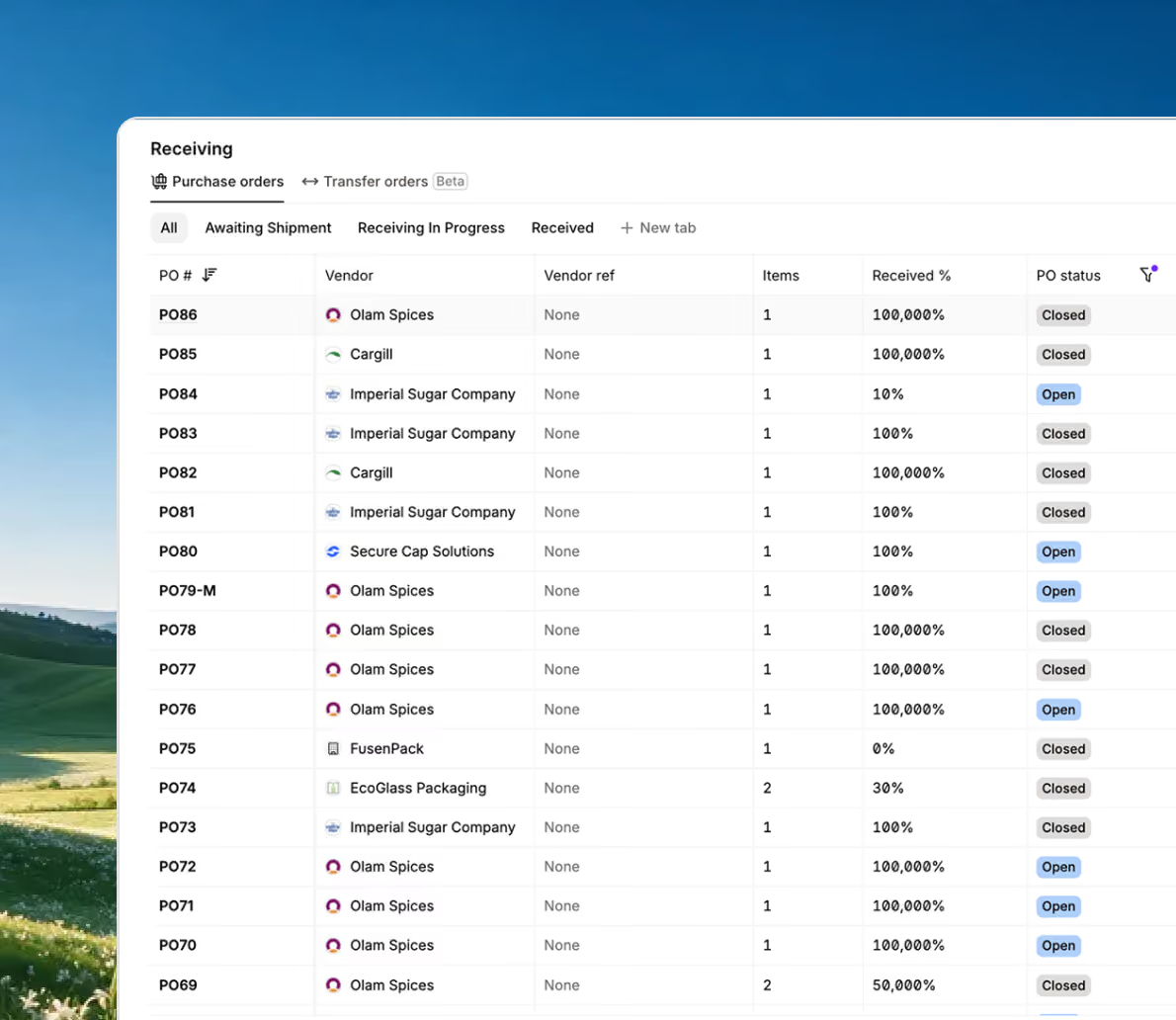
Digit allows you to track both standardized and serialized inventory, perfect for businesses that are regulated, handle high-value goods, or require accountability within their supply chain.
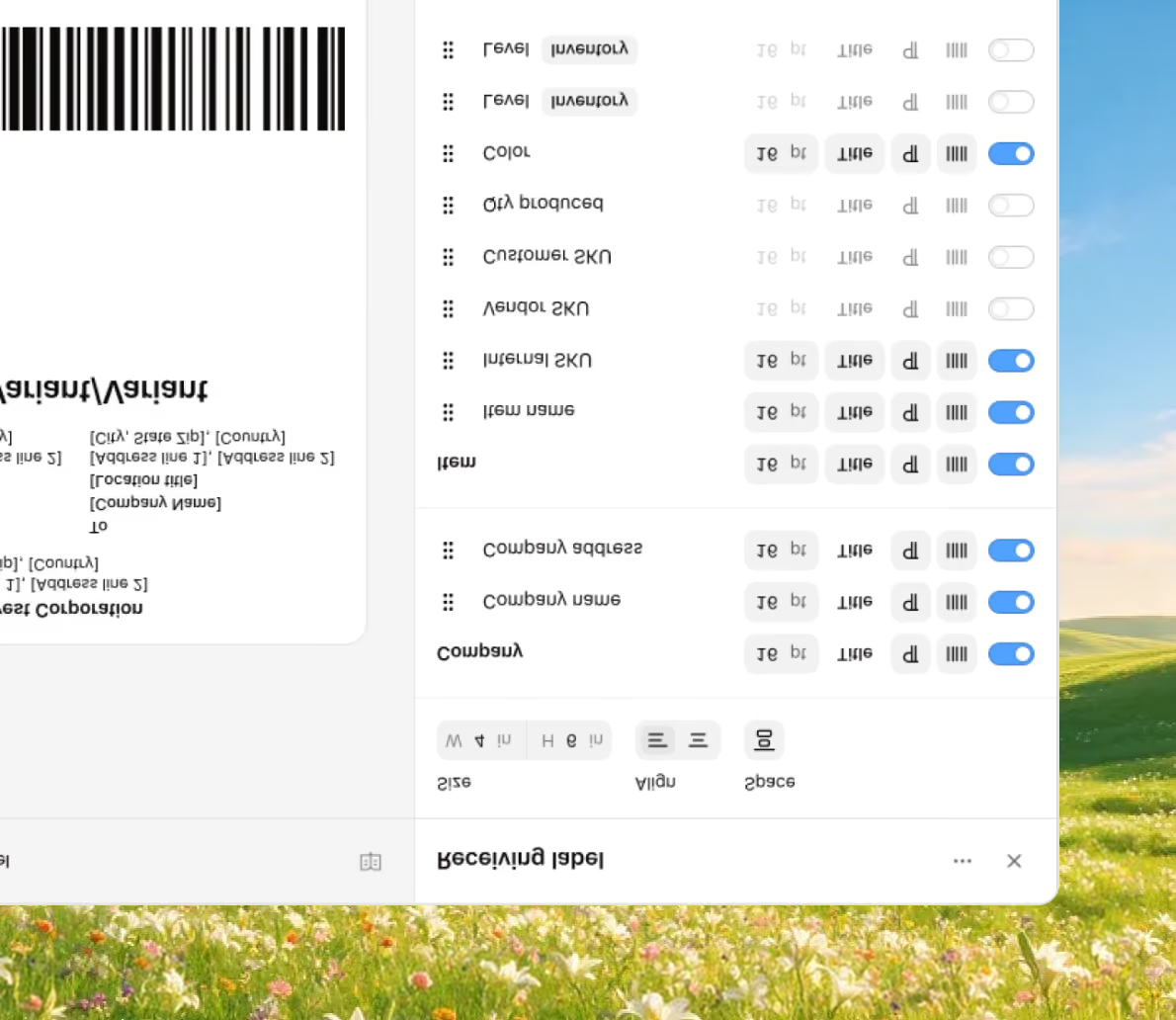
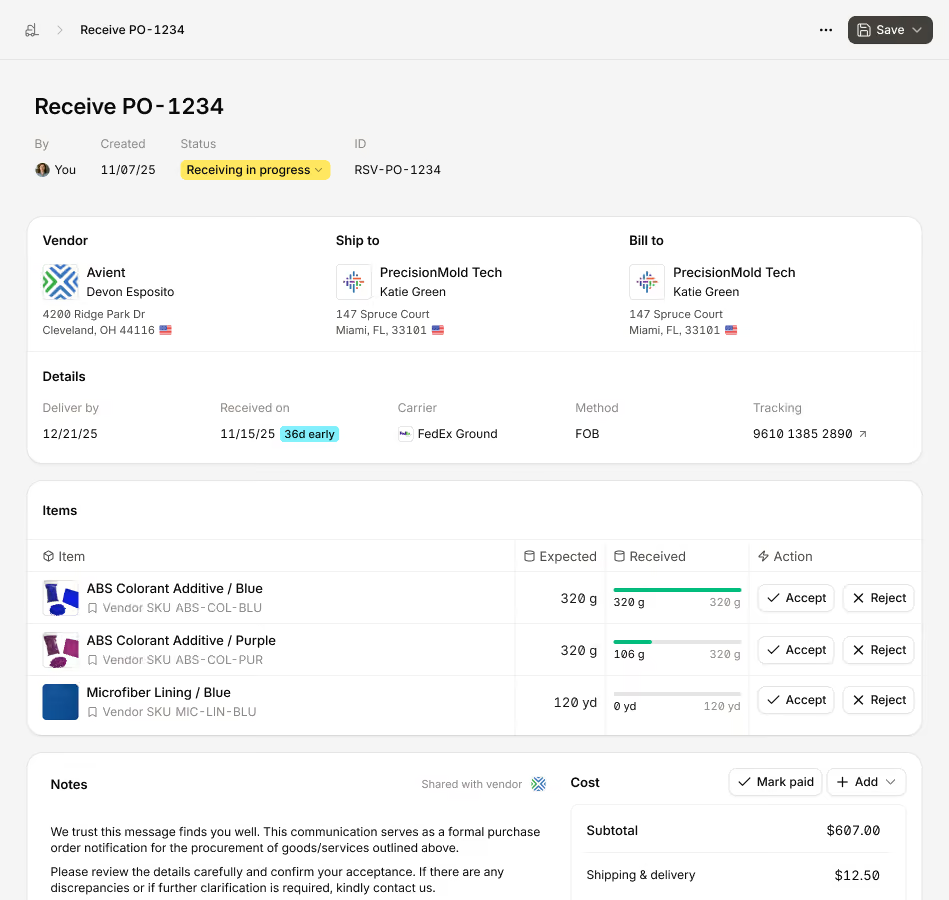
Staying compliant for food manufacturers is extremely important, and Digit helps you do this by keeping all compliance records accessible and connected to each batch.
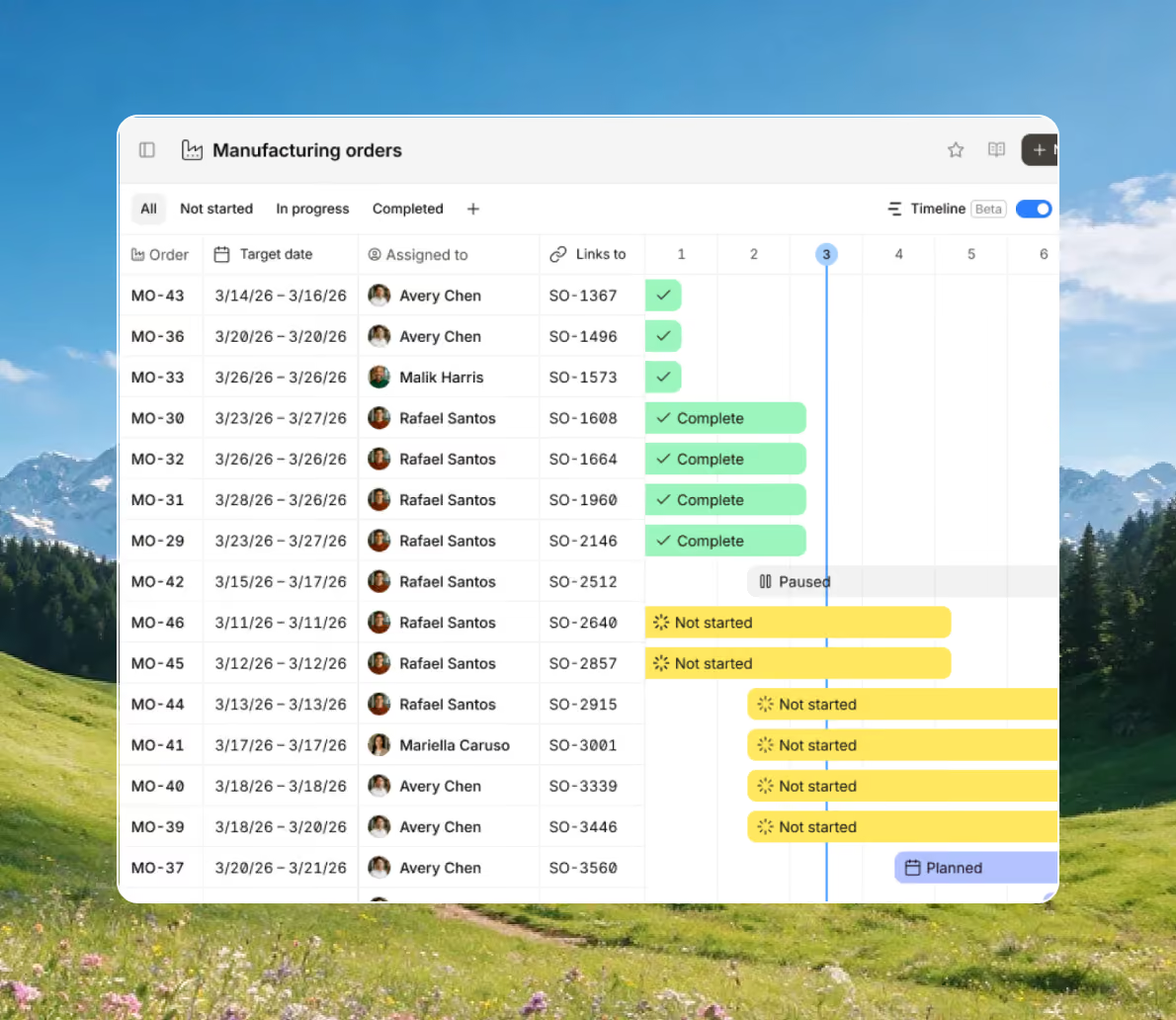
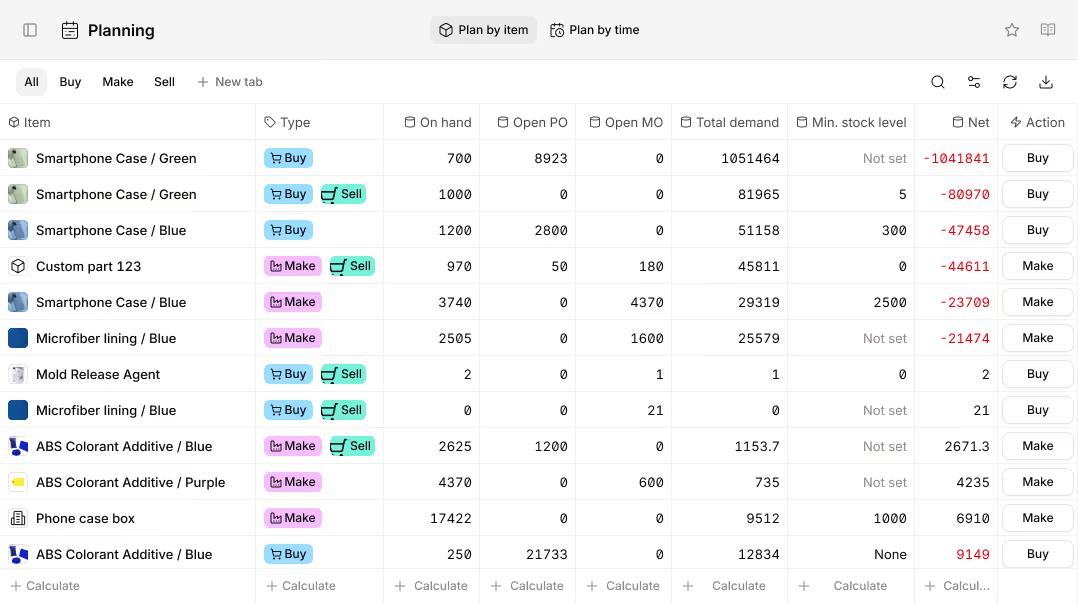
Digit updates inventory levels in real time, so you know exactly what you have on hand, what is in transit, and what needs to be reordered or produced.
Bring every sales channel and accounting tool together in one system with seamless syncing and flexible API access.





Bring your inventory, accounting, and production together in stock management software built for manufacturers. Keep every part of your business connected, accurate, and easy to track.


100+ manufacturers and distributors have replaced spreadsheets and legacy ERPs with Digit.

If I can capture two seconds across 19 machines across a 24-hour span, I'll save the customer thousands of dollars.
Chris Johnson


“The impact Digit has had has been enormous, saving a lot of time, capturing a lot of data, streamlining a lot of processes, with a system that everyone loves to use.”
Tanner Thomas

“Digit has given us the insight into current and upcoming stock on our ingredients and raw materials needed for production. This allows us to procure more before we stock out and to be confident that we have enough to finish any upcoming production run.”
Adam Davis
"Digit is the most adaptable, user-friendly software we have ever used."
Joe Watkins
%2520(1).webp)
"With Digit, everything from our inventory to our production data is the word of truth. I can trust it. I can rely on it."
Joshua Burris


Your most frequently asked questions, all in one place. If you don’t see what you need, reach out to us.
It depends on the system, but most cloud-based food traceability software is designed to easily integrate with other systems such as ERP, MRP, WMS, and whatever else you might use. This is done either through native integrations or by giving you access to their API so you can build your own.
For example, Digit has integrations with the most popular e-commerce platforms and accounting solutions, as well as gives you access to the open API, so whatever business-critical tools you use, you can be sure to get them working with Digit.
Food traceability software gives you (and regulators) a digital trail of everything that has gone into making your products.
When you receive a purchase order of ingredients, you will use your traceability software for food manufacturing to assign a unique lot or batch number, along with important details such as:
As those ingredients move through your manufacturing processes, the system tracks how they're used and what they become. Some solutions, like Digit, use technologies such as barcode scanners and RFID tags to track product movements, helping you maintain accurate inventory levels as items move around.
Ultimately, when you implement food manufacturing traceability software, you’re looking for something that gives you:
To achieve this, tools like Digit provide end-to-end traceability, meaning you can access the complete history of any ingredient or finished product. In the case of Digit, you can maintain detailed audit trails to support food safety compliance by uploading relevant documentation to products and orders (sales and manufacturing).
There are some slight differences, but for the most part, they’re interchangeable, and one seems to be preferred over the other depending on whether you use British English or American English.
Both lots and batches require adding a unique identifier to a group of products made together so you can follow them from production through distribution. A lot tends to refer to a bigger grouping that might include several batches, while a batch is more specific to items made during one production run.
But, as already mentioned, whichever term you use, the goal will be the same nevertheless:
Keep in mind that both are different from serial number tracking, which assigns a unique number to each item rather than grouping them.
