

Ensure all your operations are running efficiently and production lines are moving, all from one place, accessible via the cloud, with Digit.












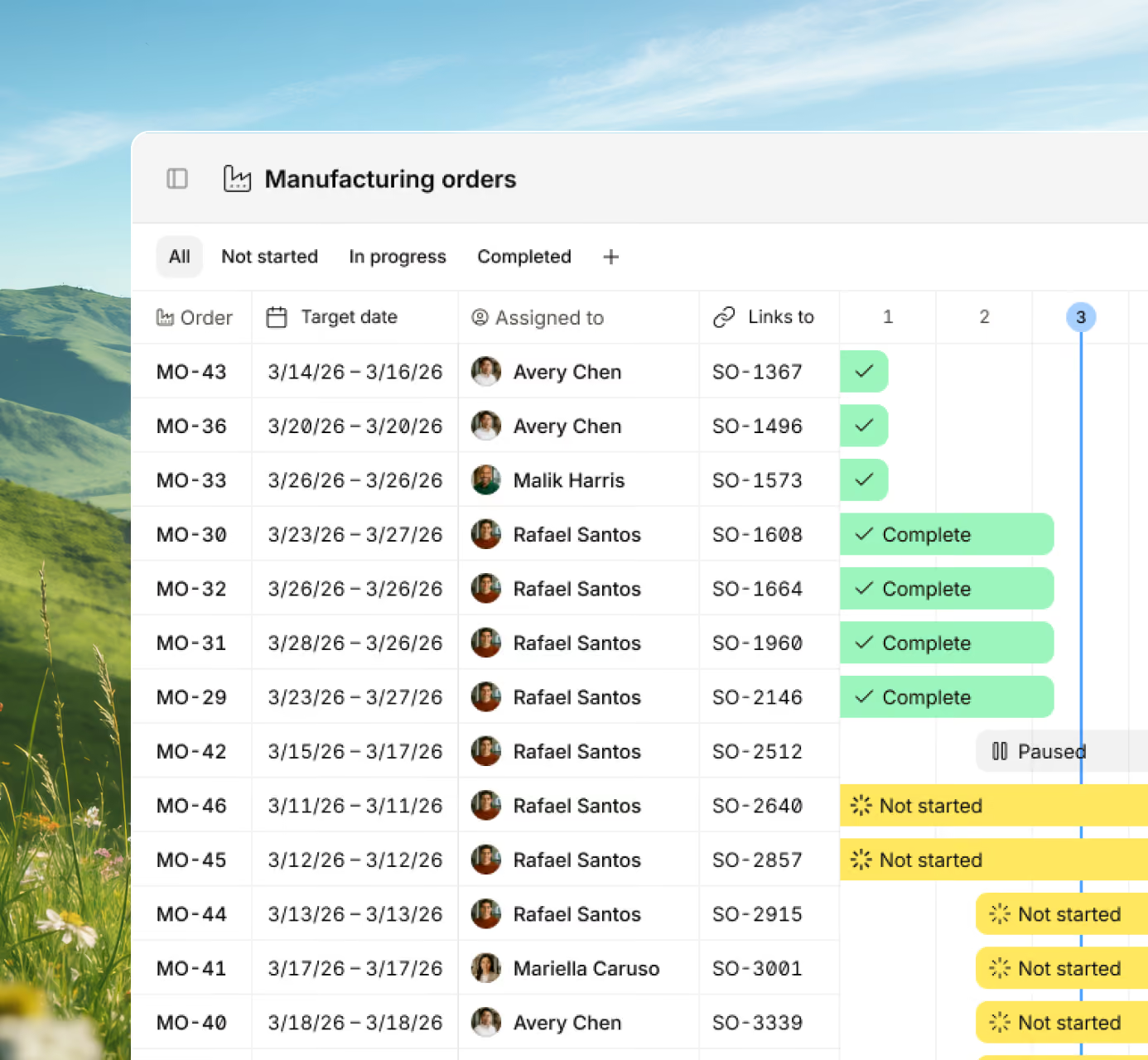







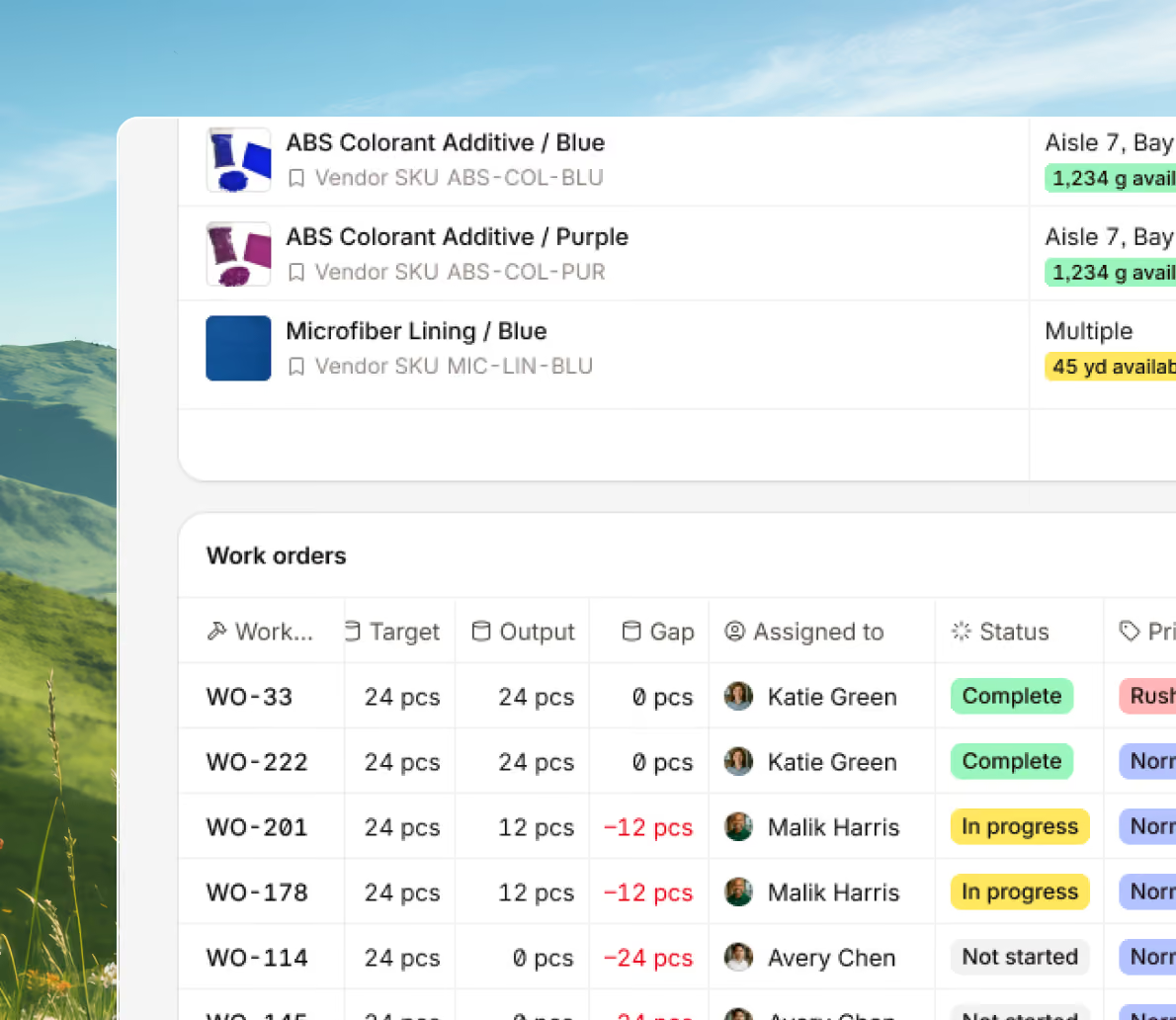
Keep production running smoothly with full visibility into materials, orders, and capacity. Digit helps you balance supply and demand in real time.

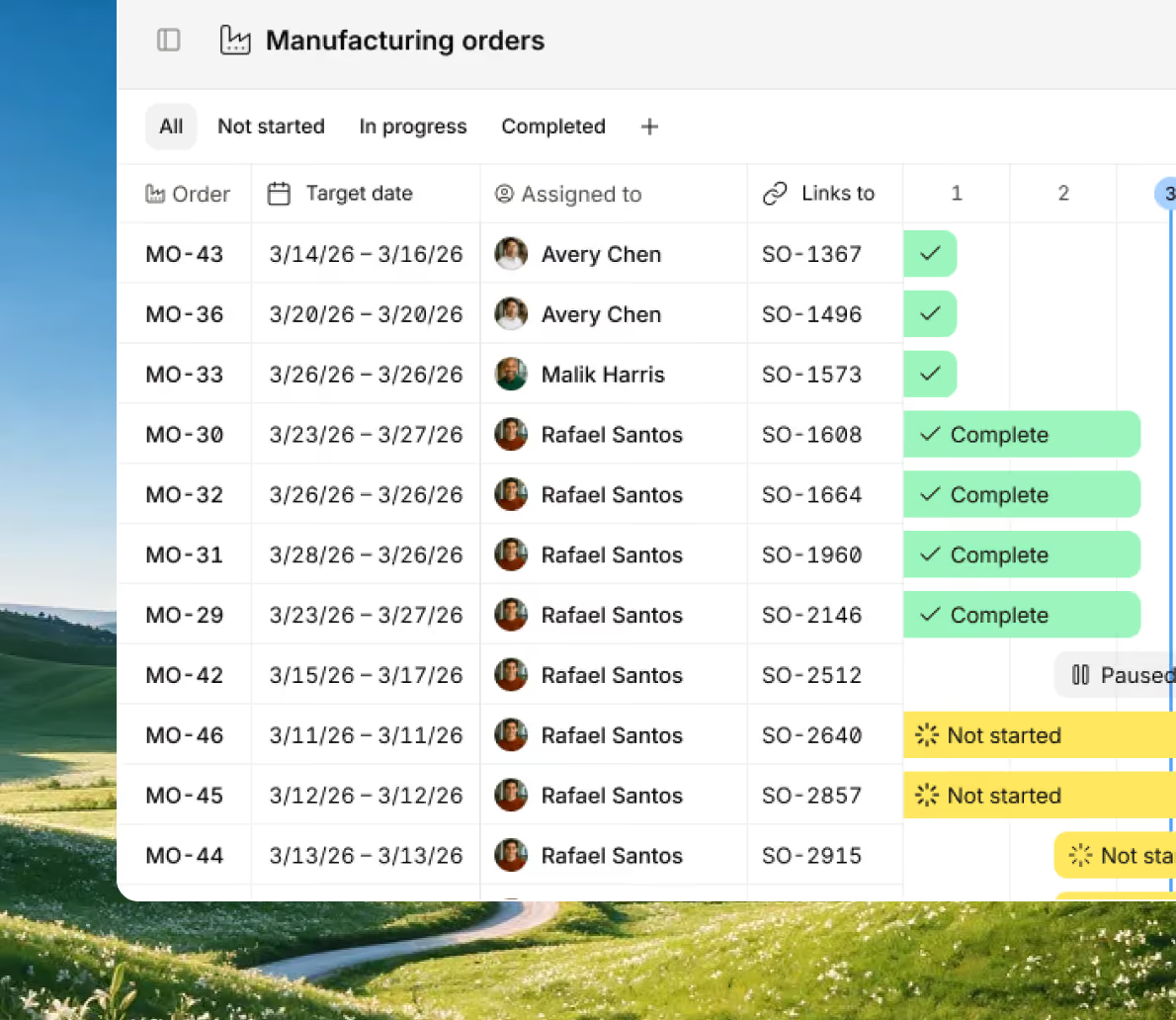
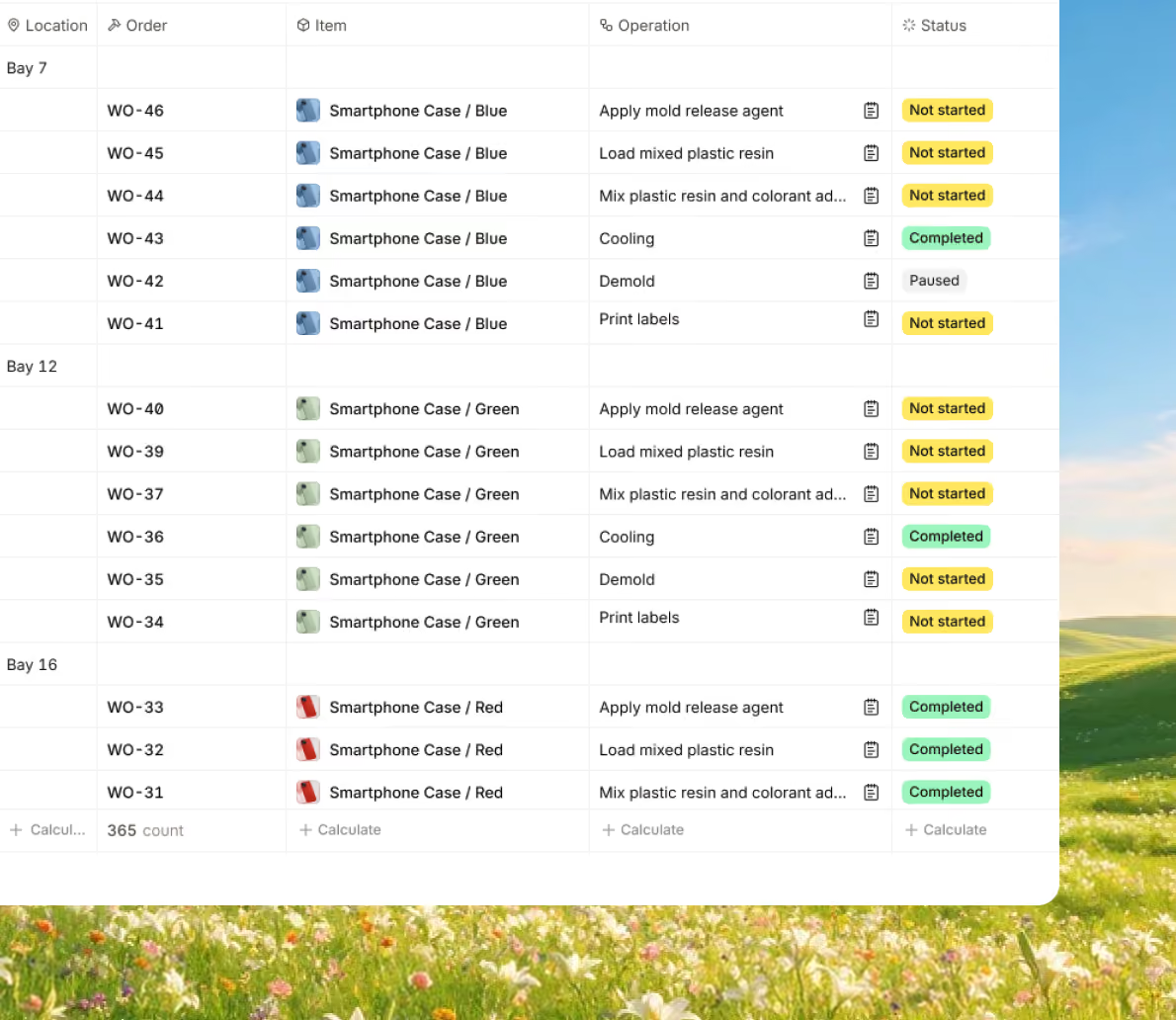
Plan and track every production run from one place. Digit gives you the control to schedule machines, manage resources, and keep jobs on track.
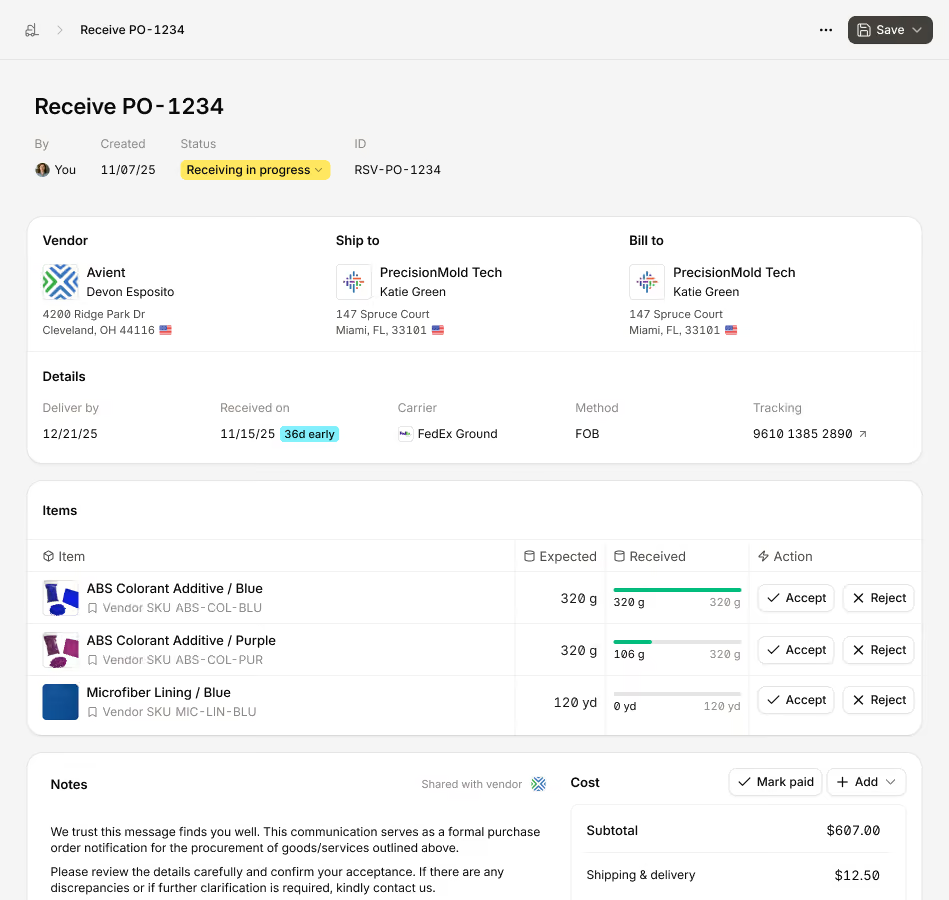
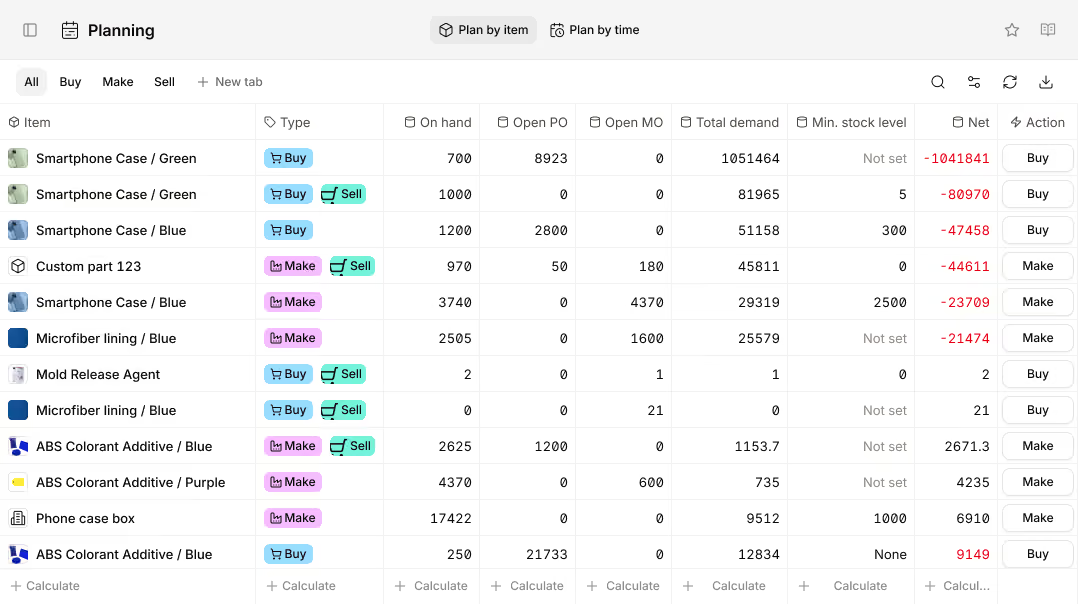
Align purchasing, manufacturing, and inventory levels to meet demand without overstocking or production-stopping stockouts.
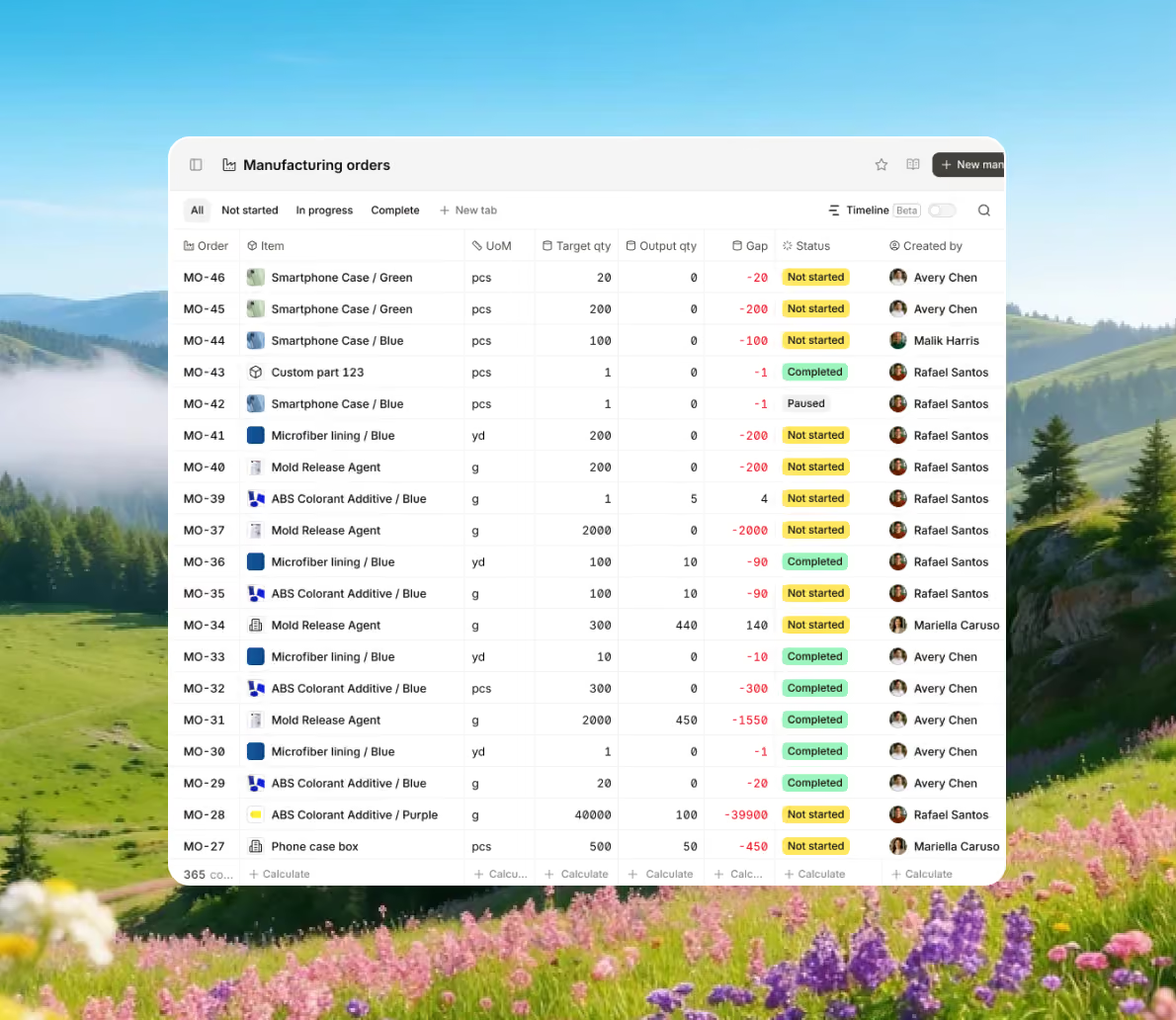
Manage all of your jobs in one place and see real-time progress across all your make-to-stock and make-to-order production runs.
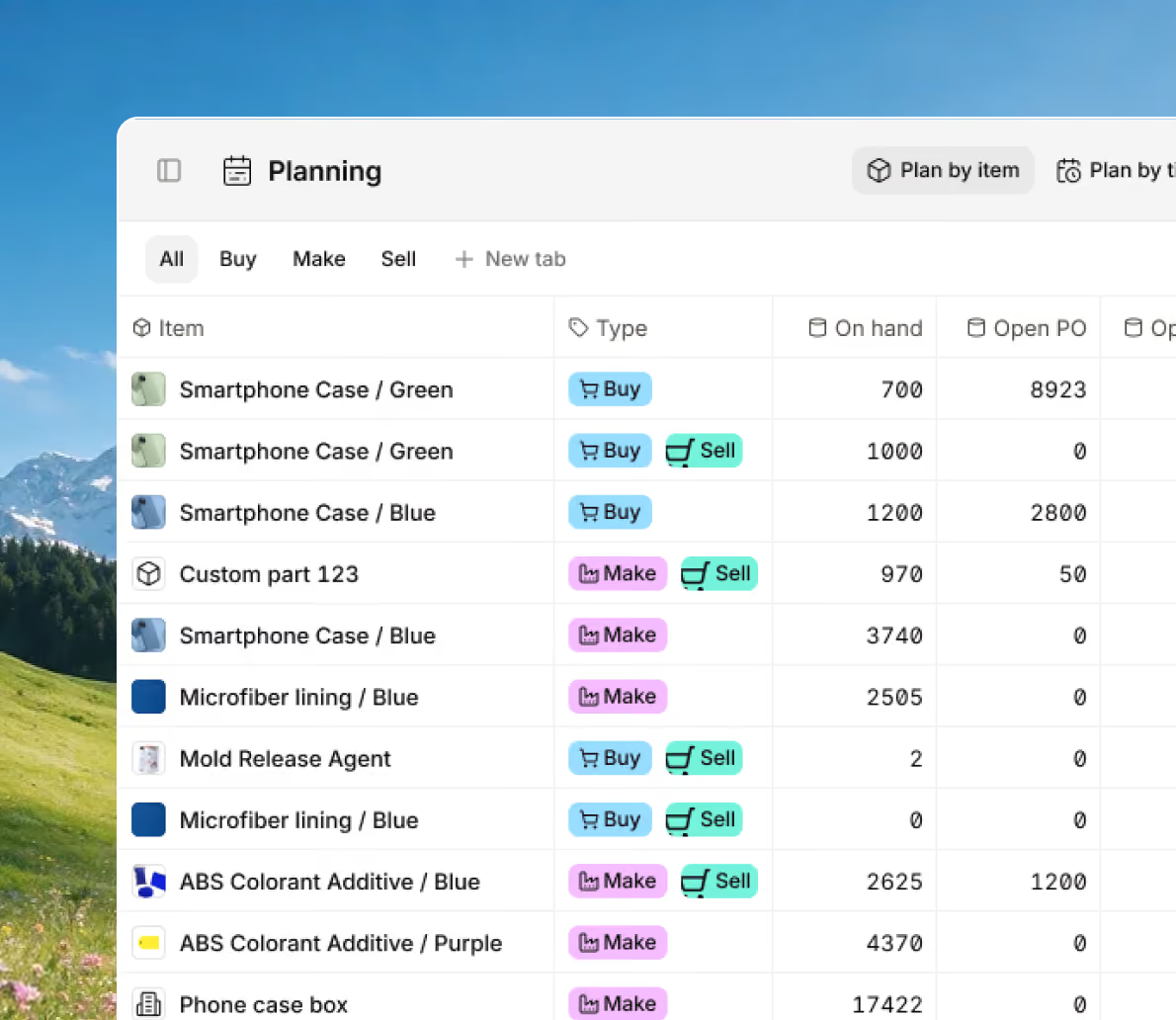
Connect purchasing, manufacturing, and inventory data to keep supply perfectly matched with demand to prevent shortages and excess stock while keeping production moving efficiently.
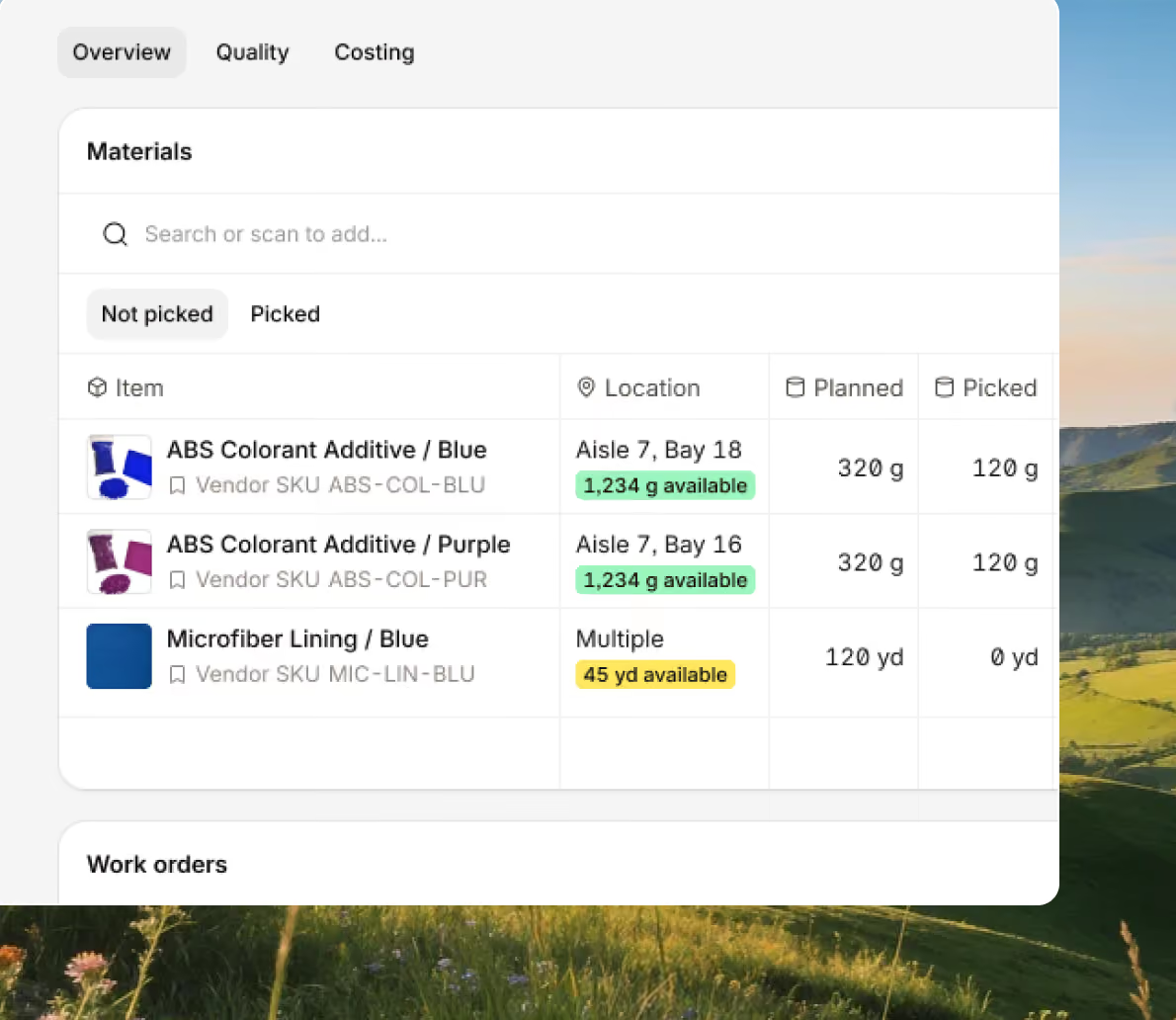
Manage each job’s route through your work centers, monitor progress, and make quick adjustments to stay on schedule.
Bring every sales channel and accounting tool together in one system with seamless syncing and flexible API access.





Bring your inventory, accounting, and production together in stock management software built for manufacturers. Keep every part of your business connected, accurate, and easy to track.


100+ manufacturers and distributors have replaced spreadsheets and legacy ERPs with Digit.

If I can capture two seconds across 19 machines across a 24-hour span, I'll save the customer thousands of dollars.
Chris Johnson


“The impact Digit has had has been enormous, saving a lot of time, capturing a lot of data, streamlining a lot of processes, with a system that everyone loves to use.”
Tanner Thomas

“Digit has given us the insight into current and upcoming stock on our ingredients and raw materials needed for production. This allows us to procure more before we stock out and to be confident that we have enough to finish any upcoming production run.”
Adam Davis
"Digit is the most adaptable, user-friendly software we have ever used."
Joe Watkins
%2520(1).webp)
"With Digit, everything from our inventory to our production data is the word of truth. I can trust it. I can rely on it."
Joshua Burris


Your most frequently asked questions, all in one place. If you don’t see what you need, reach out to us.
The best production scheduling software helps manufacturers plan, organize, and track every job in real time.
It makes sure people, machines, and materials are used efficiently while keeping work on schedule. Modern production planning and scheduling software do much more than just build a calendar. They connect data from across the business to keep production running smoothly.
The most capable of production management software will be able to help manufacturers turn forecasts into simple, connected production plans.
It brings together material planning, scheduling, and labor management in one place so you can stay organized and keep production on track. Here are some of the main features to look for:
MRP stands for Material Requirements Planning.
An MRP looks at what you plan to make and figures out the parts you need to make it. It checks your bills of materials, your stock on hand, and any open purchase orders. Then it tells you what to buy, how many to buy, and when to buy it so the parts arrive on time. The goal is simple: do not run out of materials, and do not pile up too much extra.
For example, if the plan says you will build 100 bikes next week, MRP will count how many frames, wheels, chains, and bolts you have, subtract what is missing, and suggest purchase orders with the right due dates.
Production scheduling handles the work on the shop floor.
It takes the orders and the materials that MRP plans, then decides the exact order of tasks. It answers which machine runs first, which team runs it, how long each step should take, and when each job starts and finishes. It also respects real limits like machine capacity, changeover time, and worker availability. Using the bike example, scheduling chooses which press forms the frames at 8 a.m., which line does painting at 11 a.m., and when final assembly should start so shipping can happen on time.
Here’s how Digit does both MRP and production scheduling in one connected manufacturing scheduling software.
Digit brings material planning and production scheduling together so everything runs in sync. It starts by turning your production plan into clear material requirements, checking each BOM, open PO, and inventory level. From there, Digit automatically generates purchase and manufacturing orders, making sure you always have the right materials at the right time without overstocking.
Once materials are in place, Digit schedules every job down to the machine, tool, and operator. You can see all work orders in a live Gantt timeline that updates as progress is logged on the floor. If a part is delayed, Digit adjusts the plan, updates purchase needs, and reschedules work to keep things moving. When a machine goes down, it automatically reorders the queue or reassigns the job to available equipment.
Because Digit connects MRP and scheduling in real time, every decision reflects what’s actually happening on your shop floor. Materials, machines, and people stay aligned, so production runs smoothly from planning to completion.
With Digit, you get total visibility across purchasing, inventory, and manufacturing. You can plan smarter, restock only what’s needed, and start every job on time. Instead of juggling multiple systems or spreadsheets, Digit keeps everything, from material planning to job execution, in one simple, live view.
Production planning and production scheduling sound similar, but they do different jobs in a factory.
Planning is the big picture. It looks months or weeks ahead and decides what to make, how much to make, and where it should be made. Planning considers demand, capacity, resources, machines, and materials. The goal is to balance supply and demand, set targets, and make sure the production line will have what it needs when the time comes.
Scheduling works closer to today. It turns the plan into a detailed timeline for the next hours, days, or a week. It answers who will do the work, which machine will run, and the exact start and finish times for each step. It also watches the floor in real time and reacts when things change, like a late delivery, a sick worker, or a machine breakdown. The goal is to keep work moving, avoid bottlenecks, and ship on time.
Let’s use an example of making ice cream (since everyone loves ice cream). The plan says we will make 10,000 cups of vanilla ice cream this week. It checks that we have enough milk, sugar, cups, people, and freezer space. Scheduling decides when to mix each batch today, which freezer gets used at 9 a.m., who runs the filler at noon, and when packaging starts so the last boxes are ready before pickup.
Both pieces must work together. Strong planning gives clear goals and makes sure resources are ready. Strong scheduling uses those goals to build a smooth daily plan and to fix problems fast. If planning is weak, the schedule will always chase missing parts or time. If scheduling is weak, even a good plan will slip. The best factories do both well so every day fits the bigger plan. That way, customers get what they ordered, costs stay under control, and teams work with less stress.
