%201.svg)


Distribution inventory software
Digit supports wholesalers and distributors with robust inventory, stock, and warehouse management tools.














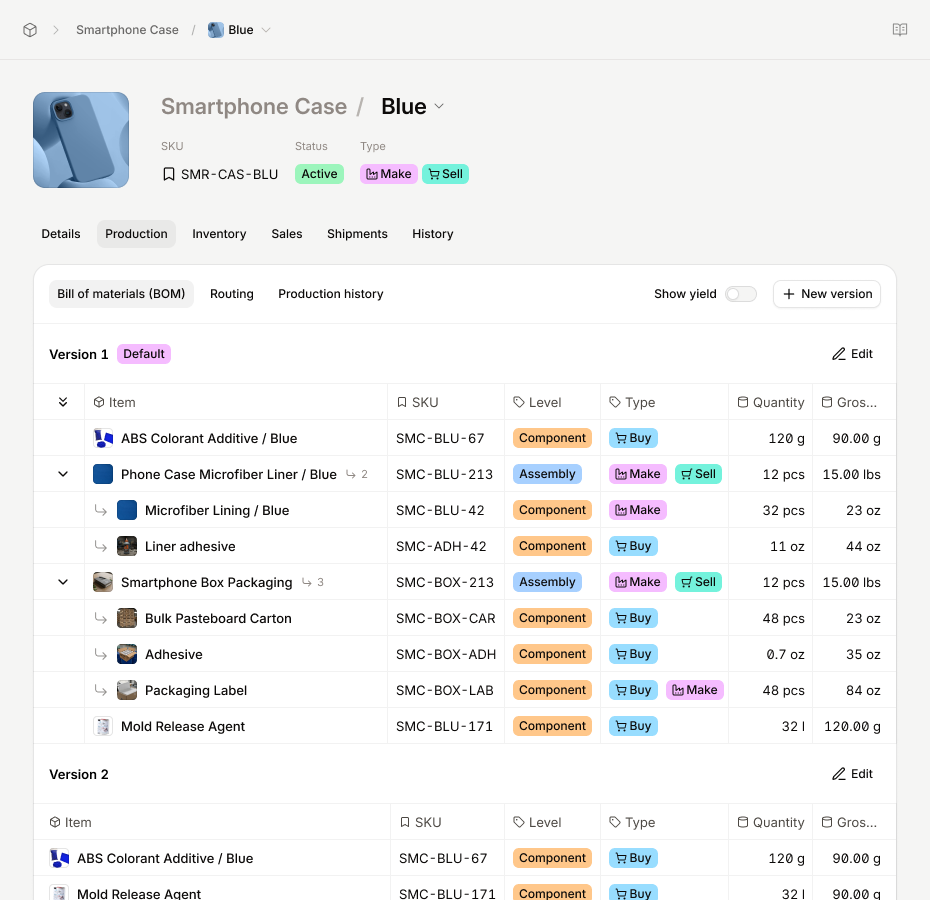
Centralize your purchasing, inventory, production, and orders with distribution inventory software.
Distribution software manages the flow of goods from supplier to customer, connecting orders, inventory, and shipping in one system for clear, real-time control.
With it, you can automate order entry, picking, packing, and shipping to cut manual work, reduce errors, and keep inventory levels accurate across multiple locations.
It tracks how items move through each stage of the process and shows current inventory levels with reorder points that help teams plan ahead and prevent shortages.
Through built-in integrations, it links purchasing, inventory, and production data so operations stay aligned and ready to scale efficiently.


Keep the ideal inventory levels needed for you to fulfill orders. Avoid stockouts and meet demand with reliable data that updates in real time.
Including:
See every product’s journey from receipt to shipment. Scan, track, and trace with full visibility at every stage.
Including:



Multi-warehouse inventory management connects several warehouses into one system so businesses can control stock, orders, and transfers in real time. It keeps data accurate across every location and helps teams ship from the right warehouse at the right time.
Performance visibility: Managers can compare warehouse performance and make changes to improve accuracy and speed.
Distribution software should include features that help teams manage stock, orders, and customers easily and accurately. Important features include:
Customer or partner portals: Clients can view order updates and documents in real time
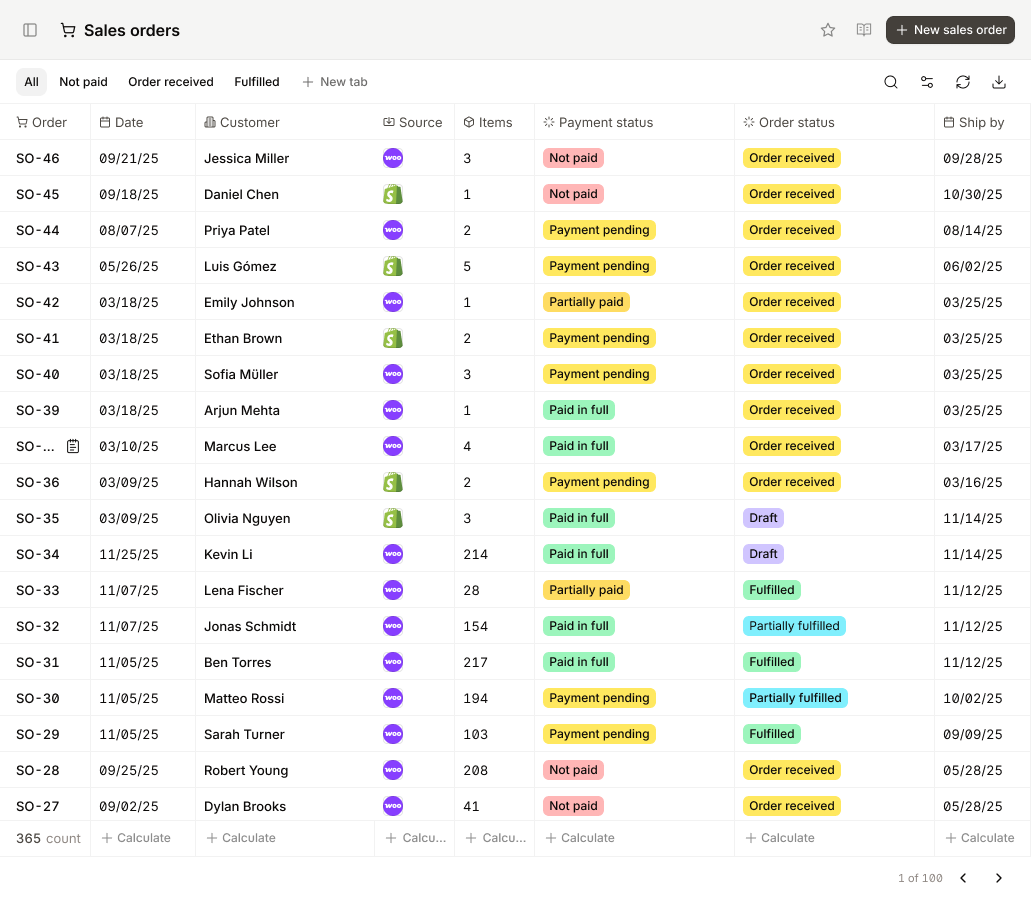
B2B order management is the process of handling product orders between businesses from start to finish.
It covers everything from when an order is placed to when it is fulfilled, shipped, and paid for.
The process starts when a buyer places an order through a portal, sales rep, or online system. Then, the team checks stock, picks the items, packs them, and gets them ready to ship. The customer or client gets updates on their order status and any changes or delays. The last step is billing and payment, which includes sending invoices, processing payments, and handling returns if needed.
B2B order management is more complex than D2C sales because it deals with bulk orders, custom pricing, and longer payment terms.
If you’re looking for a B2B order management system that brings order tracking, inventory control, and customer management together, Digit can help.
It gives you a single connected platform where every order, shipment, and account is updated and accessible from anywhere with an internet connection. With the B2B portal, barcode tools, and full traceability, Digit helps distributors and manufacturers manage complex orders while keeping every customer interaction consistent and reliable.
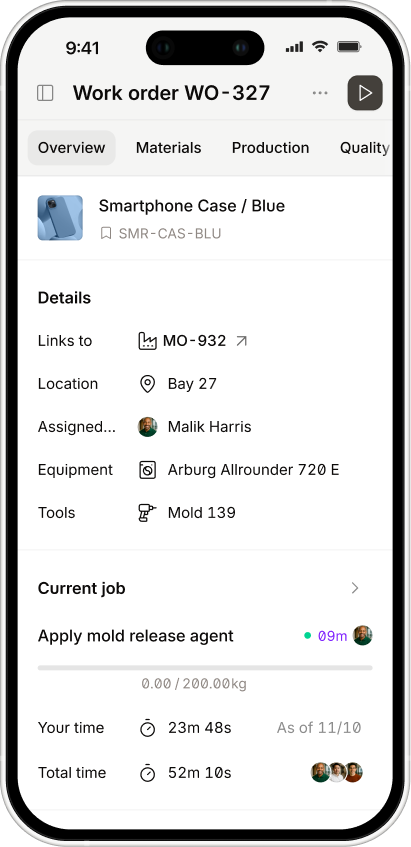
Digit automates fulfillment workflows, keeps data accurate in real time, and helps your team move products faster without delays or confusion.





.jpg)