

From raw materials to finished goods, easily track batches and items, so you can pinpoint issues, ensure quality output, and stay compliant without the headaches of manual entries.












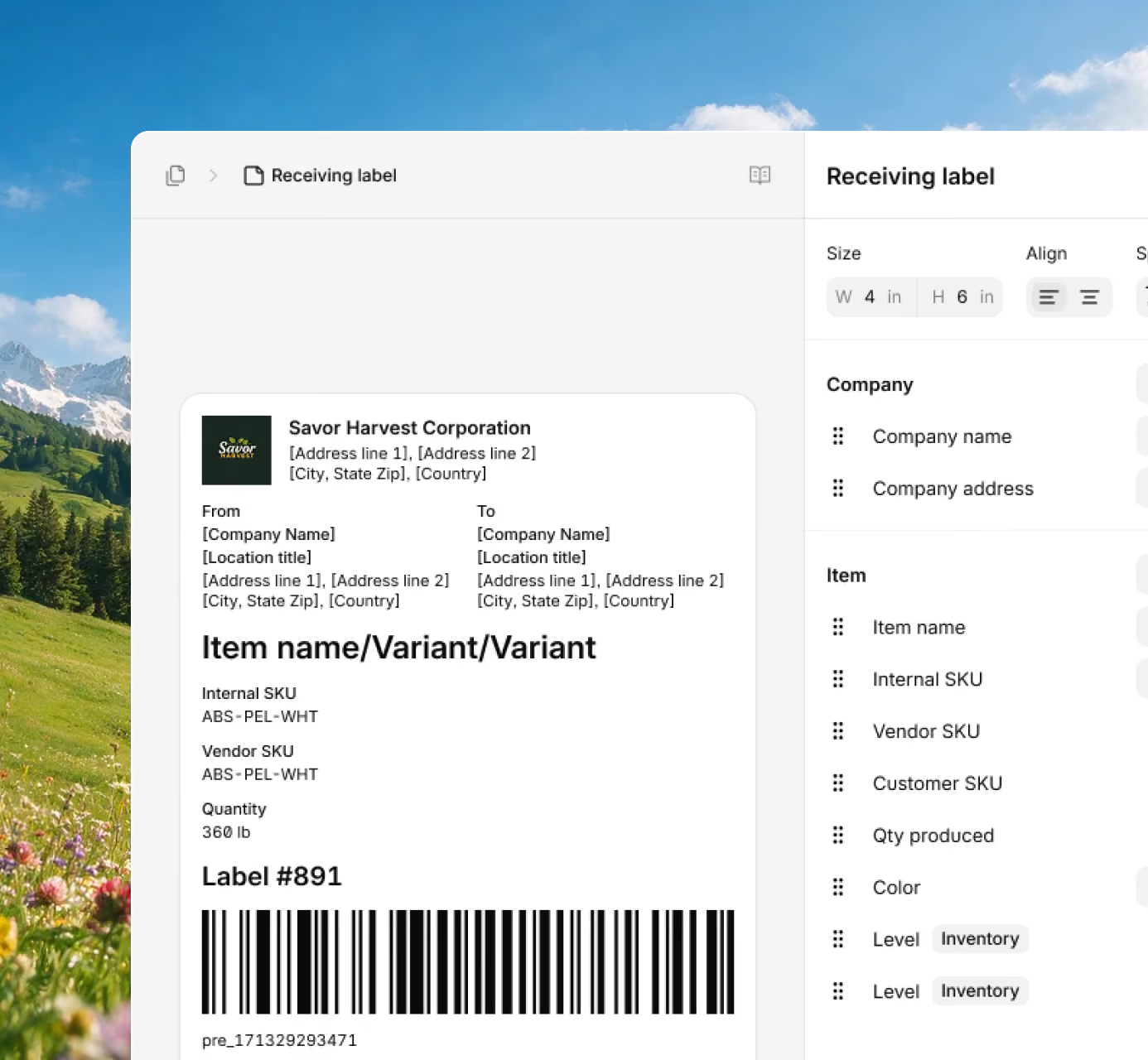







Digit records every batch movement automatically, so you can see where materials came from, how they were used, and where finished products were shipped.

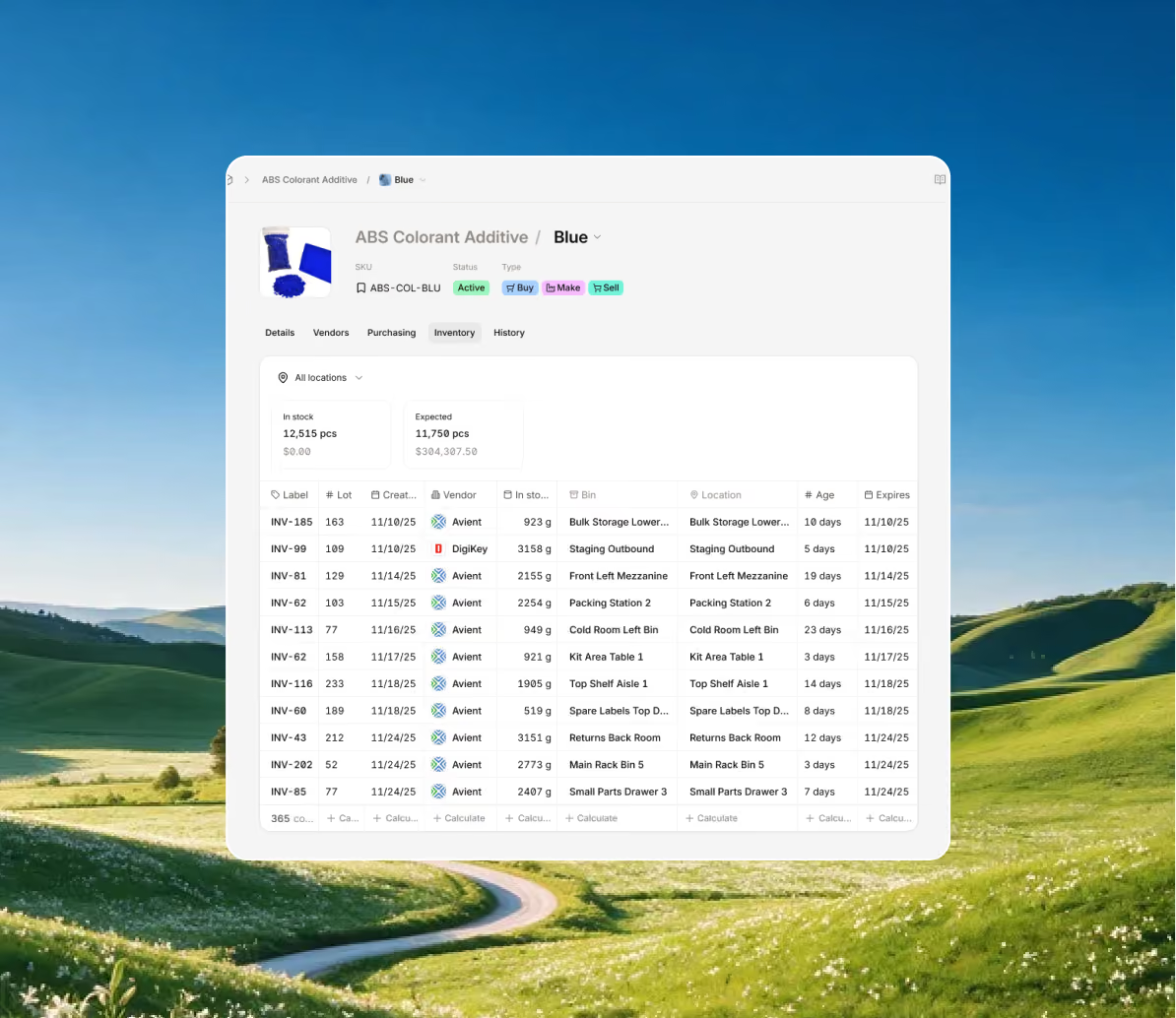
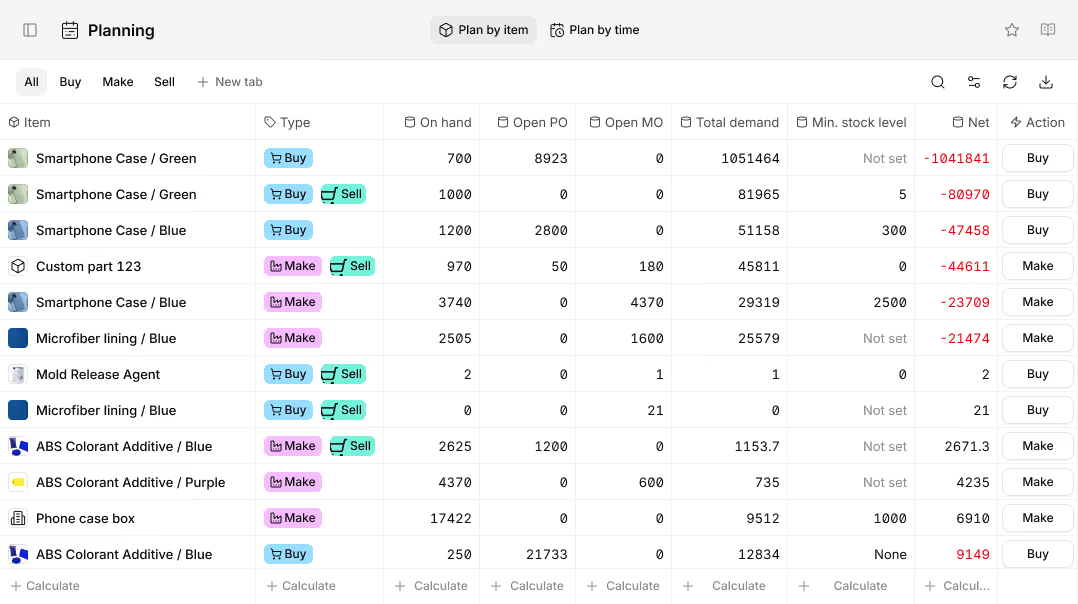
Tag every item with a unique ID for full visibility, ideal for manufacturers handling products with a high-price tag or regulated products that need exact tracking.
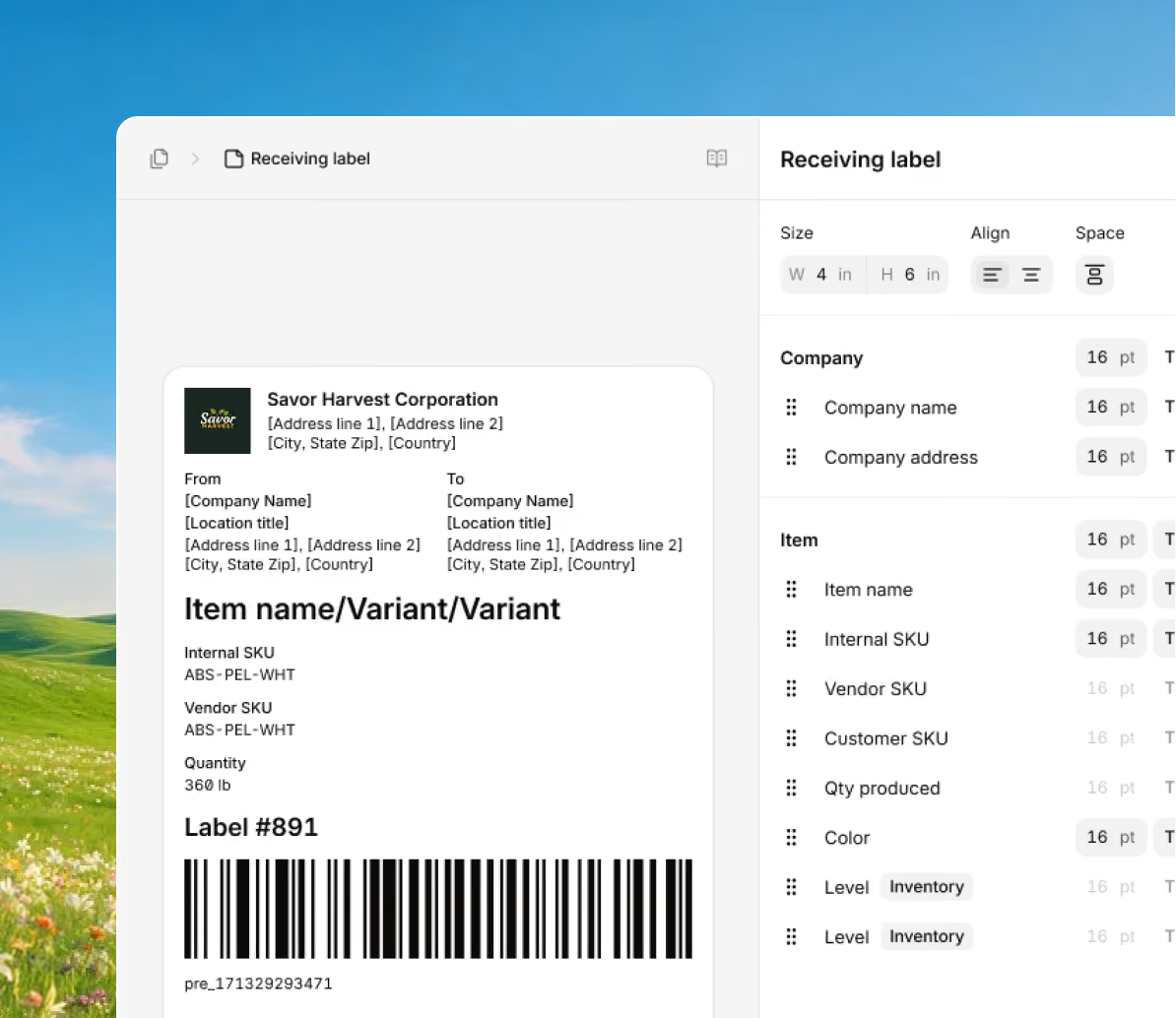
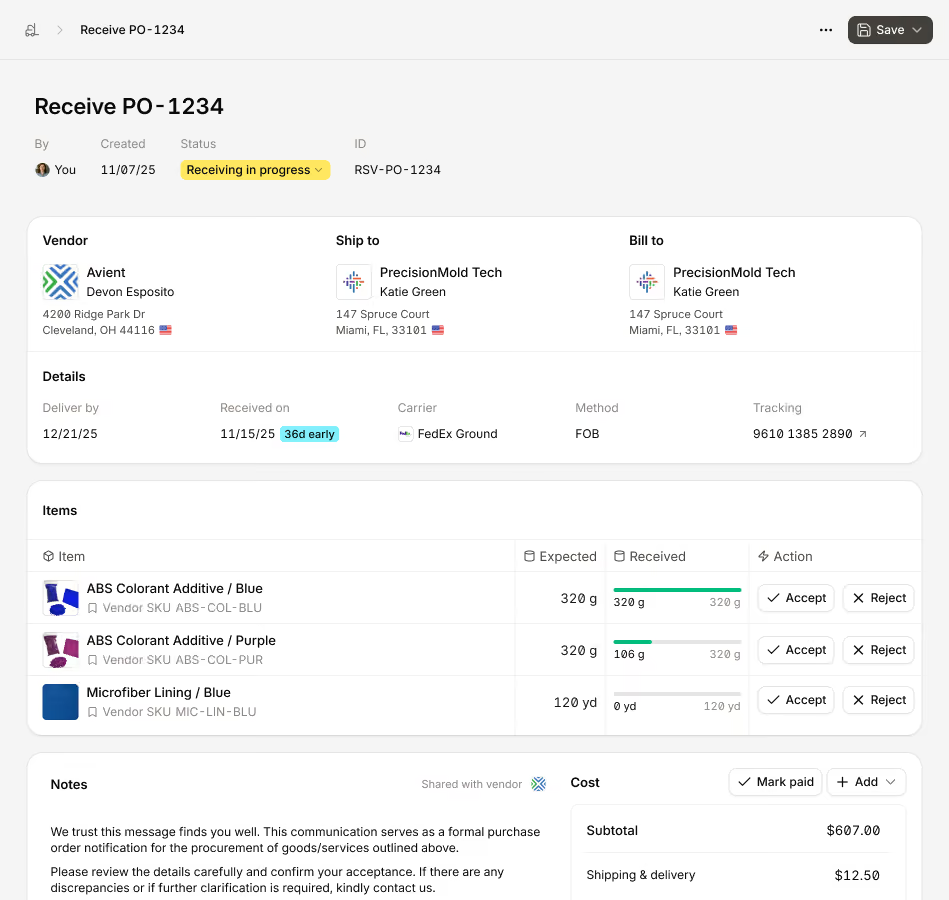
Digit keeps your records organized and accessible, allowing you to attach certifications, test results, and quality checks to every batch.
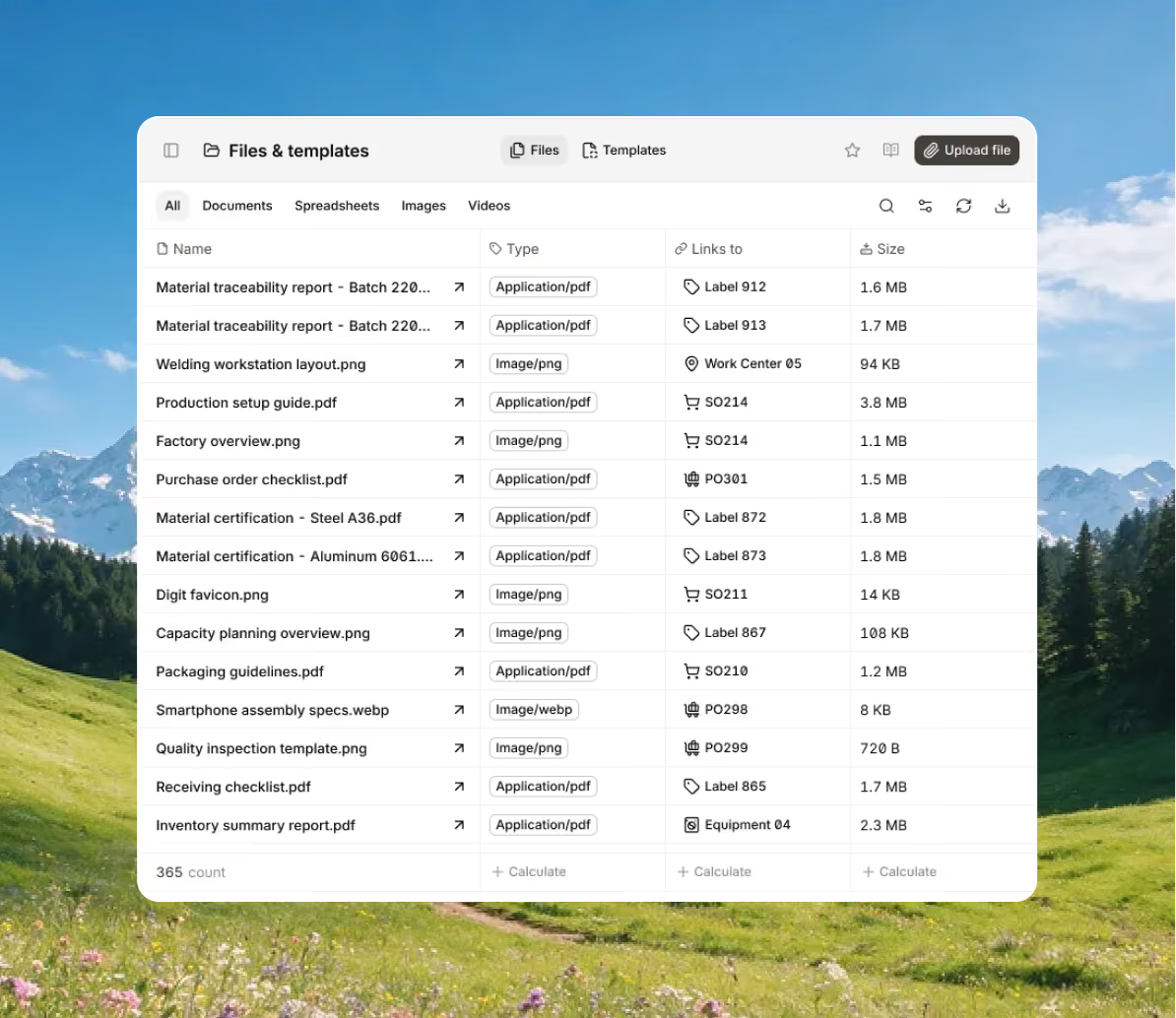
Never lose track of what’s in stock or in-transit as Digit updates inventory levels in real-time, keeping your counts accurate.
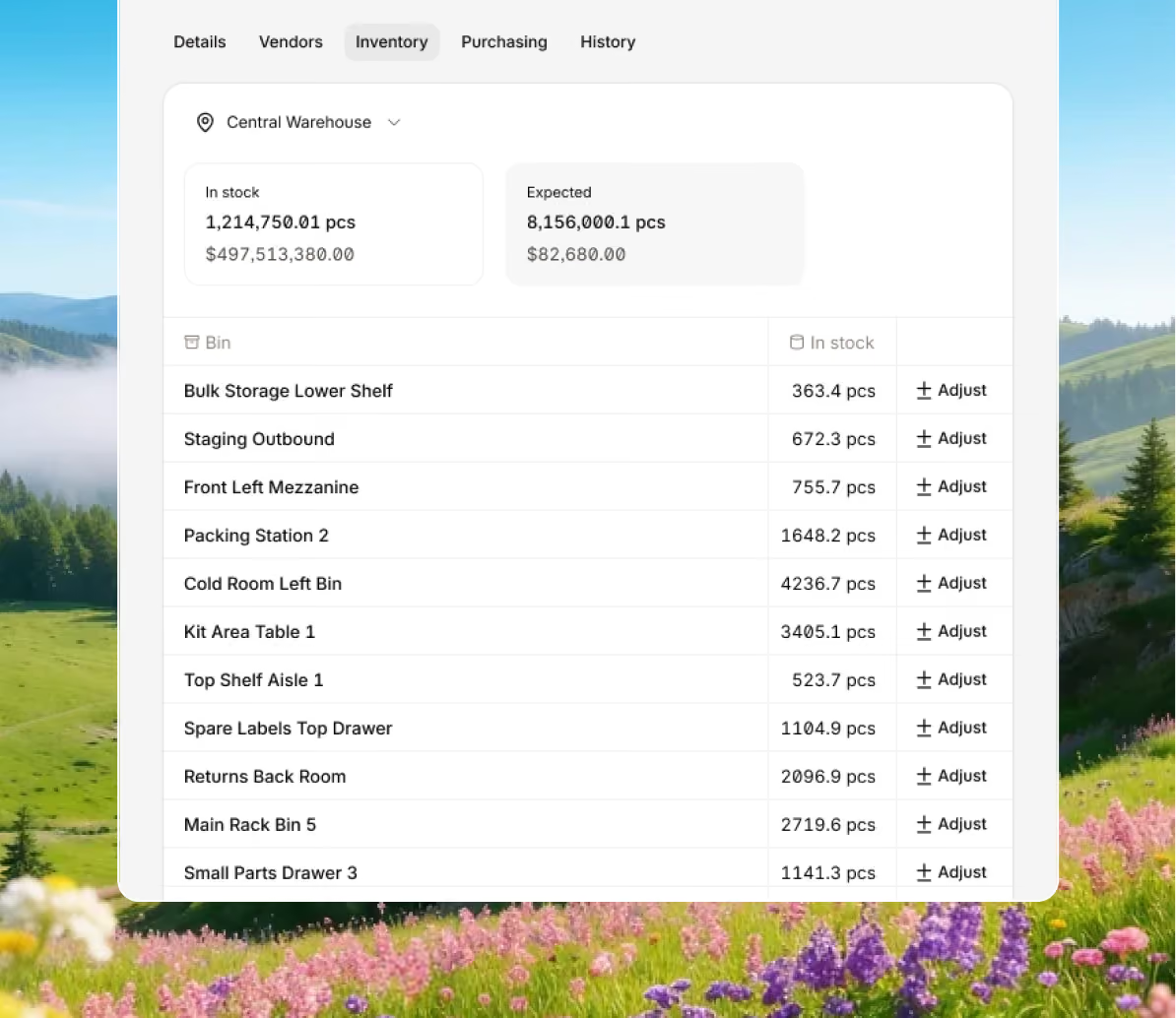
Bring every sales channel and accounting tool together in one system with seamless syncing and flexible API access.





Bring your inventory, accounting, and production together in stock management software built for manufacturers. Keep every part of your business connected, accurate, and easy to track.


100+ manufacturers and distributors have replaced spreadsheets and legacy ERPs with Digit.

If I can capture two seconds across 19 machines across a 24-hour span, I'll save the customer thousands of dollars.
Chris Johnson

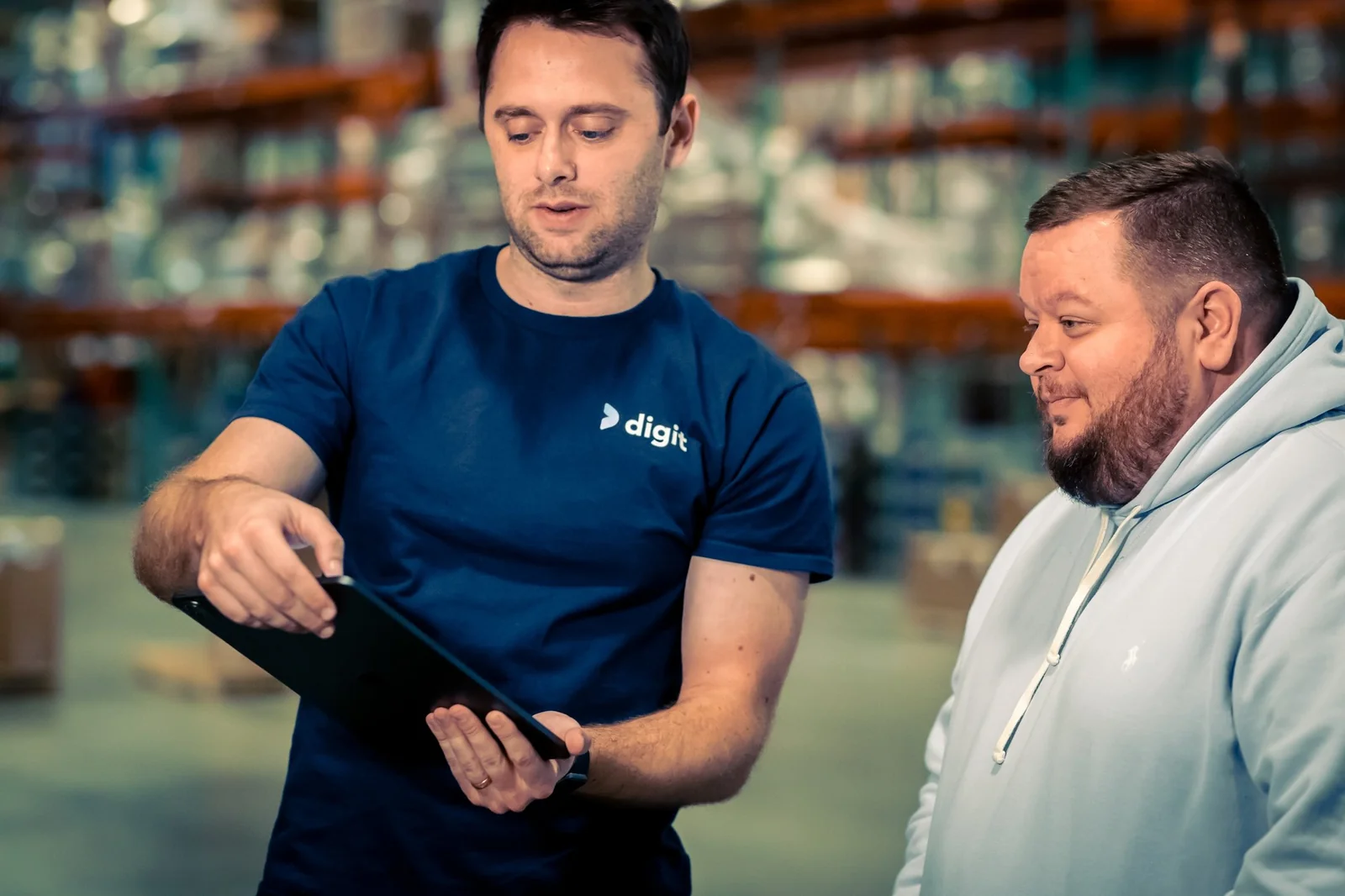
“The impact Digit has had has been enormous, saving a lot of time, capturing a lot of data, streamlining a lot of processes, with a system that everyone loves to use.”
Tanner Thomas

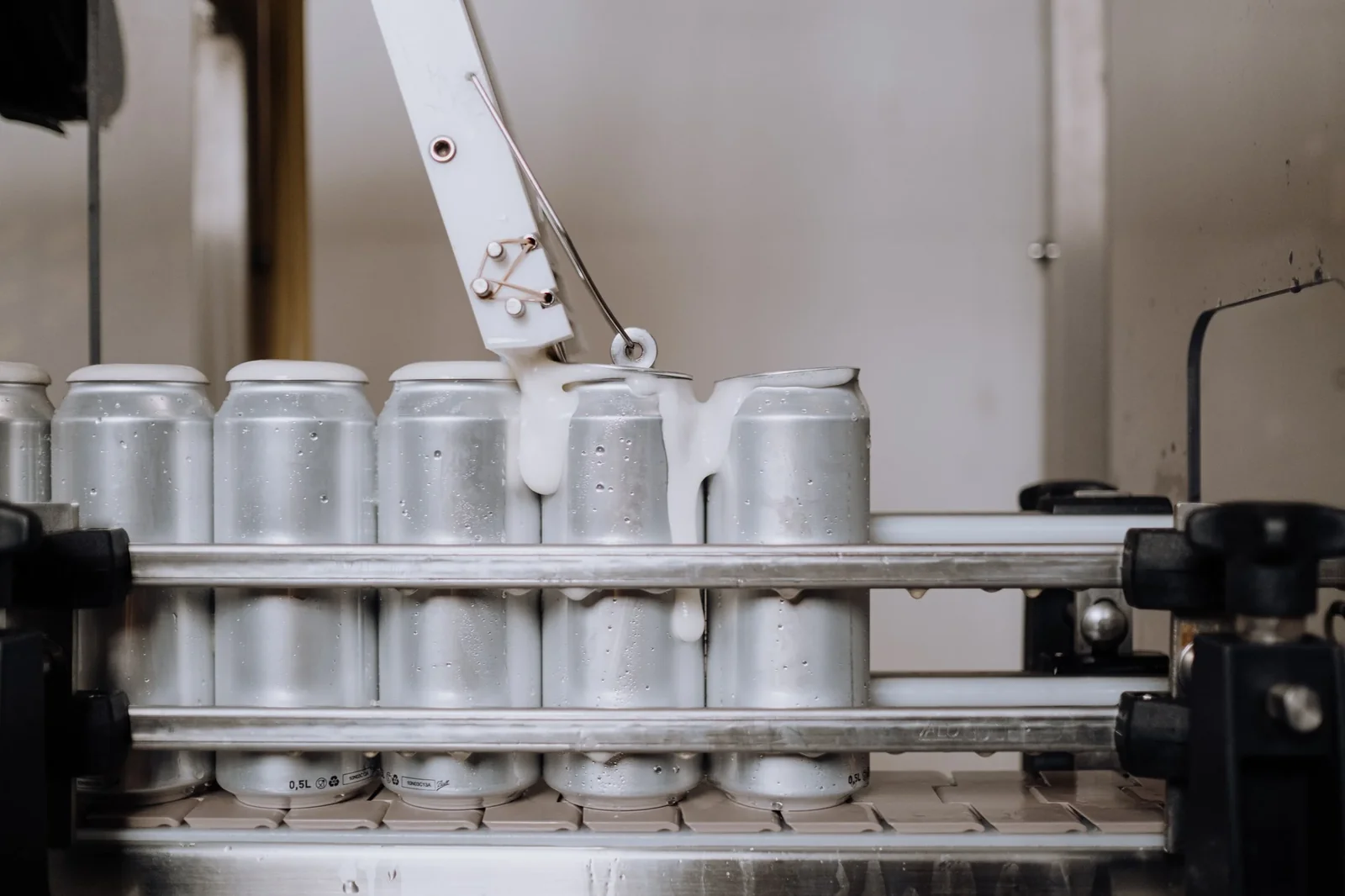
“Digit has given us the insight into current and upcoming stock on our ingredients and raw materials needed for production. This allows us to procure more before we stock out and to be confident that we have enough to finish any upcoming production run.”
Adam Davis
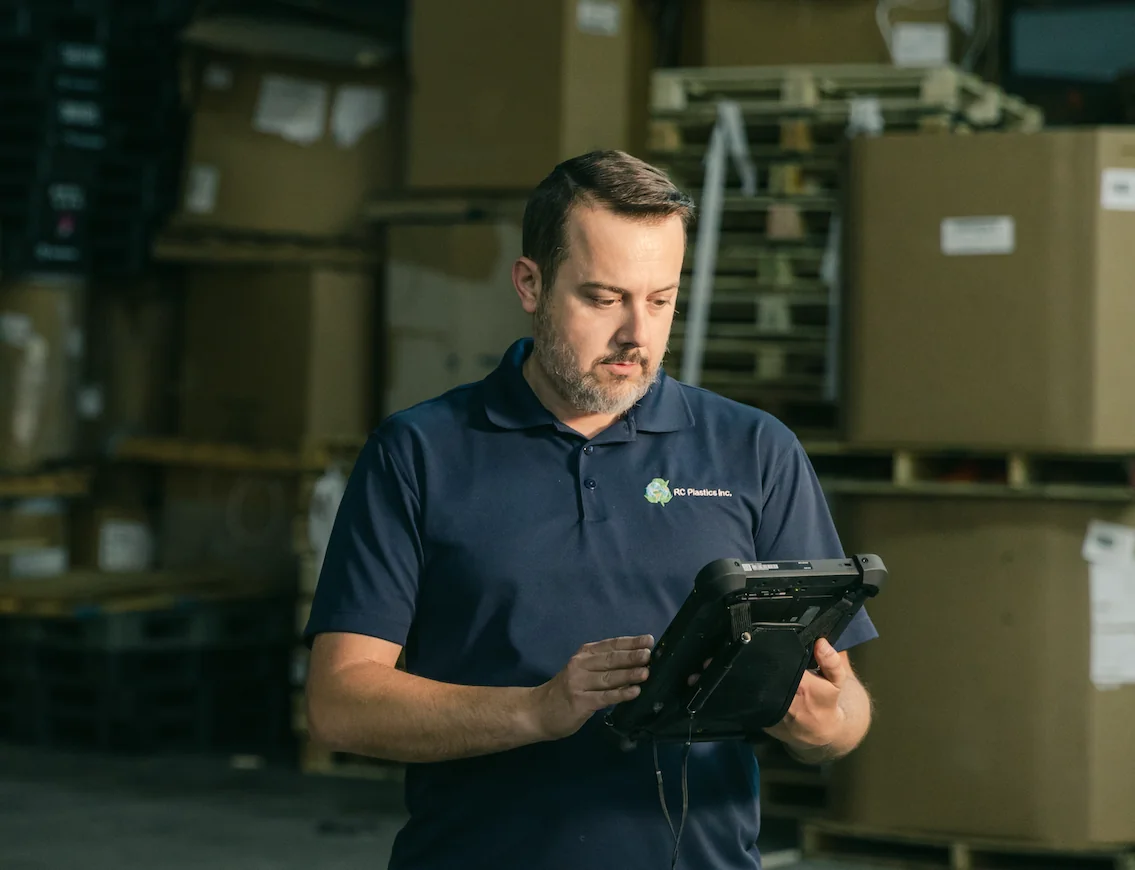
"Digit is the most adaptable, user-friendly software we have ever used."
Joe Watkins
%2520(1).webp)
"With Digit, everything from our inventory to our production data is the word of truth. I can trust it. I can rely on it."
Joshua Burris


Your most frequently asked questions, all in one place. If you don’t see what you need, reach out to us.
Yes. Digit tracks every lot or batch across suppliers, inventory locations, and finished goods. You can view where each lot was received, used, or shipped and link it directly to production and sales records.
Yes. Digit maintains full traceability even across multiple sites or third-party facilities. Every transaction is linked, ensuring you always know where each lot or container is stored and how it’s being used.
Yes. Digit’s traceability tools are built directly into purchase, inventory, and manufacturing workflows. When you receive materials, start a production job, or ship finished goods, the system automatically connects those records to their corresponding lots.
A traceability system records each step in the material and product lifecycle. When materials are received, manufactured, or shipped, their batch or serial numbers are linked to transactions automatically. Digit connects this data across procurement, production, and sales, so you can follow any item’s path in seconds.
Digit makes it easy to track every product from start to finish. Each item, batch, or container gets its own code, like a barcode or serial number. As products move through the workstations and warehouses, Digit automatically records details such as where materials came from, when items were made, who worked on them, and where they were sent.
All this information stays in Digit, so teams can see what’s happening in real time across the entire business.
If something goes wrong, you can use lot traceability software to find all of the affected products and nip any potential problems in the bud before it becomes something bigger or, even worse, triggers the need for a product recall. Having a proper system implemented means having a real-time view so you can improve the quality of your products, follow safety rules, and keep your customers protected.
Traceability software helps companies handle product recalls quickly and effectively.
It keeps detailed records for every product, from raw materials to finished goods, so teams can find the exact batches that might be affected. Instead of recalling every product, companies can pull only the items that are linked to the problem.
The traceability system will show you where each product is and who received it. This makes the recall process faster and cuts down on mistakes that can happen when tracking by hand. It also helps find where the issue began, such as a supplier, material, or a step in production, so the problem can be fixed and stopped from happening again.
By keeping all information in one connected supply chain traceability software, it makes recalls faster, safer, and more organized. This protects both customers and the company’s reputation.
Traceability software is important in industries where safety, quality, and rules are critical.
It helps companies track materials, parts, and products through every step of production and delivery, giving them full visibility and control.
Here are just a handful of industries that need traceability software:
Automotive, aerospace, and defense companies: Use it to confirm that every part meets strict safety and quality standards.
Forward and backward traceability are two ways to track a product through its life.
Forward traceability means you start at the beginning and follow the product to the customer. For example, you can track a batch of raw materials as it goes into production, gets packaged, and is sent to stores. This helps you see where products end up, confirm deliveries, and quickly recall certain items if a part or ingredient is found to be bad.
Backward traceability works the other way. You start with a finished product and trace it back to where it came from. For example, if a customer reports a problem, you can follow that item back through packaging, production steps, and the batch of materials used. This helps you find the cause fast, like a broken part or a mistake in the process.
Both directions are important. Together, they give the manufacturer or auditor a clearer understanding of what an item has been through. The best supply chain traceability software can trace forward to protect customers and trace backward to find and fix problems at the source.
In Digit, both lot tracking and serial number tracking are features that you can take advantage of to help you trace products through manufacturing, storage, and shipping. However, if you want or need to use one, that is something entirely different.
Lot tracking follows a group of items made together in the same batch.
Every product in that batch shares one lot number, useful for industries like food, chemicals, and pharmaceuticals, where you need to track expiration dates, manage recalls, or check product quality.
Serial number tracking gives each item its own unique code. This method of inventory tracking is used for high-value products or those that are complex to build or manufacture, such as electronics, machines, or medical devices, where each sub-assembly, part, or component must be trackable.
Serial tracking helps manage repairs, warranties, and service records.
Digit supports both, so it’s easy for you to choose the level of traceability that best fits your particular operations and processes.
Traceability software is a tool that is designed to help companies track where their materials came from, how they are made, and where they go after production.
It records every step in the process of manufacturing a final product, from raw materials to finished goods, so you have a full understanding of a product’s history. Having traceability software in place means you can trace materials through the supply chain to confirm quality and meet safety rules. If there is a problem, you can quickly find which batches or items are affected and fix the issue fast.
Product traceability software also helps with compliance by keeping accurate records for audits and inspections. It improves quality control, reduces waste, and builds trust with customers because you can prove that products were made and handled correctly.
Traceability helps you maintain compliance, manage recalls, and verify product quality. With Digit, you can track supplier batches, record quality inspections, and prove exactly which materials went into each finished product. This protects your brand, reduces waste, and keeps customers confident in your process.
Traceability matters because it helps you make safe, high-quality products and run a smoother operation.
Traceability allows you to follow materials and parts from suppliers to the final goods you ship out to the customer. This clear record helps teams spot problems early, fix them as soon as possible, and prevent them from happening again.
Here are some of the important points of using a batch traceability software:
Strong traceability builds trust: Customers and partners feel confident when you can show a clear product history and act quickly if issues arise. It proves your commitment to safety and quality.
