

What Is Food Recall Management?
Food recall management refers to the process of identifying food products that are unsafe, contaminated, or mislabeled, and performing a series of actions to remove them from circulation to protect your:
- Consumers
- Brand's reputation
- Business from financial damage
- Business legally
For food recall management to be effective, you will need to implement end-to-end traceability within your business.
Having this system will help you understand where your ingredients came from and where your products were distributed, as well as which operational steps your items went through. With this information readily available, you can pinpoint exactly which batches have been affected when a problem arises, and follow the appropriate steps, such as disposing of the batch and notifying both customers and food safety authorities.
Why Do Food Recalls Happen?

A food recall can happen for a number of reasons, from minor issues such as a misprint to something a lot more serious, such as contamination.
Food recall management starts by being triggered when a problem is noticed that either poses a risk to the public's health or does not follow food safety regulations. And this can be initiated either internally if you happen to notice a problem, or by a third-party, such as a supplier or a regulatory agency.
Here are three main reasons why food recall management has to be triggered.
1. Undeclared Allergens
The most common reason for food recall management is undeclared allergens.
According to some reports, undeclared allergens are the main cause of recalls in CPG distribution, accounting for 26–34% of all cases in 2024–2025 (though most sources online suggest it’s closer to half). Undeclared allergens usually result from human error, such as applying the wrong label to a product or accidentally cross-contaminating products by handling both allergen-containing and allergen-free products.
2. Bacterial Contamination
One of the more serious reasons for having a food recall plan in place is due to bacterial contamination.
Bacterial contamination can lead to widespread illness and even death if contaminated by serious pathogens such as Salmonella, E. coli, and Listeria monocytogenes. Contamination like this usually occurs through things such as:
- Contact with animal or human waste
- Contaminated water
- Unsanitary processing environments
Thankfully, due to technological advances in outbreak detection, including whole-genome sequencing by the CDC, it is becoming easier to identify and trace contamination.
3. Physical Contamination
Finally, we have physical contamination, which means a foreign object has made its way into the food product.
Although less common, in manufacturing, there’s a lot of opportunity for this to occur in the form of:
- Metal fragments from worn machinery
- Shattered glass from bottling lines
- Plastic pieces from packaging equipment
So, it doesn’t have to be something big like someone's glasses falling into a big vat of soup — it can be natural wear and tear during the manufacturing process. What’s scary about this type of contamination is the risk of it leading to choking or internal injuries.
FDA Recall Classes Explained
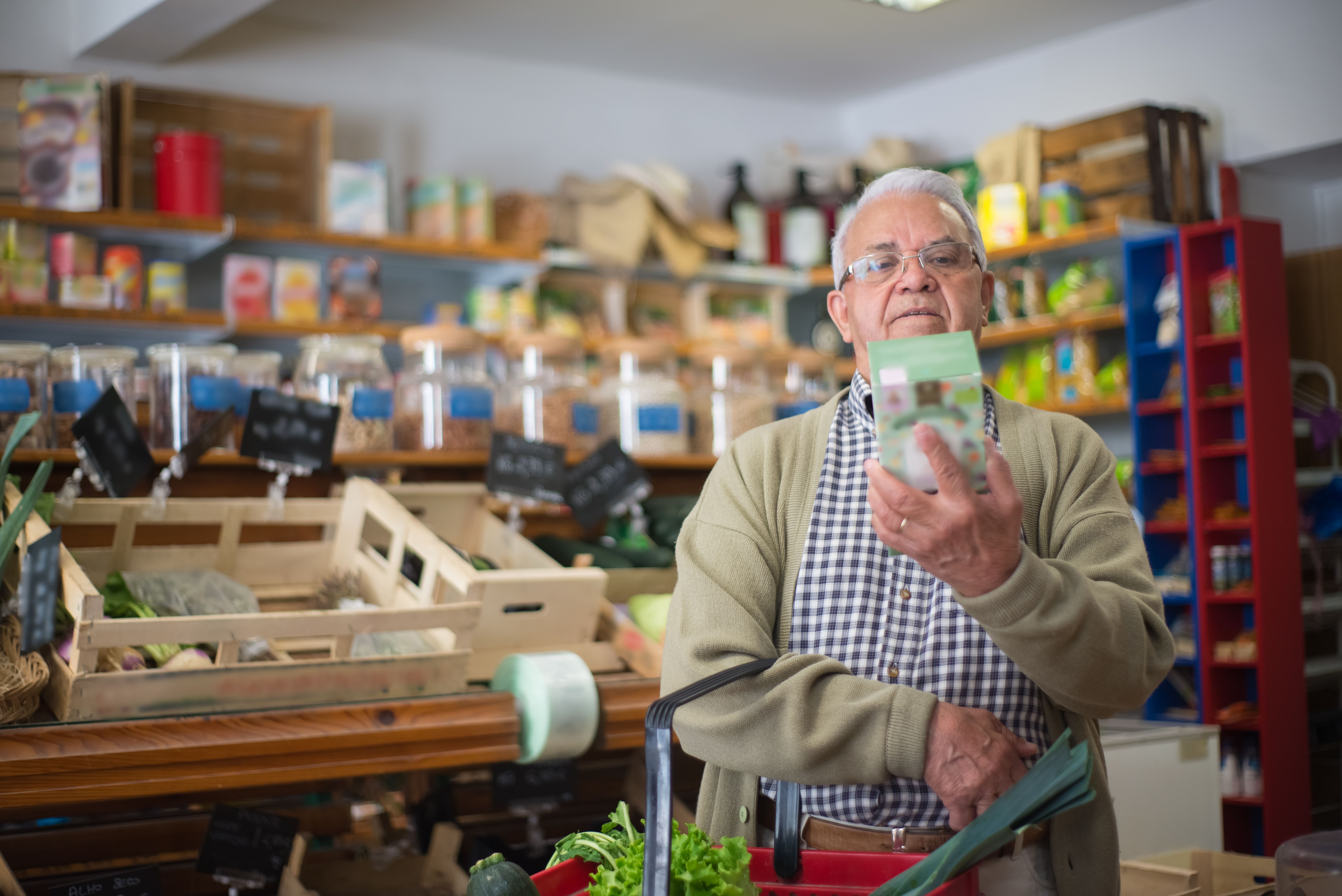
As you can probably already gather from the previous section, not all food recalls are treated equally due to their severity.
Because of this, the FDA categorizes all recalls into one of three classes based on how hazardous the problem is. Within each class, this dictates how quickly a recall must be conducted and how extensive it must be.
Class I: Highest Risk
In food recall management, a Class I recall is the most serious designation you can receive — meaning the probability of being exposed to the affected product will lead to adverse health consequences or death.
A Class I recall can come about from any of the three reasons we listed earlier (undeclared allergens, bacterial or physical contamination). Whatever the reason behind the classification, a Class I recall demands:
- Immediate action
- Broad public notification
- Intensive FDA oversight
Class II: Moderate Risk
A Class II recall is assigned during food recall management when the product in question could cause temporary or medically reversible harm, but the probability of a serious consequence occurring to someone exposed to the product is remote.
Because the product is unlikely to cause serious harm to anyone, these recalls aren’t as urgent as a Class I recall, but will still require a structured response and clear communication from the company performing the recall.
Class III: Lowest Risk
Class III carries the lowest risk, usually being triggered because a product violates FDA regulation, and is very unlikely to cause any adverse health consequences.
A Class III recall can be assigned for things like:
- Minor labeling errors
- Packaging defects
- Technical manufacturing violations
The Step-by-Step Food Recall Process
.jpeg)
So, when it comes to food recall management, you need a food recall plan in place to methodically and quickly resolve the issue the moment a food safety issue is confirmed.
And to perform a product recall properly, you’re going to need to follow several steps precisely (from identification to confirming that the issue has been resolved). Here are six steps to get the job done.
Step 1: Investigation and Identification
The first step is figuring out what you're dealing with.
You’ll do this by gathering all the information you need to start immediately quarantining any affected stock that is still in your inventory to stop more products from making it into circulation. The data you will need is anything that will help with identification, things like:
- Names
- UPCs
- Batch numbers
- Lot codes
- Expiration dates
Step 2: Risk Assessment
Once you understand what products and batches have been affected and you have a clear scope of the issue, the next step is to collaborate with the relevant regulatory authorities to perform a health risk assessment on the issue.
The purpose of this assessment is to determine the recall classification, which will dictate the urgency and depth of the response required to tackle your food recall management.
Step 3: Regulatory Notification
Once a recall decision has been made and a classification assigned, the next step is to contact the appropriate food safety authorities.
If you’re in the United States, this will be either the FDA or the USDA, based on the product in question. Whoever you need to contact, the sooner you can do this, the better, as they will help:
- Align on the recall strategy
- Define its scope
- Avoid the risk of a costly dual investigation if the wrong agency is contacted first
Step 4: Communication and Public Notice
With all the regulators made aware and recall plans in place, it’s now time to inform everyone in your supply chain and issue a public notice in case products have reached customers.
You’ll need to speak with anyone involved with distributing your products (food distributors, wholesalers, and retailers) so they can pull them from their shelves as soon as possible. And in the event products have been purchased by consumers, it’s time to let them know by posting warnings via:
- Press releases
- Media channels
- Official regulatory websites
Step 5: Product Removal and Disposal
With everyone who needs to be notified clued in on what’s happening and what to do if they have products in their possession, the next steps are to coordinate the safe:
- Retrieval
- Destruction
- Reprocessing of all recalled units
If you have retailer partners who have the affected product in stock, they should be blocking the sale of any more products. Because of this, you should protect your business by maintaining a detailed chain of custody record throughout your food recall management process, so you can prove to regulators that you handled the recall properly should the retailers still be selling products at this point.
Step 6: Effectiveness Check and Root Cause Analysis
Now we reach the final step — with all products safely and quickly dealt with, it's time to track how many products were successfully removed from the market and document the results.
During this stage, it’s important to conduct a root cause analysis to determine what triggered the recall and where it originated. Once you have identified this, you can put corrective measures in place to prevent it from happening again.
And there you have it! Everything you need to do and follow to ensure that your food recall management process is safe and effective.
However, creating plans and contingencies is great to do to get ahead of any problems. But even the most well-thought-out plan is destined to fail if the proper tools aren’t in place to track and automate your food recall procedure. The best way to be ready for a recall is to have proper lot traceability in place.
But what is it and how does it work?
How Lot Traceability Determines How Fast You Can Execute a Recall
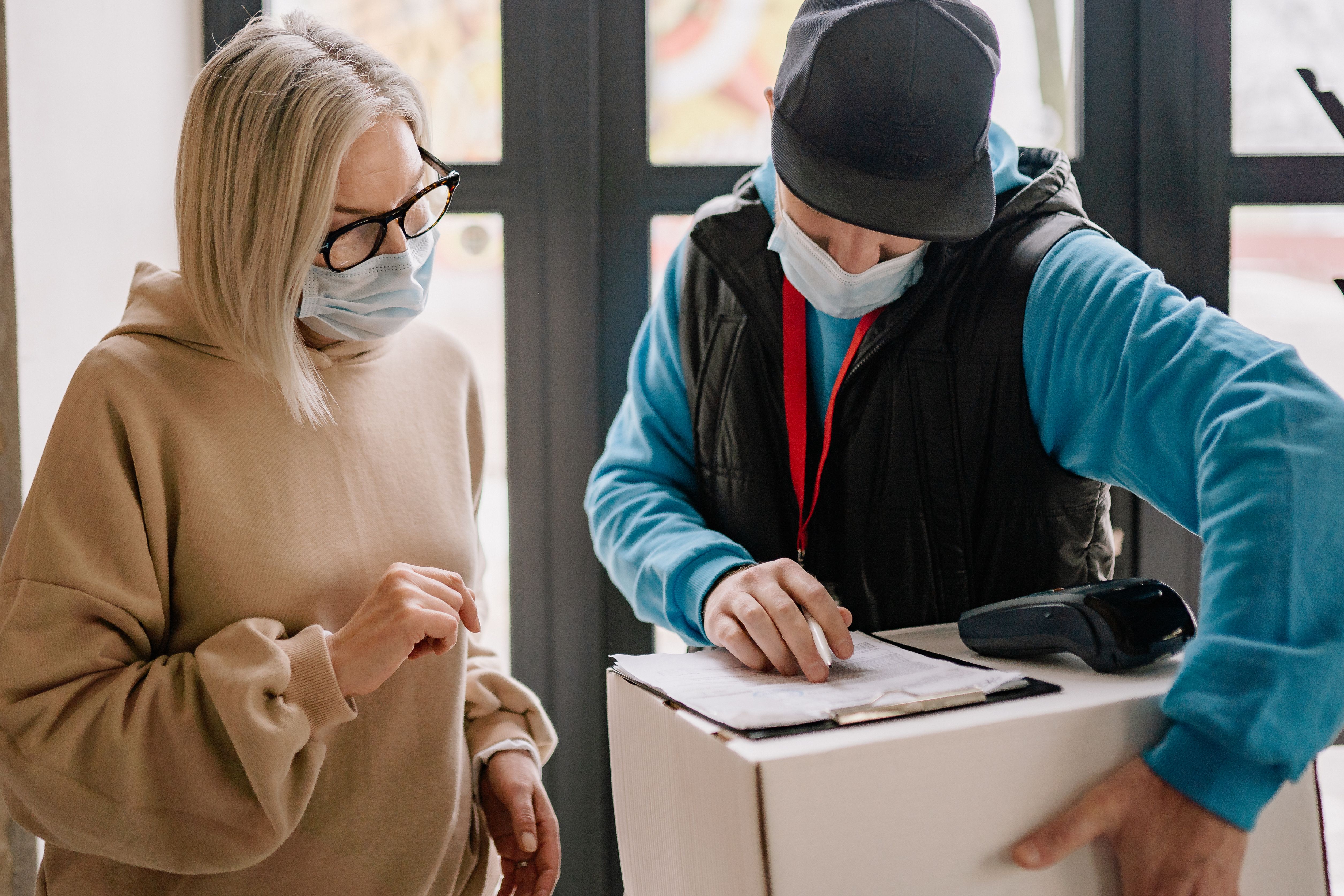
If the worst-case scenario happens, such as a quality defect or a regulatory alert being triggered, you are immediately against the clock.
The first few steps we outlined earlier in the article, the difference between taking a few hours to several days to complete all comes down to the type of lot traceability system you have in place. Forget pen and paper or spreadsheets — for a system to work best, you will need to rely on software.
Here are the three capabilities you need to look for in a solution.
1. Backward Traceability
Let’s say you’re contacted by one of your suppliers who explains that there’s a problem with one of the ingredients that they sold you, you’re going to need to figure out which finished goods that raw material was used in.
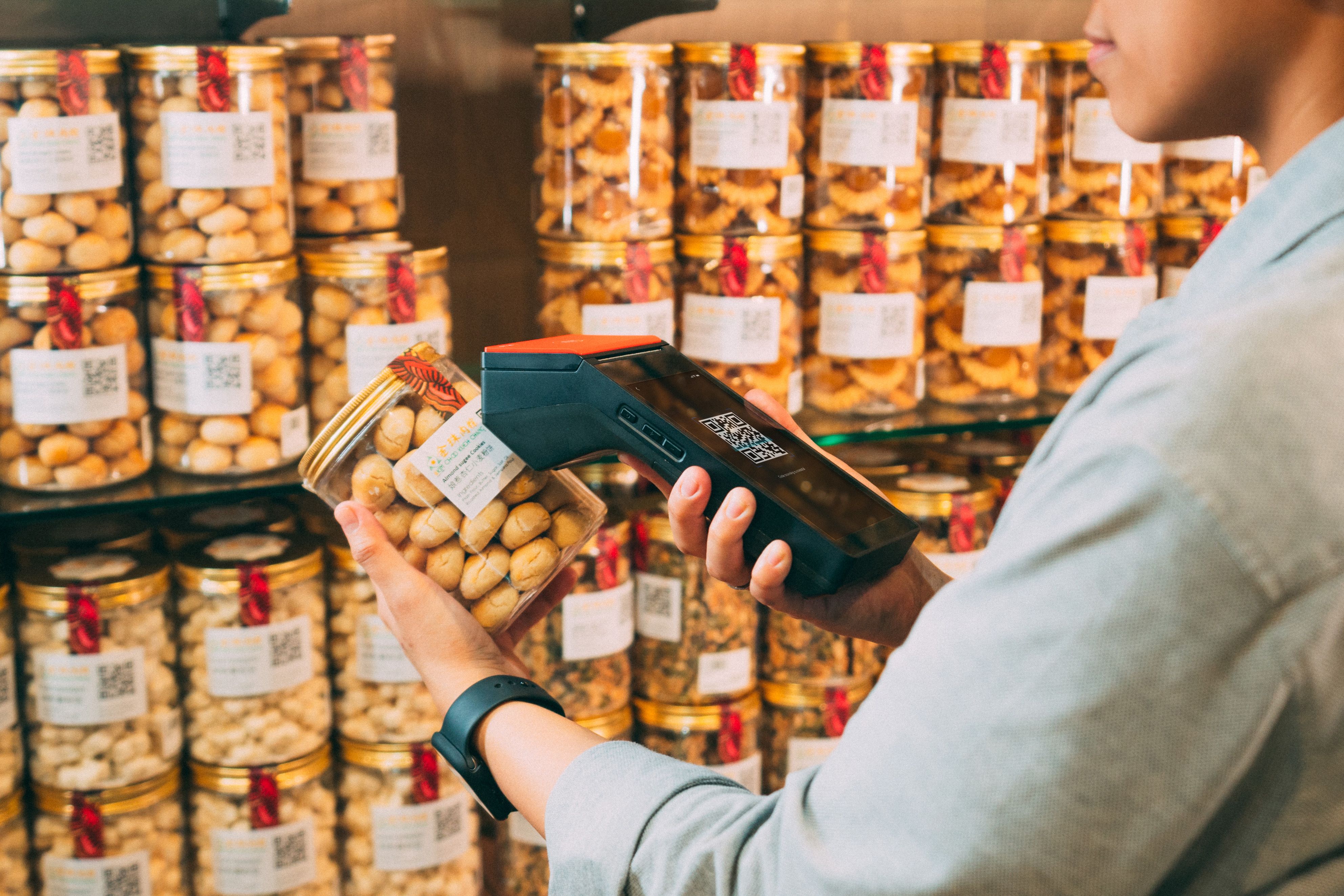
To do this, your system will need to support backward traceability. What this does is help you map a path from the raw materials received through to the operational steps it was used in and the finished goods it was used in. If you implement a system that has barcode or RFID scanning embedded into receiving or production workflows, then you will be able to track the route it went through relatively easily.
2. Forward Traceability
In a scenario where a defective batch has been identified by someone internally or via a customer complaint, forward traceability will help you see who currently has ownership of any affected batches.
What forward traceability does is look the other direction along the supply chain, following the path a finished product took as it passes through:
- Distributor
- Retailer
- End customer
A good system can do this automatically by checking shipping logs and electronic proof-of-delivery records to help you generate customer notification lists so you can reach out directly to anyone with the product (as opposed to a mass blanket communication, worrying customers who don’t need to worry).
3. Real-Time Lot Quarantine
Throughout this entire article, we’ve focused mostly on how to find affected batches and not touched on what to do to stop affected products from moving further along your supply chain.
Using a tool such as ERP manufacturing systems allows QA teams to flag a lot as blocked the moment it is identified, automatically preventing it from being picked, shipped, or transferred across both internal warehouses and 3PL networks.
This eliminates the window between identifying a problem and containing it, which in manual systems can be long enough for additional product to leave the facility.
Why the Underlying Data Architecture Matters
A lot number is only as useful as the records attached to it.
Full lot traceability means that attached to every batch identifier is a retrievable history:
- Supplier details
- Receiving records
- Quality test results
- Production usage
- Storage location
- Shipment data
- Customer delivery records
Businesses relying on spreadsheets and paper logs often spend days reconstructing this history when a recall begins.
When traceability is embedded into daily workflows at the point of receiving, production, and shipping, that same reconstruction becomes an instant query, and your food recall management process can begin immediately.
That’s why it’s extremely important to find a tool that is able to help you store and maintain all the information listed above, so in the unfortunate event that a recall is triggered, you have all the data you need to begin resolving the problem immediately.
If you’re looking for a solution to help you level up your food recall management, then we recommend checking out Digit.
Pro tip: If you would prefer to look around and compare food traceability software for managing food recall processes, then we recommend checking out our article: The 7 Best Food Traceability Software in 2026.
Managing Food Recalls with Digit
Digit is a manufacturing ERP built for food and beverage manufacturers that connects purchasing, inventory, and production into a single system, with end-to-end lot traceability enabled so you can effortlessly track every single item in your business.
Every ingredient is tracked from the moment it arrives, through production, and out to the customer, with barcode scanning recording movements in real time and keeping the full history of each batch retrievable on demand. When a recall situation arises, a coordinator can identify affected lots, trace their distribution, and pull the documentation regulators require without digging through disconnected records or manually reconstructing a paper trail.
Got any questions about how food traceability software like Digit works, or would you like to see how it can be implemented and used in your specific workflows to improve your food recall management? Then head over to Digit and book a call, and we’d be more than happy to take you for a personalized tour.