

What Is Product Recall Management?
Product recall management is the process of identifying products that have been affected by an issue in the supply chain and coordinating efforts to locate and retrieve said items for repairs or disposal, as well as addressing the issue that caused the problem in the first place.
A recall can be triggered voluntarily by any business in the supply chain (suppliers, manufacturers, distributors, or retailers) or initiated by external regulatory agencies such as the FDA or the Consumer Product Safety Commission if they believe public safety is at risk. A recall can be triggered for a number of reasons, and essentially any type of product can be recalled. These processes are most typical for industries such as:
- Food manufacturing
- Pharmaceuticals
- Medical equipment
- Chemical manufacturing
- Automotive products
Product recalls, although necessary to keep consumers safe or to repair damaged goods that were the result of improper manufacturing, can have major ramifications, such as:
- Financial costs
- Legal exposure
- Reputational damage
Types of Product Recalls: Class I, II, and III
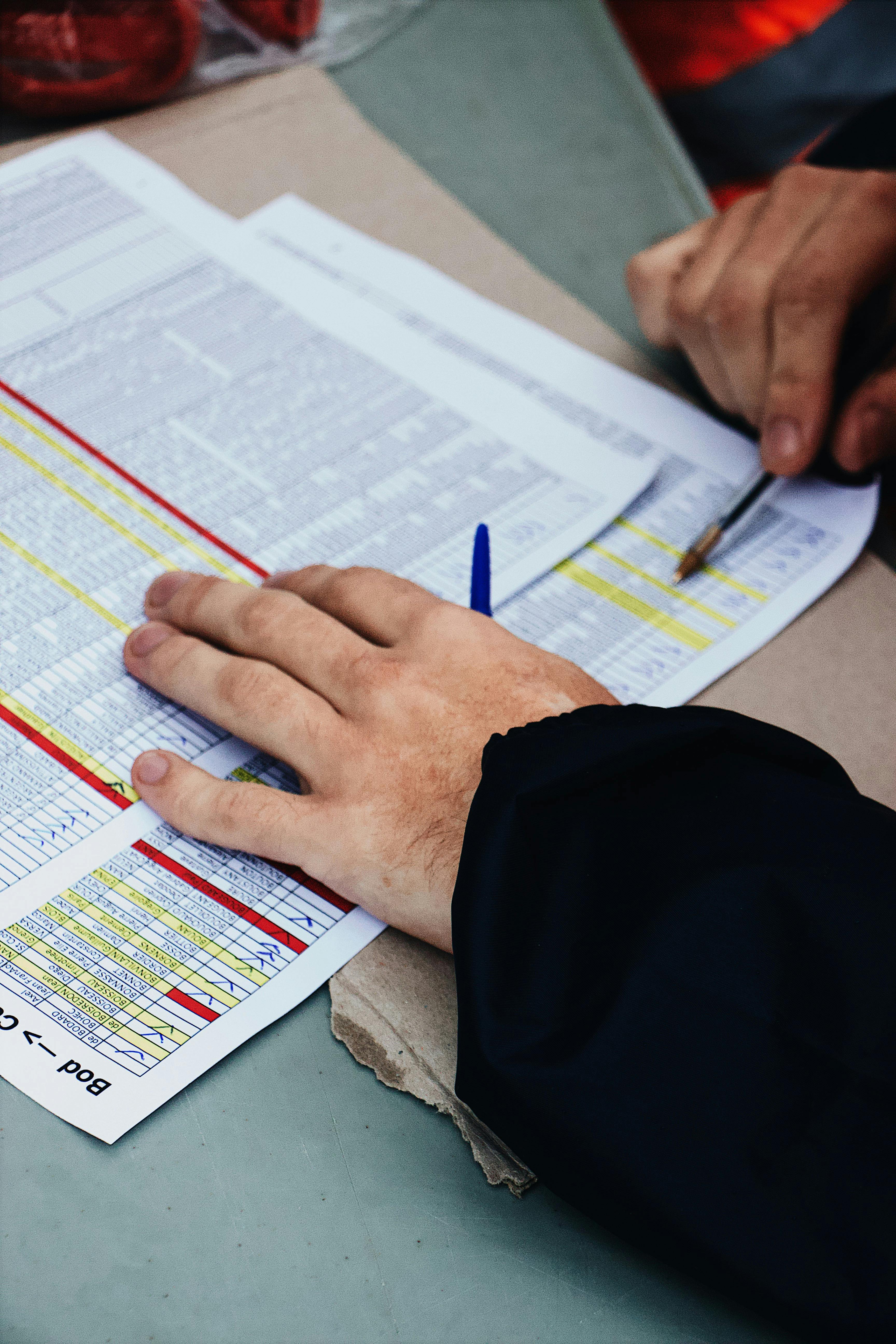
As you can imagine, some recalls are triggered for serious reasons, while others may not require so much urgency.
For this reason, the FDA classifies recalls into three tiers based on the health risks posed to the public, and based on the level of that risk, a recall will be classified to define just how quickly and aggressively a company must act.
Class I
A Class I recall is the most serious of the three designations.
If a recall is Class I, it means that exposure to the affected product is very likely to cause serious harm or death. For example, this could include products like:
- Food contaminated with Salmonella or E. coli
- An undeclared allergen, such as nuts in food or latex in clothing
- A defective life-sustaining medical device
These recalls likely seem the most familiar given their widespread reporting when it happens, but if you’re paranoid, you might be glad to know that only about 5-15% of recalls are designated as Class I.
Class II
Class II is designated to the products that could cause temporary or medical harm, but the chance of it being serious or life-threatening is low enough to be considered remote.
This is the most common classification, making up for about 40-70% of recalls (depending on the industry). For a Class II, during a recall, customers can be asked to return the product, or they can even be advised to continue using the product, but to do so with caution.
Think of a time you purchased something that had a little yellow caution sticker on it, which could be there because the solution for that particular problem was to warn and educate customers, rather than discontinue the product. Like laser pens. Nothing is stopping you from shining it in your own eyes, other than being told it’s extremely ill-advised to do so.
Class III
Class III means a product is unlikely to cause any health effects, but it has failed some sort of compliance.
This can range from label misprints to damage to packaging. These recalls are more likely to be initiated by the manufacturer, receiving little media attention or government intervention. One thing that is worth quickly clarifying, whether a recall is voluntary or mandatory, has no bearing on classification. A Class I recall can be triggered voluntarily, but it may be escalated to a mandatory recall if the company's handling of the recall is deemed insufficient or risk to the public grows.
For example, the Takata airbag controversy. To cut a very long story short, Takata engineers flagged safety concerns over their airbags, which executives ignored and even covered up to save on costs, leading to one of the largest product recalls in US history. At least 35 people died before the National Highway Traffic Safety Administration (NHTSA) triggered a recall.
Step-by-Step Product Recall Process
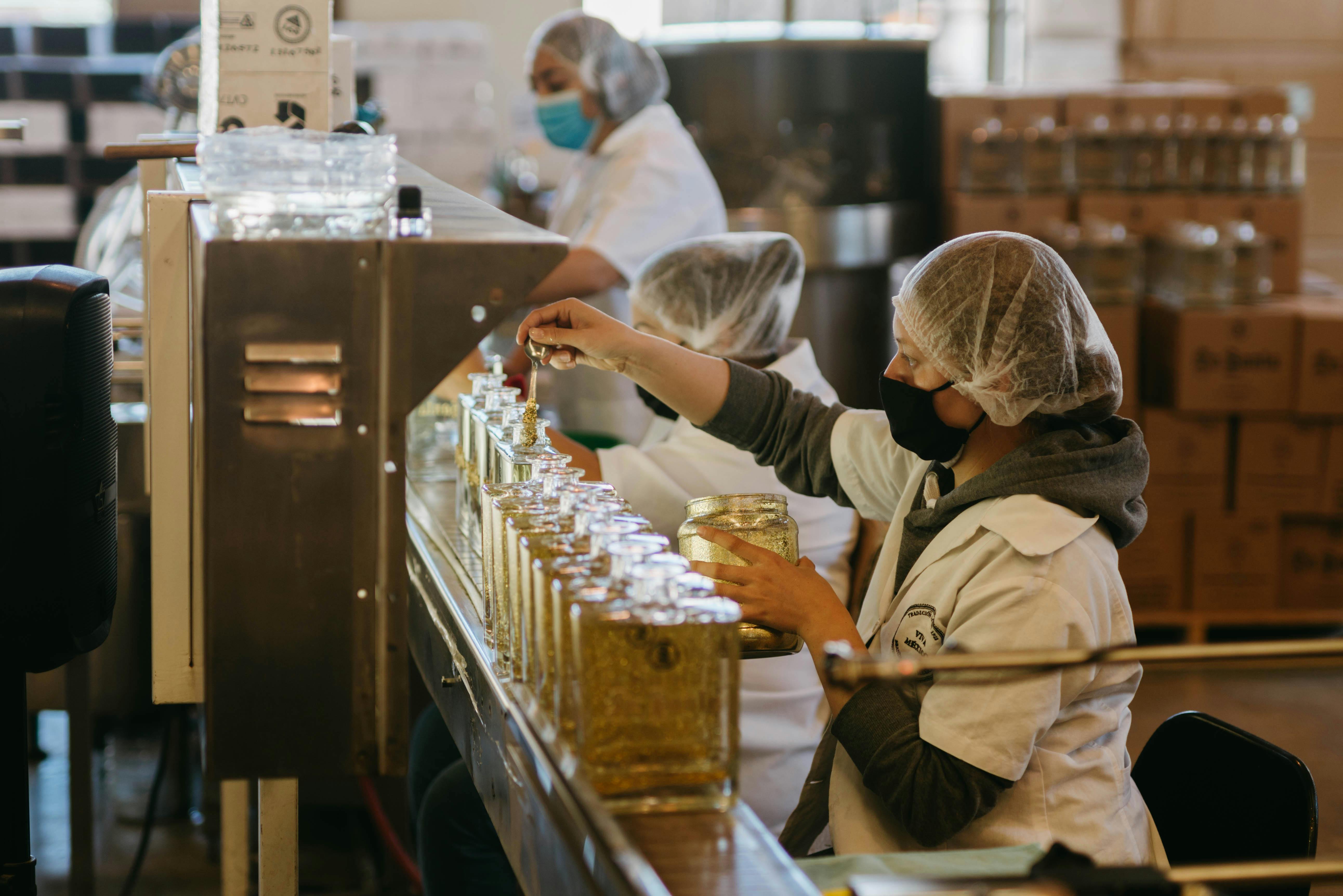
As much as you should be trying to avoid this as much as possible for the sake of your profit margin and reputation, that doesn’t mean you shouldn’t be ready to sprint into action in a worst-case scenario.
For your product recall process to be done quickly and efficiently, you’re going to need to follow a sequence of actions, from discovering the problem to rectifying everything with regulators. Even though every recall is different, and the severity of the issue can be life-threatening or slightly inconsequential, following these steps below is going to help you make the most out of a bad situation.
Step 1: Assemble a Recall Team and Plan
First, and not to sound like a response straight from ChatGPT, take a deep breath and don’t let panic take over.
The first step is to set up your internal recall team, which can all represent different functions of your business and collaborate across the entire business. That means forming a team of individuals from (it also doesn’t hurt to think of a B team in the event individuals are unavailable):
- Quality assurance
- Legal
- Operations
- Communications
- Logistics
With your team assembled, you will also need to assign a recall coordinator with the authority to make fast decisions and serve as the primary point of contact with regulators and company leadership.
Pro tip: You can do this now. Get ahead of any problems and already have product recall management roles defined, so if a recall needs to happen, everyone knows their responsibilities and can get to work.
Step 2: Investigate and Identify Affected Products
The metaphorical big red button has been pressed, you’re at DEFCON 1, and your team is ready to get to work — the next step is to figure out what happened, what products are affected, and where the products are.
Your team can start investigating and understanding the full scope of the issue by reviewing:
- Production records
- Batch and lot numbers
- Distribution logs
- Supplier data
Pro tip: Your system for recording and tracking all this information is going to dictate the difficulty level at this stage. Traceability systems are critical here and are covered in detail in the next section. If you’re using traceability software, you’re going to have a much easier time. If you’re doing everything manually, it’s going to take a lot of elbow grease (and prayers).
Step 3: Assess Risk and Classify the Recall
Once your team understands the scale of the problem, the next step is to perform a risk assessment to determine how hazardous these products are to the public and label the recall as Class I, II, or III.
Based on that classification, you’ll know how urgent your response will need to be.
Pro tip: You can already learn and document the classifications internally, so this decision can be made sooner. You can read all about the classification definitions here.
Step 4: Notify Regulatory Authorities
Depending on your product and industry, at this stage, it is required to report the issue to the regulators within a certain timeframe of identifying the problem:
- The FDA
- CPSC
- NHTSA
At this stage, the relevant agency will give you a product recall plan. However, if you wish to protect your reputation and initiate the product recall as soon as possible, some agencies allow you to fast-track your report.
Pro tip: You will pay, but not paying for the fast-track risks the problem persisting for a longer time and comes at the cost of your reputation.
Step 5: Stop Production and Distribution
Problem understood and report submitted — regardless of what the regulators' response will be, it’s time to get the recall underway.
This is the time to halt production and distribution of the affected products. Any of the products that are still in your inventory will need to be separated from unaffected stock and quarantined. If affected products have already left the warehouse, then you should notify all partners so that they can isolate it on their end (which ties in nicely with the next step).
Step 6: Notify Stakeholders and Consumers
Now comes the most essential part for mitigating brand damage, and that is your communication strategy.
You will need to notify anyone who is likely to be affected by the product recall, like your:
- Suppliers
- Distributors
- Retailers
- Customers and clients
The method in which you do this and the scale of the outreach all depend on the classification of the product recall. Regardless of whether you decide to do a press release, social media post, or give out notices at point-of-sale (or all three), you’re going to want to give information out so people know if they have an affected product and what to do with it. You should be giving out:
- Product details
- Lot numbers
- Clear instructions on what to do
But don’t publish it immediately, as Regulatory bodies such as the CPSC must approve recall messaging before it is released to the public.
Pro tip: Other than it being just the right thing to do, doing this as soon as possible (even before all the facts are confirmed) is going to help you get ahead of the backlash and signal to everyone that you have things under control and are doing everything in your power to keep them safe.
Step 7: Collect, Document, and Dispose of Affected Products
Now that everyone has been notified, we can get down to the nitty-gritty retrieval part of the product recall process.
At this stage, you’ll perform your product traceability and decide whether products need to be returned. You can determine what to do with them once they arrive, because based on the seriousness (and the costs), you can:
- Repair the product
- Reprocess the product
- Dispose of the product
Some of the regulators may require that the products be held for a period of time for testing before disposal may be permitted. The reason for this is to determine the manner in which the products should be disposed of.
Step 8: Conduct a Root Cause Analysis
Threat contained, well done!
But now we need to figure out exactly what caused the problem in the first place. Your team can now start to investigate the root cause, drawing from the data gathered earlier, looking into things like:
- Supplier defect
- Processing error
- Packaging oversight
- Something else
The purpose of this stage is to understand what happened and what can be done to avoid this problem from happening again in the future, such as:
- Supplier changes
- Process redesigns
- Equipment upgrades
- Updated staff training
Step 9: Report, Close Out, and Review
Now we know what happened, we have fixed the issues, and we've established the next steps to avoid this from happening again in the future — the next step is to wrap up the product recall process.
You will need to send a final report to the regulatory authority confirming that the recall is complete and that the corrective actions proposed by them have been actioned.
Then it’s time to sit with your product recall team for a debrief to evaluate:
- What worked
- Where bottlenecks appeared
- How the process can be improved
Pro tip: Alternatively, you don’t have to wait for a worst-case scenario to happen. During downtime, conduct mock recall drills with your team to assess your preparedness for a real event.
How Traceability and Lot Tracking Software Speeds Up Recalls
.jpeg)
Traceability software creates a connected, searchable record of every material and finished product throughout its lifecycle.
It links supplier deliveries to production runs, production runs to finished goods, and finished goods to outbound shipments, so that any batch or lot can be located and accounted for at any point in the chain. Each material's lot or serial number remains tied to its source, quantity, movement history, and destination, providing teams with an auditable trail that supports not only recalls but also inspections, compliance reporting, and quality investigations.
Teams that rely on spreadsheets or disconnected records often find themselves unable to quickly determine which batches were affected, where they went, or who received them, forcing broader and more disruptive responses.
A well-implemented traceability system enables a recall coordinator to quickly isolate affected inventory, generate accurate contact lists for downstream notification, and produce the documentation regulators require, all from a single system. The result is a faster, more targeted response that limits both consumer harm and business disruption.
Want to get ahead of any potential problems and implement a traceability software? Try Digit for free, a manufacturing ERP solution with traceability features to help you easily track batches and items, so you can pinpoint issues, ensure quality output, and stay compliant without the headaches of manual entries.