%201.svg)


.png)

What Is a Food Grade Warehouse?

A food grade warehouse is a storage facility that meets specific regulatory, hygiene, and operational standards for safely receiving, storing, and handling food products intended for human or animal consumption. The term covers everything from ambient dry goods storage to refrigerated and frozen facilities.
"Food grade" and "food safe" are related but not identical. Food safe typically describes materials or surfaces that won't contaminate food on contact, a property of equipment or packaging. Food grade, in the context of warehousing, describes an entire operation: the facility design, the procedures, the people, and the documentation that together ensure product integrity throughout storage.
A food grade storage warehouse isn't just clean. It's systematically controlled, traceable, and audit-ready.
Food Grade vs. Standard Warehousing: Key Differences
Most general warehouses are built around efficiency, moving product in and out as fast as possible. Food grade warehousing adds a second constraint: safety. That changes the design of nearly every system in the operation.
The differences aren't just operational preferences. They're regulatory requirements. A warehouse that falls short in any of these areas isn't just inefficient. It's potentially liable.
Regulatory Requirements: FDA, FSMA, and GMP Standards for Food Storage
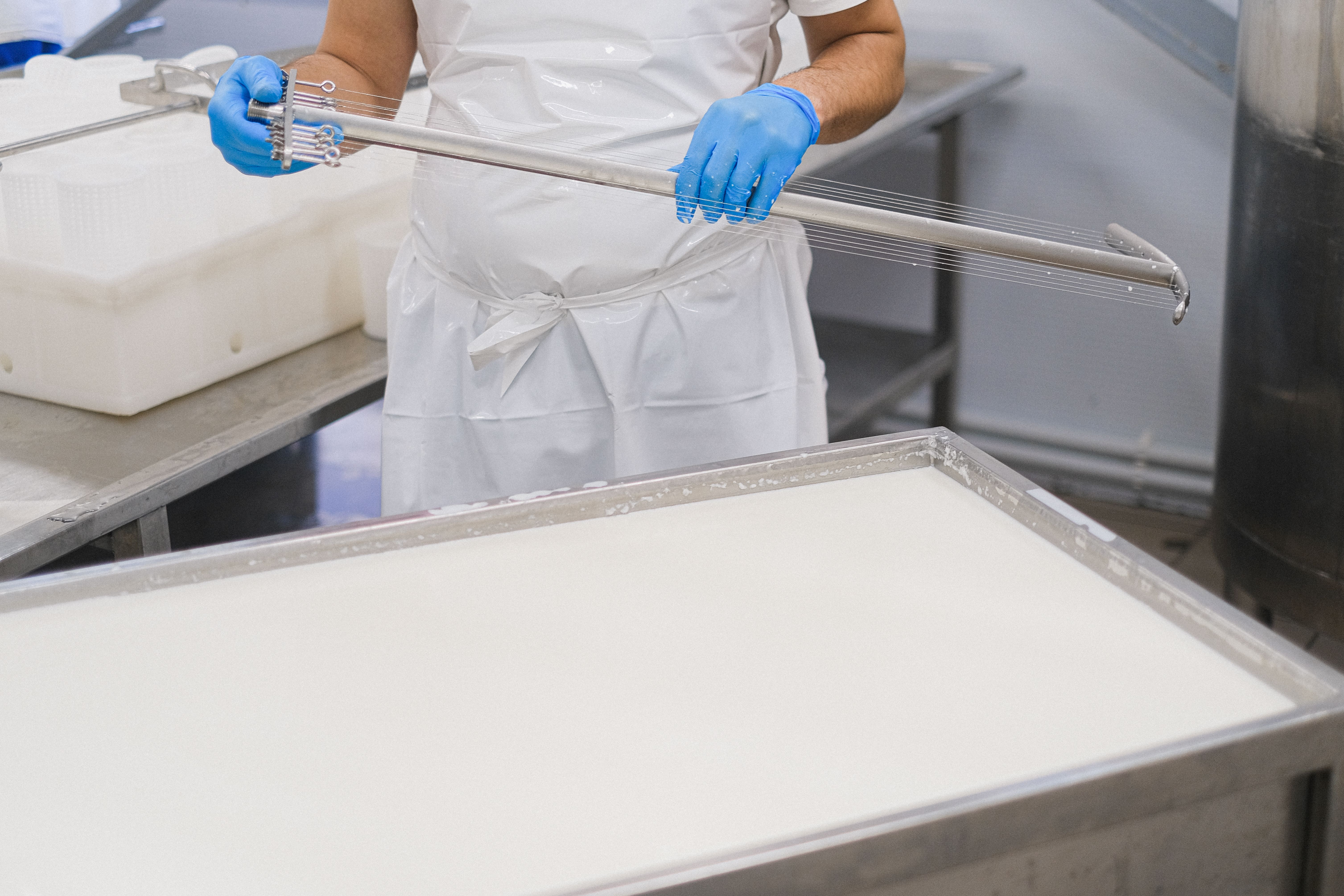
Food grade warehouse requirements in the United States are anchored primarily to two bodies of regulation.
The Food Safety Modernization Act (FSMA), enacted in 2011 and progressively enforced since, shifted FDA oversight from reactive food safety enforcement to prevention-based requirements. For warehouses specifically, the FSMA Sanitary Transportation Rule (21 CFR Part 1, Subpart O) governs how food must be transported and handled, placing obligations on shippers, carriers, and receivers. Warehouses that load or receive food shipments fall within its scope.
FDA Good Manufacturing Practice (GMP) standards (21 CFR Part 117) establish baseline requirements for facilities handling food, including requirements for:
- Maintaining buildings and grounds to prevent contamination
- Controlling sanitary facilities, equipment, and processes
- Training employees on food safety and hygiene
- Keeping adequate records
Beyond federal requirements, your facility may also need to comply with state health department regulations and third-party audit standards like SQF (Safe Quality Food), BRC, or AIB, depending on who your customers are and what certifications they require from their supply chain partners. International operations may also need to comply with HACCP, EU Regulation 852/2004, or country-specific food safety frameworks.
When you're making the business case internally to pursue food grade status, these aren't optional guidelines. They're the floor.
10 Steps to Become a Food Grade Warehouse
.jpg)
The transition from general warehousing to food grade isn't a single audit you pass once. It's a set of systems you build, document, and maintain every day. Here's the sequence that works:
Gap assessment. Walk your current facility against FDA GMP and FSMA requirements. Document what's missing. This is your project plan.
Facility upgrades. Address structural issues first: floor sealing, pest-proof entry points, drain covers, lighting levels, and appropriate wall and ceiling materials. Food grade facilities must be constructed to prevent contamination and allow thorough cleaning.
Build your sanitation program. Develop written cleaning schedules, assign responsibility, and begin logging every cleaning event with date, time, area, method, and employee.
Implement pest control. Engage a licensed pest management provider and establish an Integrated Pest Management (IPM) program. Document all activity, findings, and treatments.
Define your temperature zones and install monitoring. If you handle any temperature-sensitive products, map your facility into zones, install calibrated sensors, and set up continuous logging.
Establish your inventory practices. Implement lot tracking, define your FEFO (First Expired, First Out) procedures, and create allergen segregation protocols.
Train your team. All personnel handling food or working in food storage areas need documented food safety training.
Build your documentation system. Consolidate your records, including temperature logs, cleaning logs, pest control reports, receiving records, lot assignments, and training records, into a system that's retrievable during an audit.
Conduct an internal audit. Run a mock audit against your target standard before you invite any third-party auditor or customer.
Pursue certification. Choose the appropriate third-party scheme based on your customers' requirements (SQF, BRC, AIB, or others) and schedule your certification audit.
Temperature and Environment Controls
Temperature requirements for a food grade warehouse vary by product category:
- Frozen: -18°C (0°F) or below
- Refrigerated: 1-4°C (34-40°F) for most perishables
- Ambient dry storage: Generally 50-70°F with relative humidity under 60%
The regulatory requirement isn't just to maintain temperature. It's to record it. FDA guidance requires temperature logs that demonstrate consistent conditions, and auditors will look for data across full storage periods, not just spot readings at the time of inspection.
Facility zoning matters here. If you're storing refrigerated, frozen, and ambient products in the same building, you need physical separation and independent environmental controls for each zone. Cross-contamination of temperature can compromise product as surely as biological contamination.
Pest Control, Sanitation, and Hygiene Requirements
Pest control and sanitation are two of the highest-scrutiny areas in any food grade audit, and they're also two of the areas most likely to disqualify a general warehouse on its first inspection.
Pest control requirements include:
- A written IPM program with documented procedures
- Licensed pest management provider with service logs
- Pest activity maps updated on each service visit
- Evidence of corrective action when activity is detected
- Physical exclusion measures (door sweeps, screens, sealed penetrations)
Sanitation requirements include:
- Written master sanitation schedule covering all areas and equipment
- Logs for every cleaning event, including the chemicals used and their concentrations
- Documented procedures for spill response and deep cleaning after pest activity
- Allergen cleaning protocols if multiple product types are stored
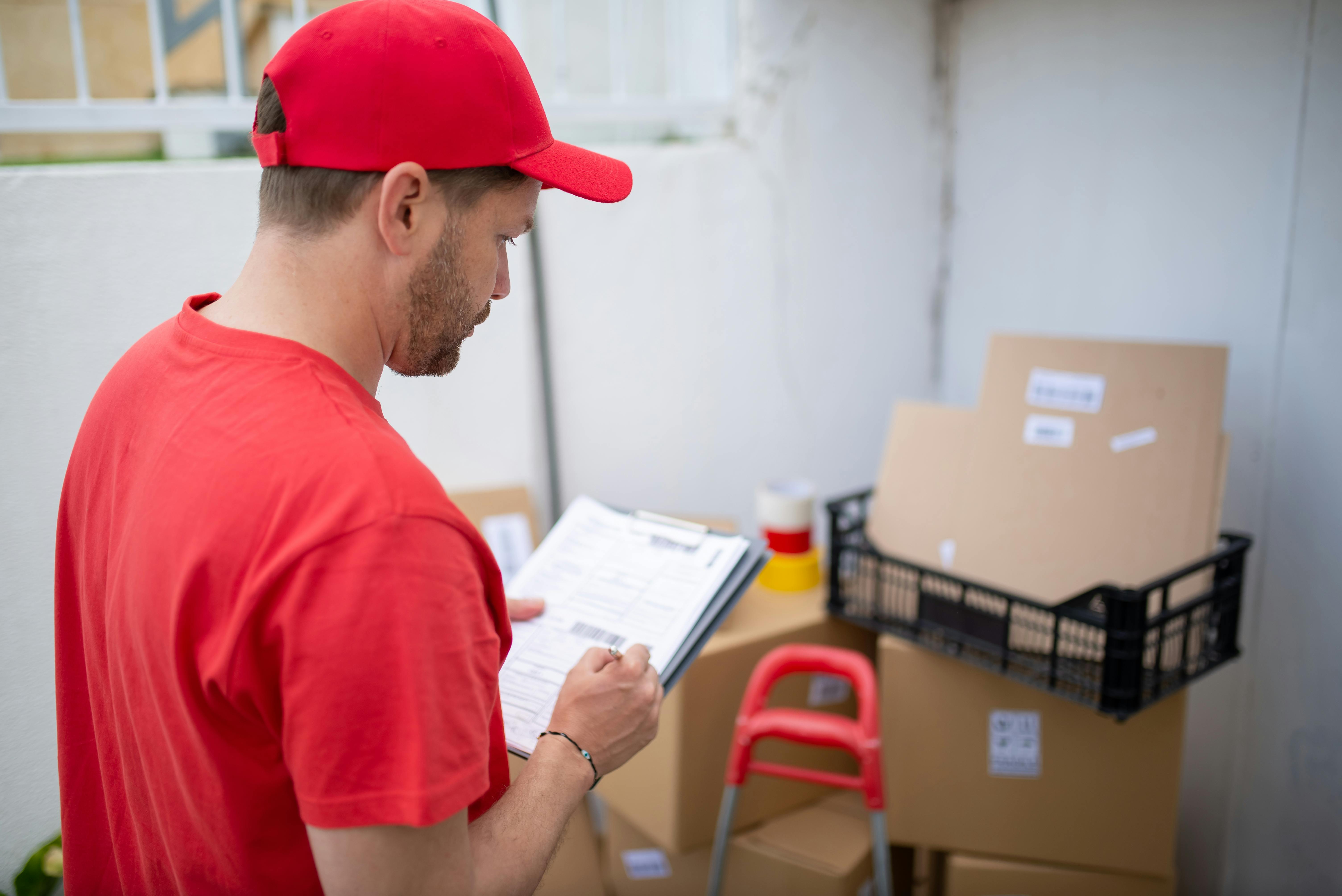
Hygiene standards extend to personnel: no eating or drinking in storage areas, hair restraints and appropriate PPE in food zones, and documented training on personal hygiene practices.
Inventory Practices: FEFO, Lot Tracking, and Segregation
This is where many general warehouses fall short. Standard inventory management uses FIFO, first in, first out. Food grade operations require FEFO: First Expired, First Out. The reason is straightforward. Two pallets of the same product received a week apart may have different expiration dates based on their manufacturing batch. FIFO might pick the right sequence by coincidence. FEFO guarantees it.
Lot tracking is not optional in a food grade environment. You need to be able to identify which lot number a product belongs to at every point in its storage lifecycle, from receiving to put-away to pick to dispatch. In the event of a recall or contamination event, lot-level traceability is what determines whether you can execute a targeted recall or have to treat your entire inventory as suspect.
Allergen segregation requires physical separation of products containing major allergens from those that don't, along with dedicated handling equipment or thorough allergen cleaning between product types. These are the practices that protect your customers and your liability if something goes wrong. Learn more about how Digit's traceability features support lot-level food compliance.
Documentation and Audit Readiness
The practical question in any food grade audit isn't "did you do this?" It's "can you prove you did this, consistently, over time?"
Auditors will ask to see:
- Temperature logs for the past 12 months (or longer)
- Cleaning and sanitation logs
- Pest control service reports and corrective action records
- Training records for all employees in food areas
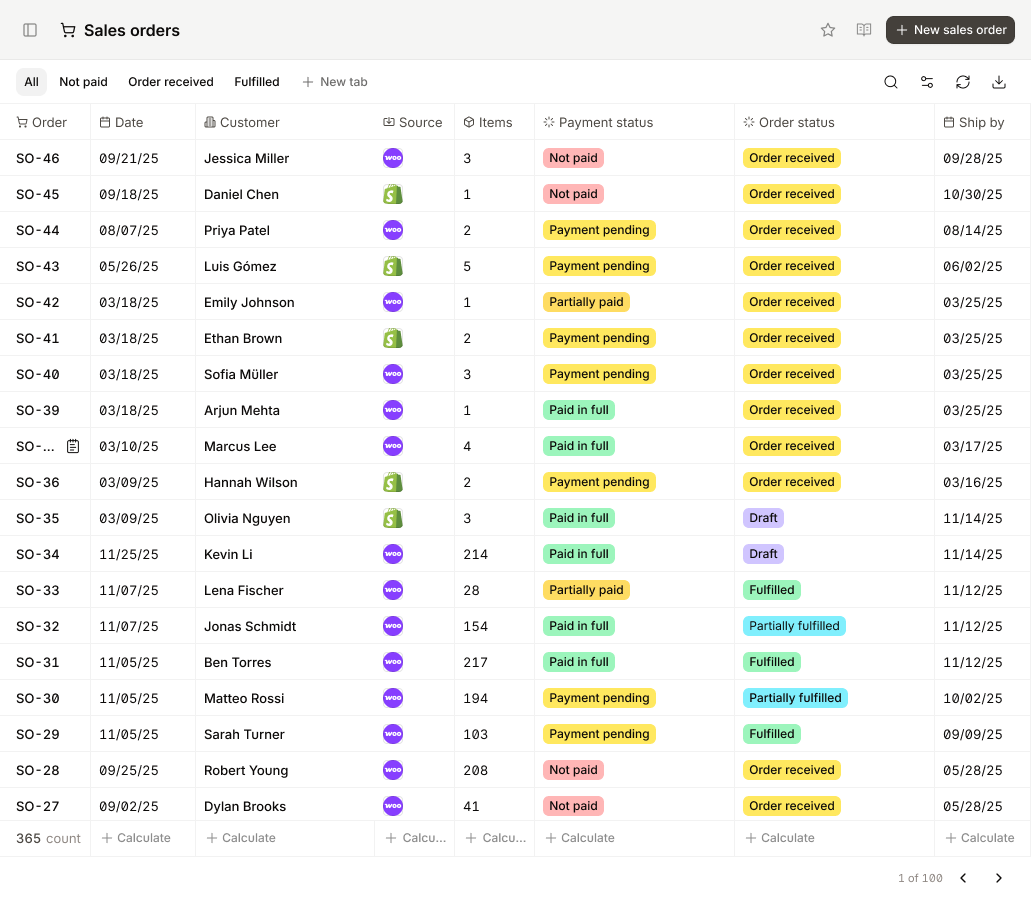
- Receiving and put-away records with lot assignments
- Customer complaint and recall procedure documentation
- A written food safety plan or HACCP documentation if applicable
The most common audit failure is not operational. It's documentary. Facilities that do the work but don't document it consistently fail for the same reason as facilities that skip the work entirely.
Build your documentation system before you think you need it. Retroactive record reconstruction is not a valid audit strategy.
How Warehouse Management Software Supports Food Grade Compliance
.jpg)
Manual documentation, clipboards, spreadsheets, standalone temperature monitors, creates gaps. Data gets missed, logs get lost, and there's no way to quickly pull a complete record for a specific lot across the full scope of its storage history.
Warehouse management software built for food grade environments addresses this structurally:
- Lot and serial number tracking assigned at receiving and carried through every warehouse movement
- FEFO enforcement that prevents operators from picking the wrong rotation sequence
- Expiration date visibility across the full inventory in real time
- Automated temperature logging integrated with environmental monitoring systems
- Audit trail generation that can reconstruct the complete history of any lot on demand
- Allergen and product segregation enforced through location rules and receiving workflows
This isn't about adding compliance overhead. It's about making compliance a byproduct of normal operations rather than a separate documentation burden.
See how Digit's warehouse management features support food grade operations.
Managing a Food Grade Warehouse with Digit
.jpg)
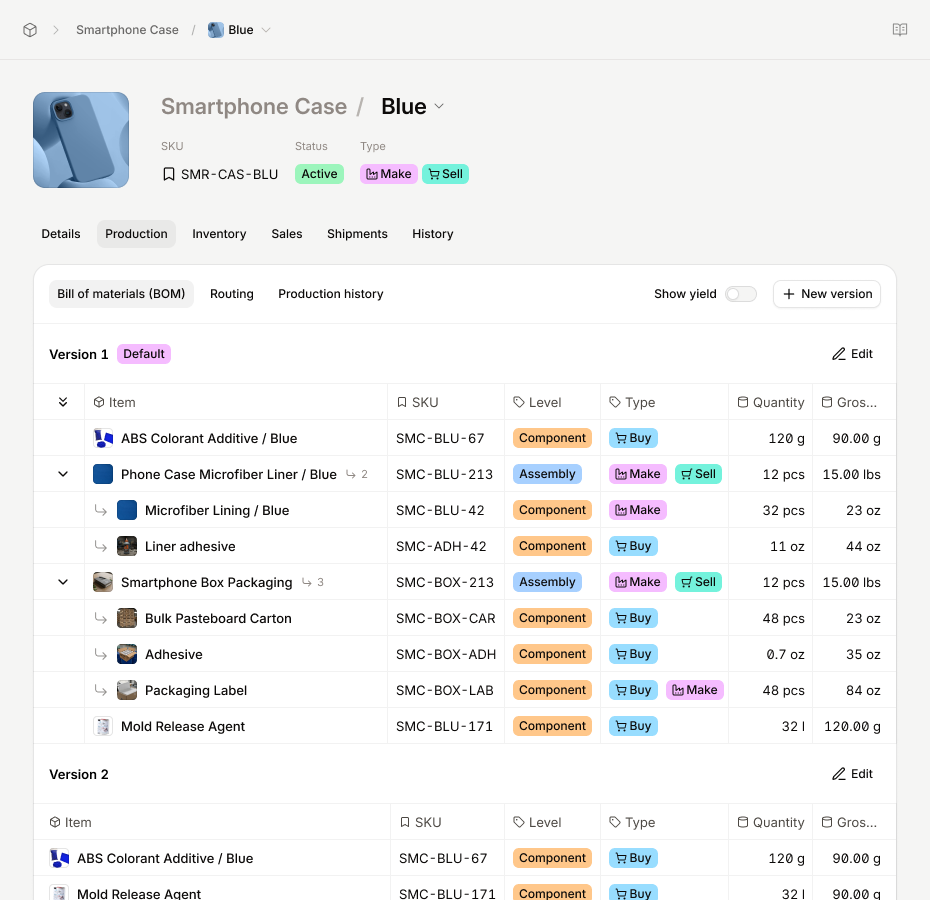
Digit is built for food and beverage operations where compliance, traceability, and operational accuracy aren't separate concerns. They're the same requirement.
For warehouses pursuing or maintaining food grade status, Digit provides the foundational systems:
Lot tracking from receiving to dispatch. Every item is assigned a lot number on receipt and tracked through every warehouse movement. Digit's food traceability software makes it possible to trace any product back to its origin, or forward to where it shipped, in seconds, not hours.
FEFO enforcement. Picking workflows in Digit enforce first-expired-first-out rotation, eliminating the manual calculation and human error that causes compliance failures on the floor.
Serial and lot-level visibility. Digit's serial number tracking extends traceability to item level where required, supporting the most stringent recall and segregation requirements.
Audit-ready records. Every transaction, movement, and adjustment in Digit creates a timestamped record. When an auditor asks for the history of lot #4291, that record is retrievable immediately, not reconstructed from paper logs.
For food and beverage operations managing their own warehousing, Digit provides the operational infrastructure that makes food grade certification achievable and sustainable, not a one-time audit pass, but a continuous state of compliance built into how your warehouse runs day to day.
Whether you're converting an existing facility or building food grade operations from scratch, the path starts with getting the right systems in place before the auditor arrives, not after. Learn more on how Digit can support your operation at with our free AI demo.
.jpg)


.jpg)
.jpg)