

Know exactly what's expiring, and when, before it becomes a problem. Digit tracks lot expiry dates, supports FIFO and FEFO rotation, and gives your team full traceability from raw materials to finished goods, so nothing ages unnoticed or ships without your team knowing its shelf-life status. Built for food, beverage, cosmetics, and chemical manufacturers who can't afford to find out about expiry after the fact.












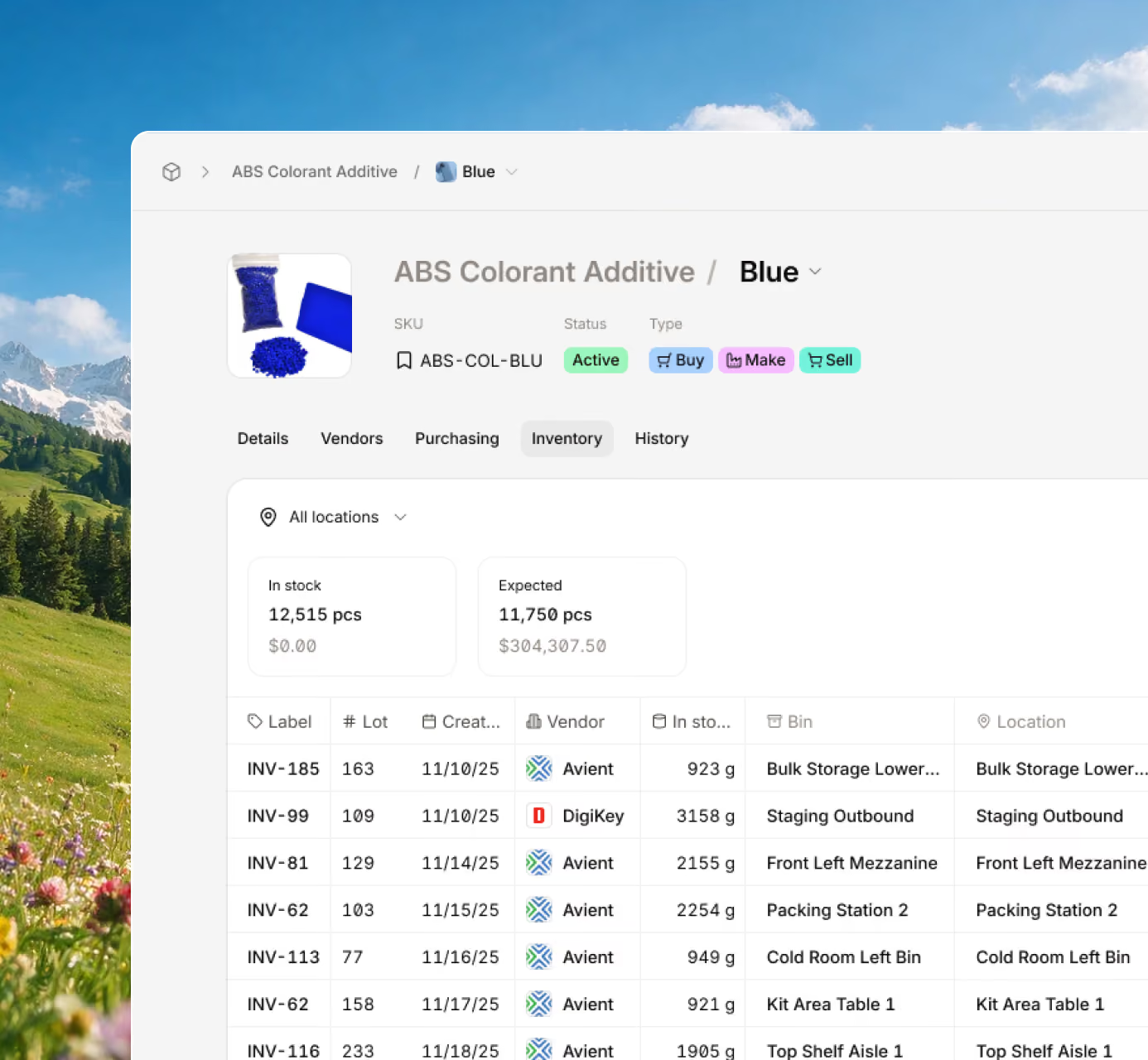







Wherever a batch ends up, that movement is recorded with Digit. Always know where materials came from, how they were used, and where they were shipped.

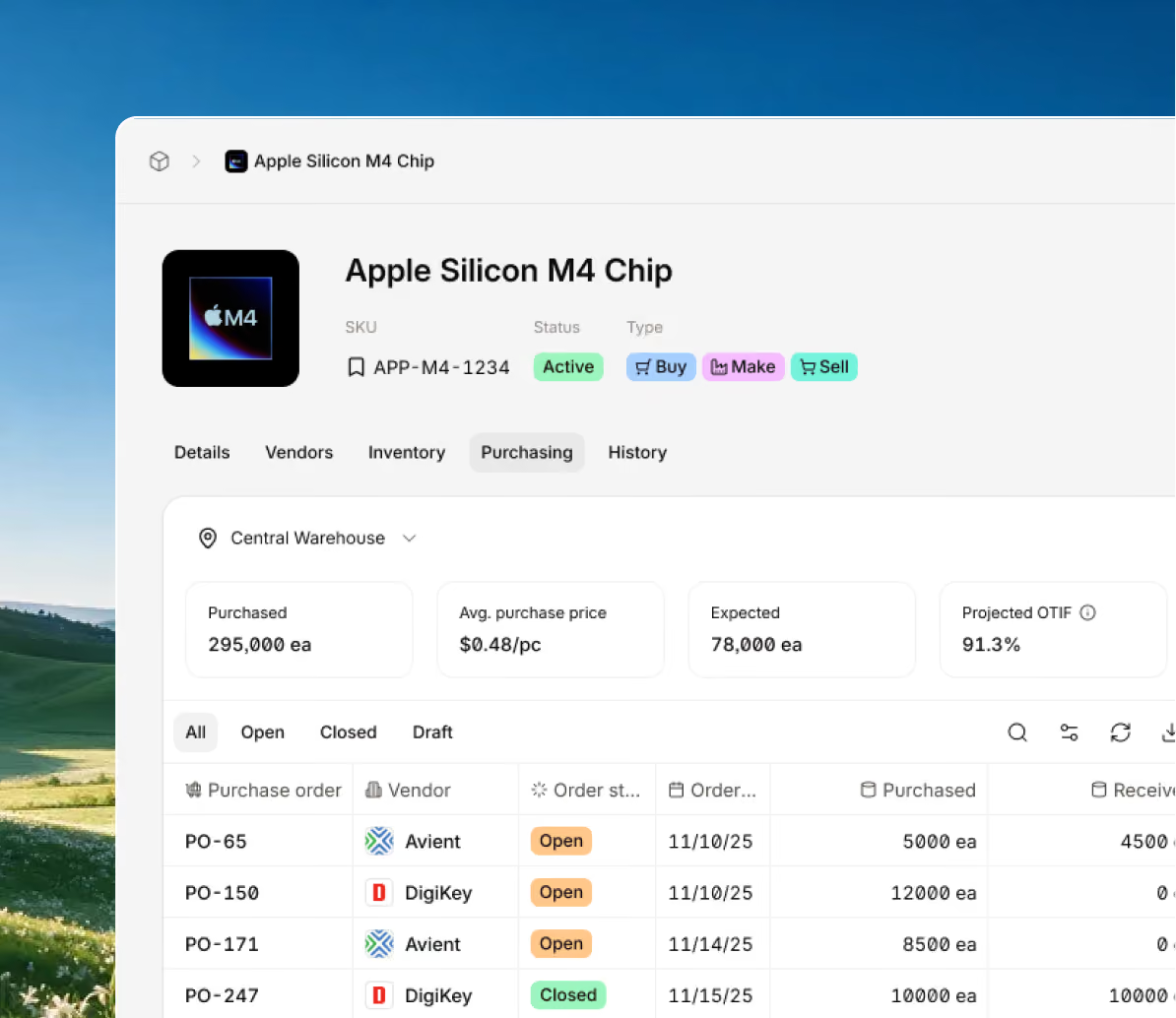
For products that require deeper visibility, Digit supports serialized batch tracking ideal for regulated, high-value, or expiration-sensitive items. Digit is batch tracking software that supports standardized and serialized inventory tracking, perfect for highly regulated industries and businesses with high-value or perishable goods.
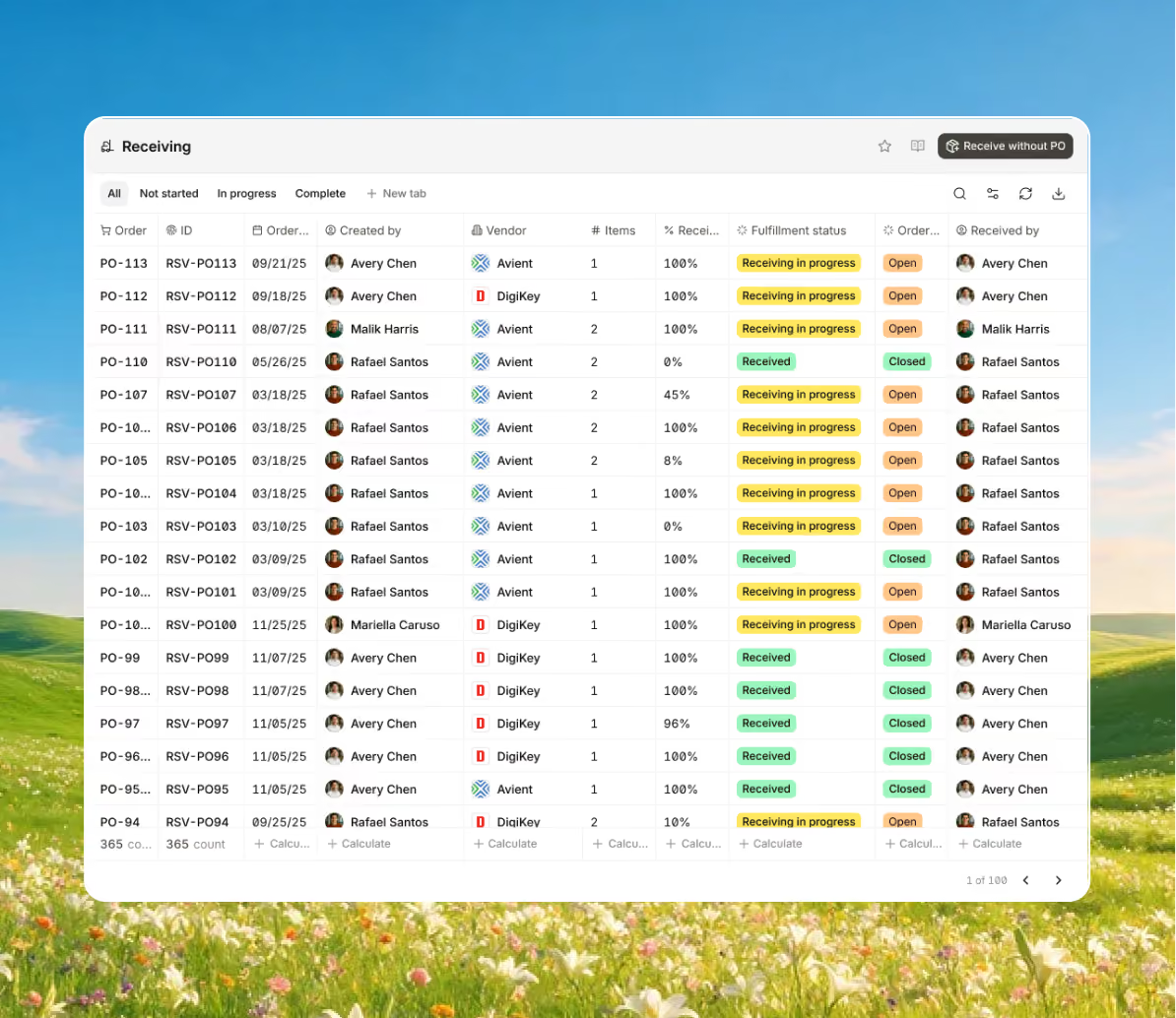
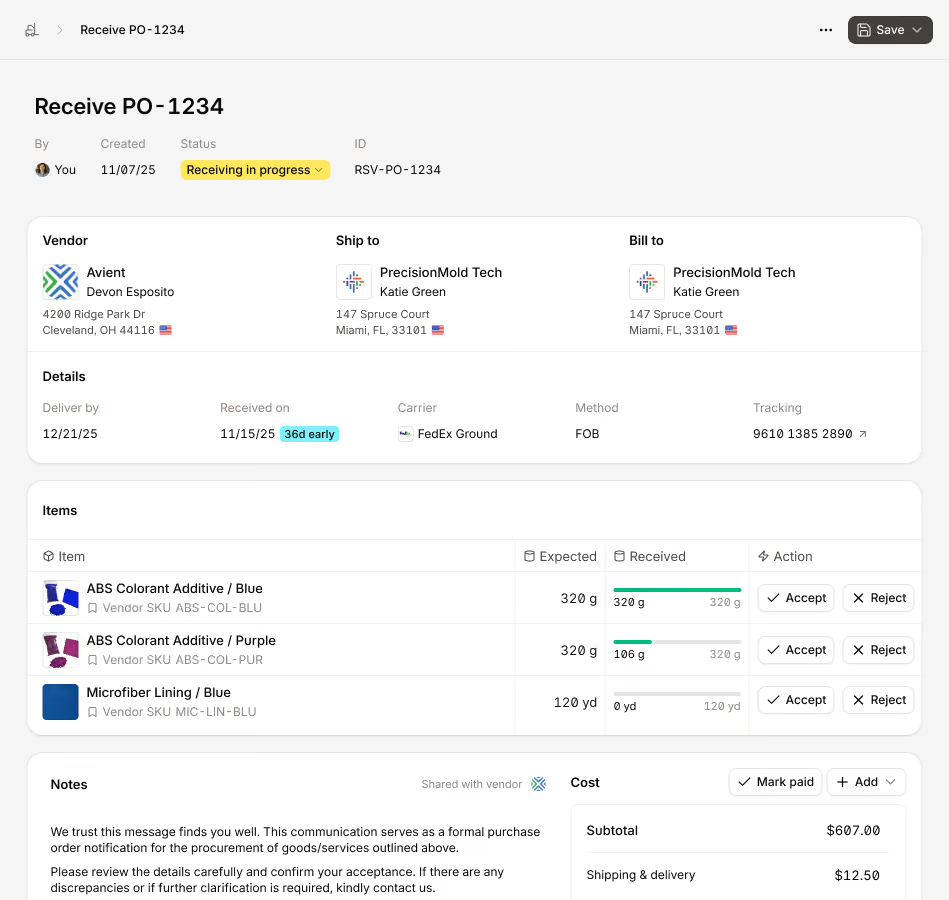
Whether an audit is internal or external, you’ll be ready with lot tracking software, as your batch records will be organized, accessible, and historically detailed.
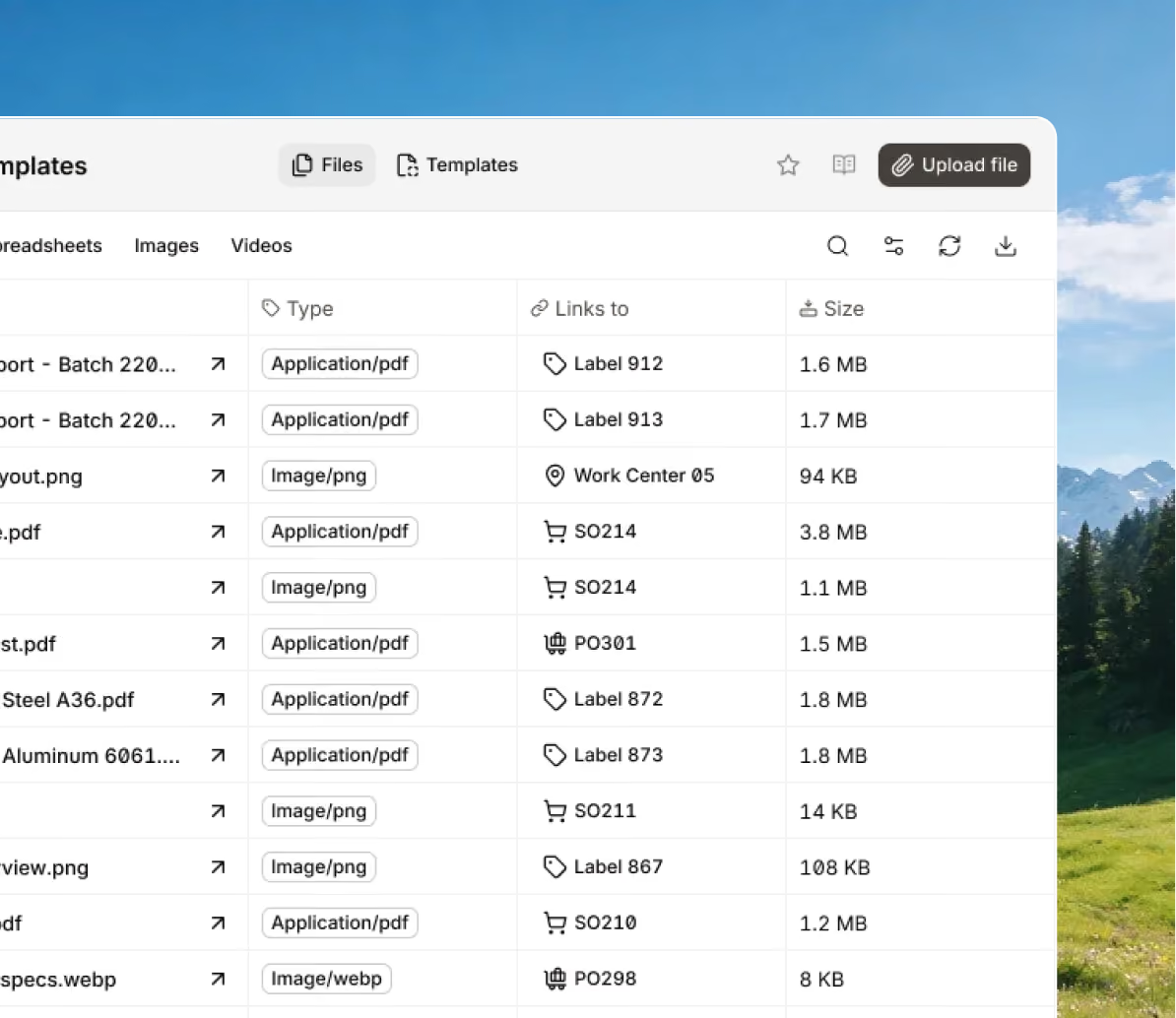
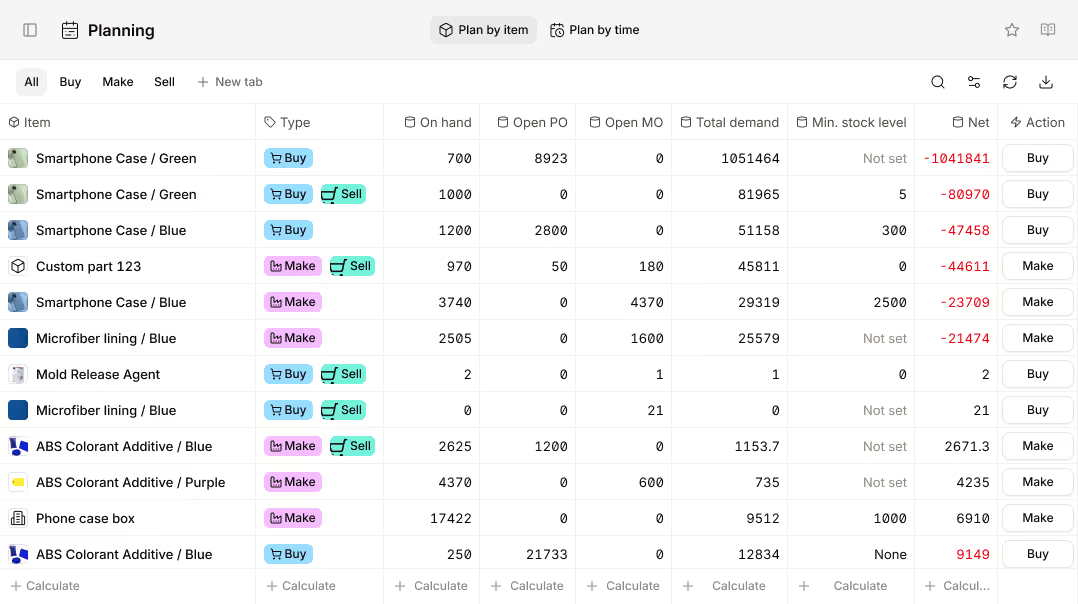
Improve your order fulfillment rates by having exactly what you need, when you need it. Real-time batch tracking helps you manage inventory levels and keep costs low.
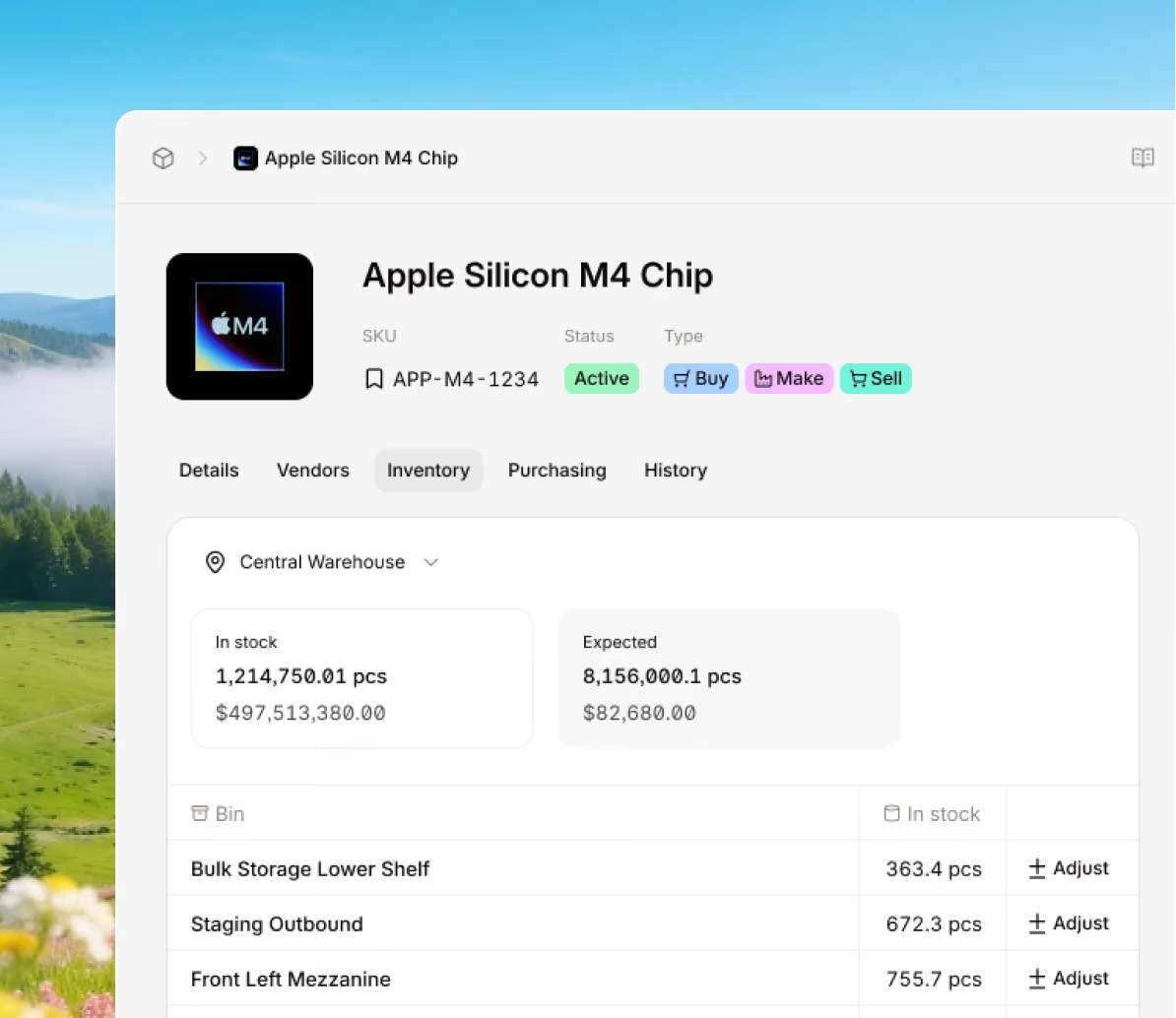
Bring every sales channel and accounting tool together in one system with seamless syncing and flexible API access.





Bring your inventory, accounting, and production together in stock management software built for manufacturers. Keep every part of your business connected, accurate, and easy to track.


100+ manufacturers and distributors have replaced spreadsheets and legacy ERPs with Digit.

If I can capture two seconds across 19 machines across a 24-hour span, I'll save the customer thousands of dollars.
Chris Johnson



“The impact Digit has had has been enormous, saving a lot of time, capturing a lot of data, streamlining a lot of processes, with a system that everyone loves to use.”
Tanner Thomas

“Digit has given us the insight into current and upcoming stock on our ingredients and raw materials needed for production. This allows us to procure more before we stock out and to be confident that we have enough to finish any upcoming production run.”
Adam Davis
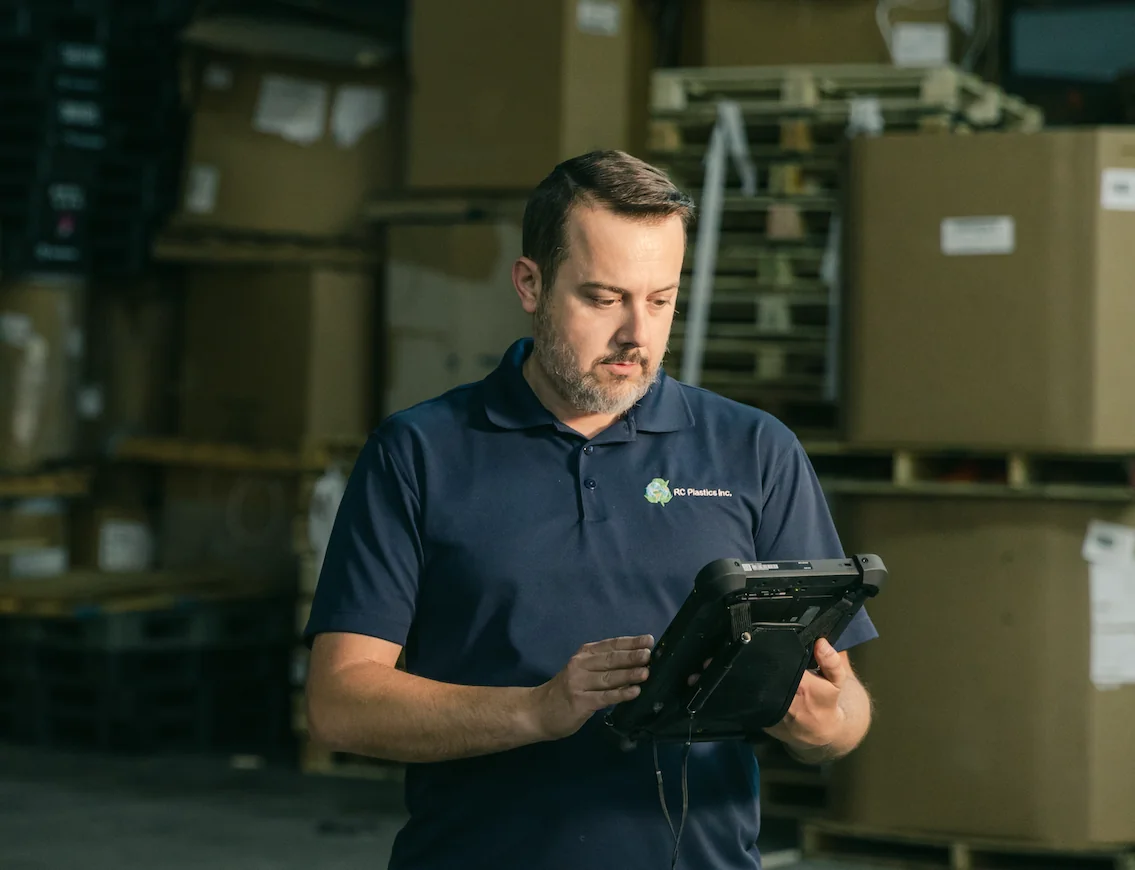
"Digit is the most adaptable, user-friendly software we have ever used."
Joe Watkins
%2520(1).webp)
"With Digit, everything from our inventory to our production data is the word of truth. I can trust it. I can rely on it."
Joshua Burris


Your most frequently asked questions, all in one place. If you don’t see what you need, reach out to us.
The best batch and lot tracking systems will be composed of the necessary features to give you a real-time overview of inventory movement.
This means being able to record everything that happens as a batch moves from supplier to production, storage, and beyond, providing an easy-to-follow audit trail that shows exactly where materials came from, how they were used, and where they ended up.
Some lot number tracking software, like Digit, supports multi-location tracking and the use of barcode scanning to receive and move inventory while keeping inventory levels up-to-date and accurate — completely removing the need for manual updates.
Nowadays, businesses produce and sell a range of products, meaning what’s good for the goose isn’t good for the gander. If you sell items that require different methods of tracking, some lot traceability software allows you to set up serialized and standardized inventory tracking, so you can easily track batches and items at the unit level.
To use batch and lot tracking means that a business is actively managing its items by groups, as opposed to individually tracking each item.
It might sound counterintuitive to track inventory in groups, since tracking at the unit level helps you identify specifically where each item is. But for a business that sells perishable inventory (for example), if something happens during a production run and a batch is contaminated, they simply need to locate the batch, not every single item.
They will be able to do this because key inventory data is recorded for each batch, such as:
This approach to inventory management is important where timing and traceability matter.
Food and beverage and cosmetic brands rely on it to manage shelf life using methods like FEFO (First Expired, First Out), while manufacturers use lot numbers to trace which components were used in a specific production run.
Batch tracking, sometimes referred to as lot tracking, is a method of performing inventory management to monitor a group of items that share some common traits.
These traits can be defined by whoever manages the inventory, but items are usually grouped by things like:
Each group, now your batch, is assigned a unique code or number (your batch or lot number), allowing you to trace items from the supplier through manufacturing and to the final customer. These codes are what make it possible for businesses to find items, which is super important for industries like food, pharmaceuticals, and cosmetics, where quality control, expiration dates, and recalls must be carefully managed.
Batch tracking also helps you isolate specific production runs when issues arise.
For example, a bakery may track bread baked on a single day to ensure older stock is sold first, while a pharmaceutical company can identify and recall only a contaminated batch rather than its entire inventory. Beyond recalls, batch tracking supports regulatory compliance, improves inventory accuracy, and provides better visibility into production processes and product lifecycles.
TL;DR: You use lot and batch numbers for tracking groups of inventory. You use a serial number for tracking individual items.
All three are product identifiers, but each of them operates at different levels of detail:
Batch and lot tracking matters because it gives manufacturers a clear, end-to-end visibility into how products move through their operations and supply chain.
By having the ability to track your batches, usually via lot tracking software or batch tracking software, you can quickly respond if something happens along your production lines or supply chain, leading to defective or contaminated goods. So, it probably goes without saying that this functionality is crucial for managing product recalls and risks, and will help reduce costs, limit waste, and protect a business's brand reputation.
