

Know exactly what's expiring, when before it becomes a problem.












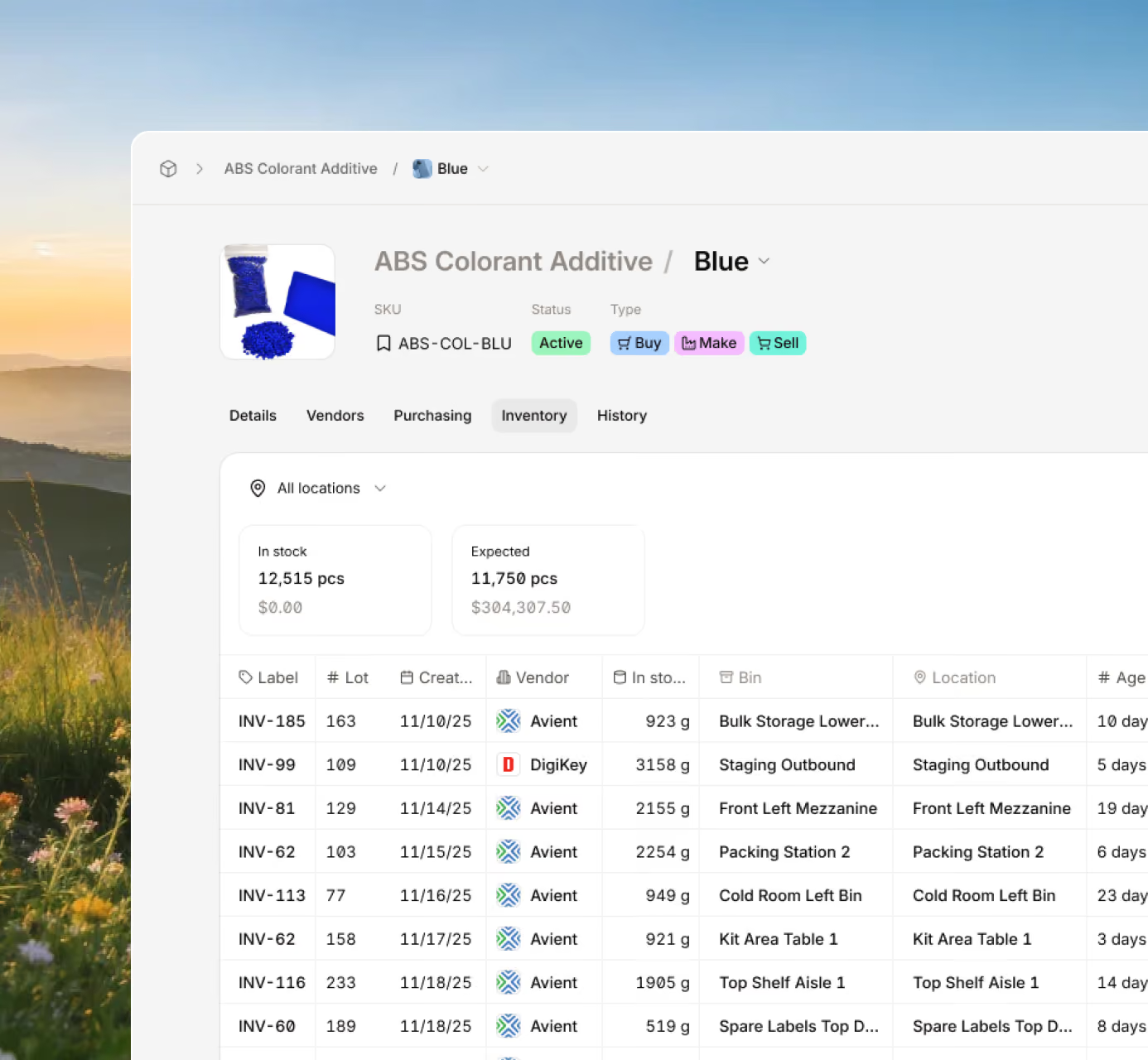







Digit captures expiry dates at goods receipt and carries them through every movement and production run, so your inventory view always shows usable stock, not just quantity on hand.

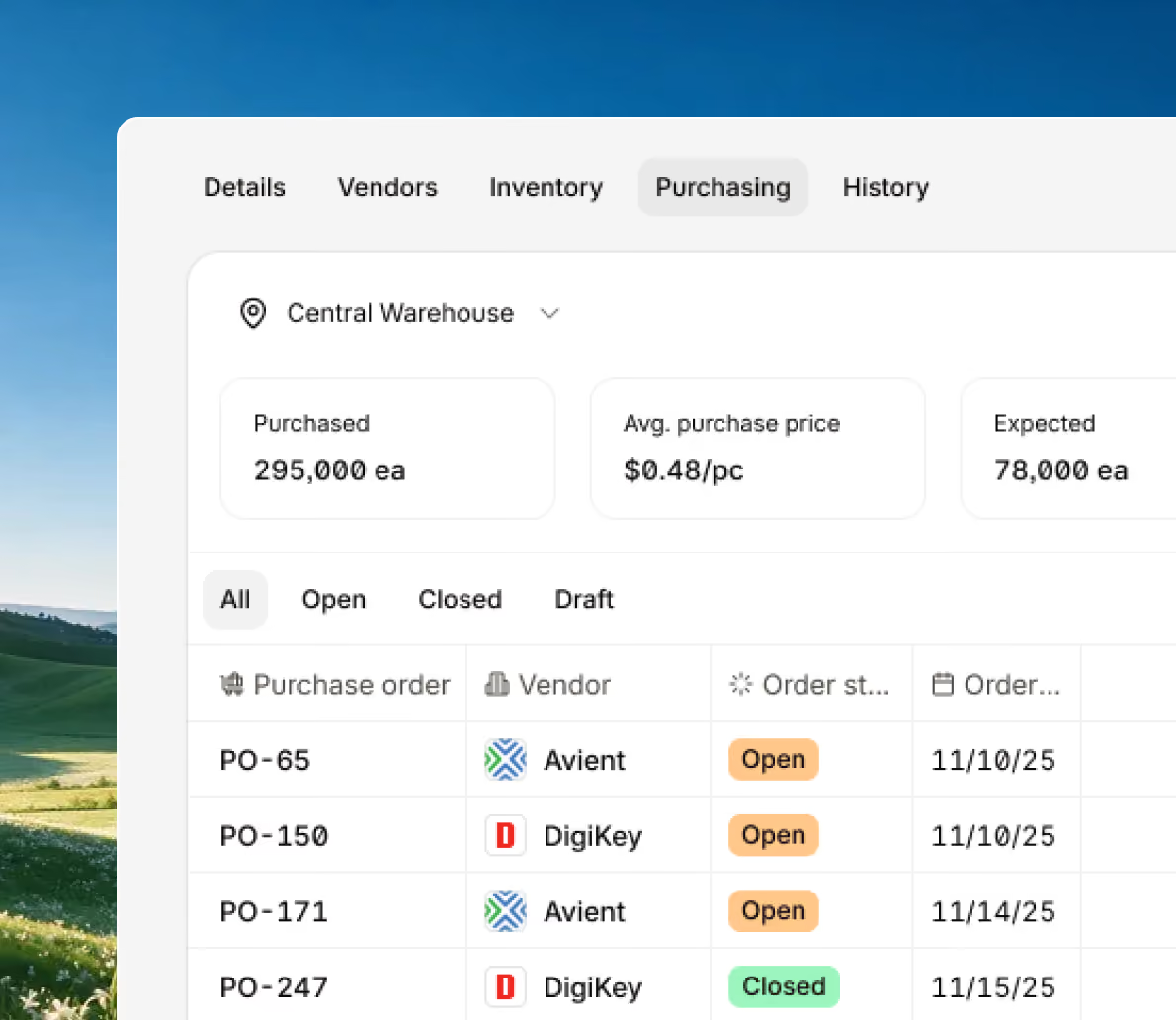
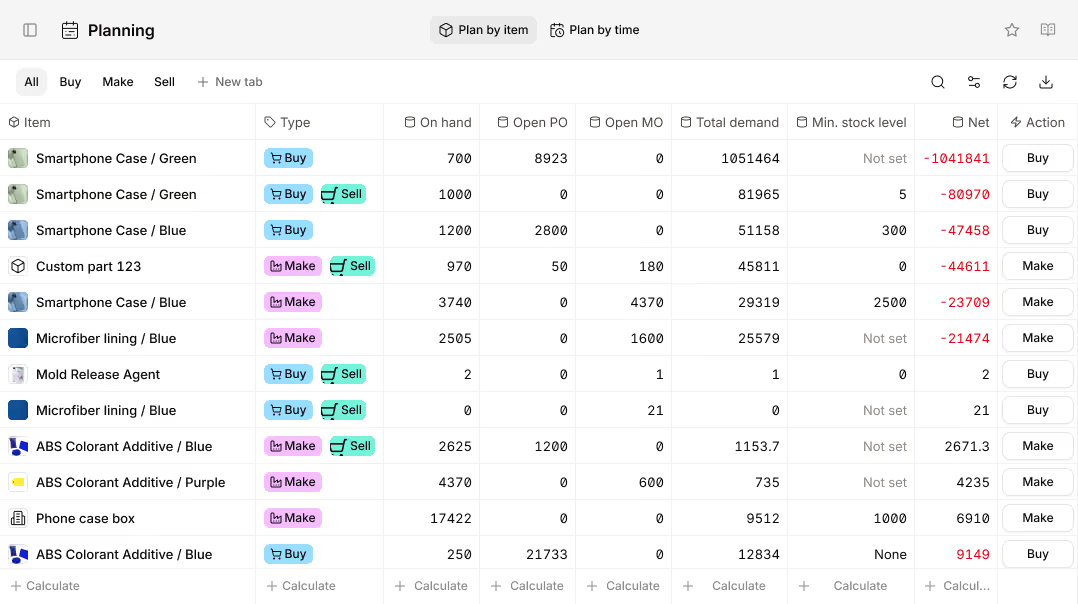
Digit surfaces creation and expiration dates at every stage, from production to picking, so your team can follow FIFO or FEFO rotation without checking dates manually or relying on institutional knowledge.
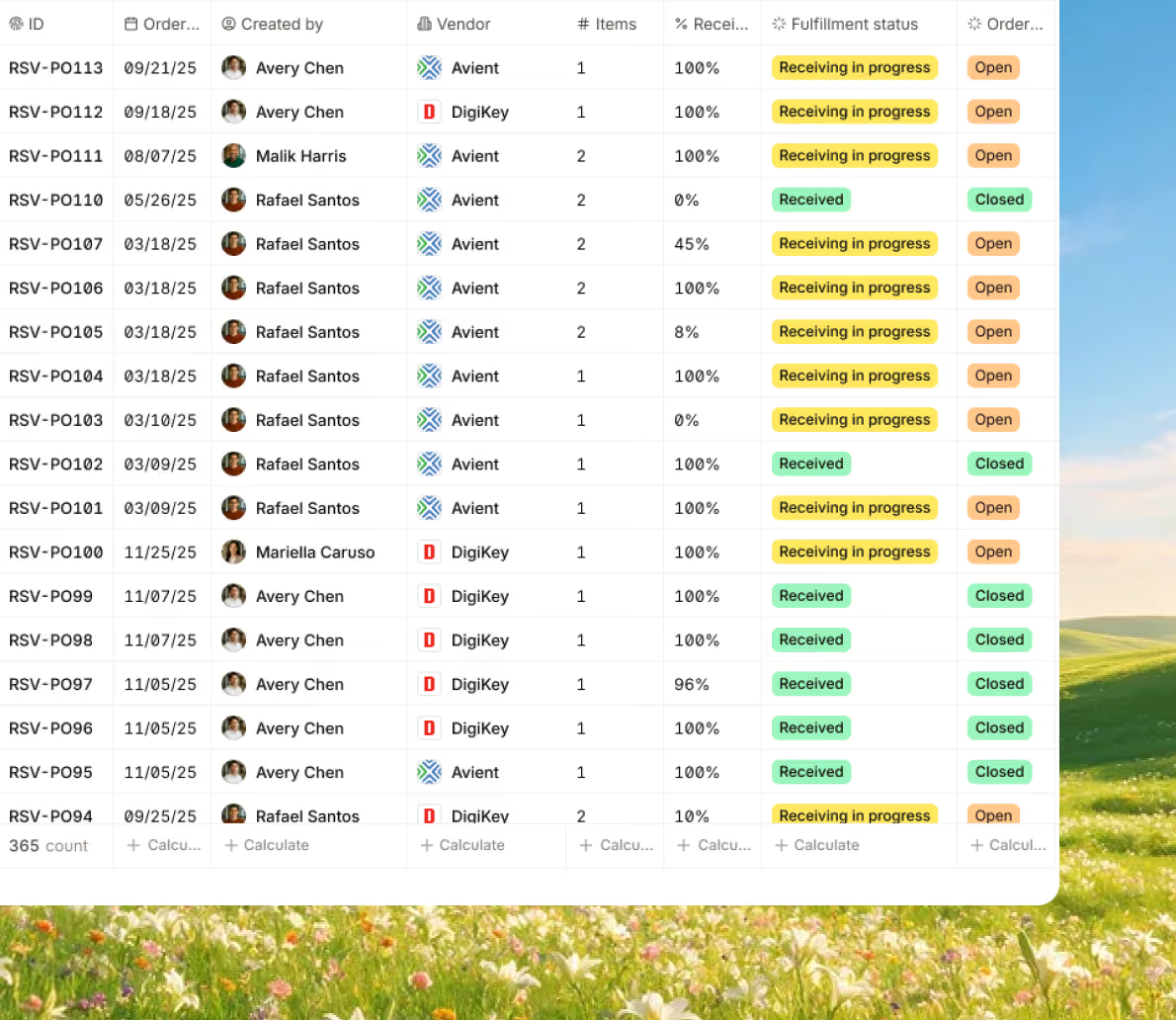
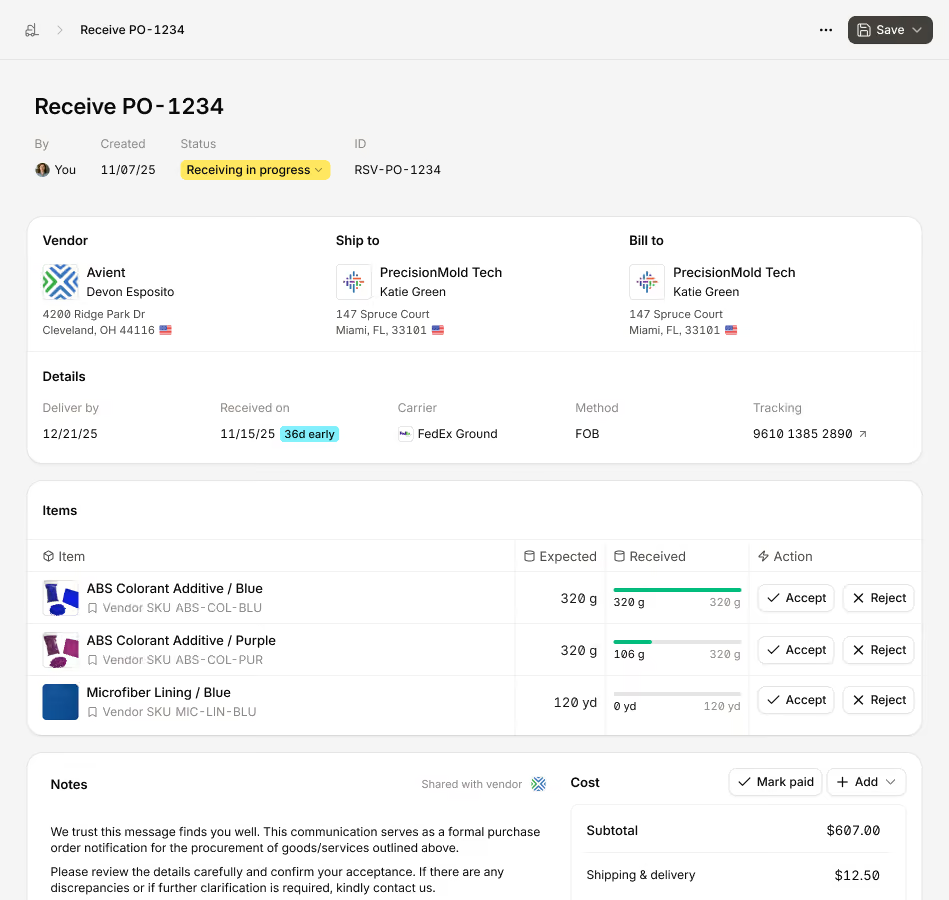
Digit tracks expiry dates across your entire inventory and supports quarantine workflows, so your team can identify aging stock and isolate it before it becomes a write-off or a compliance issue.
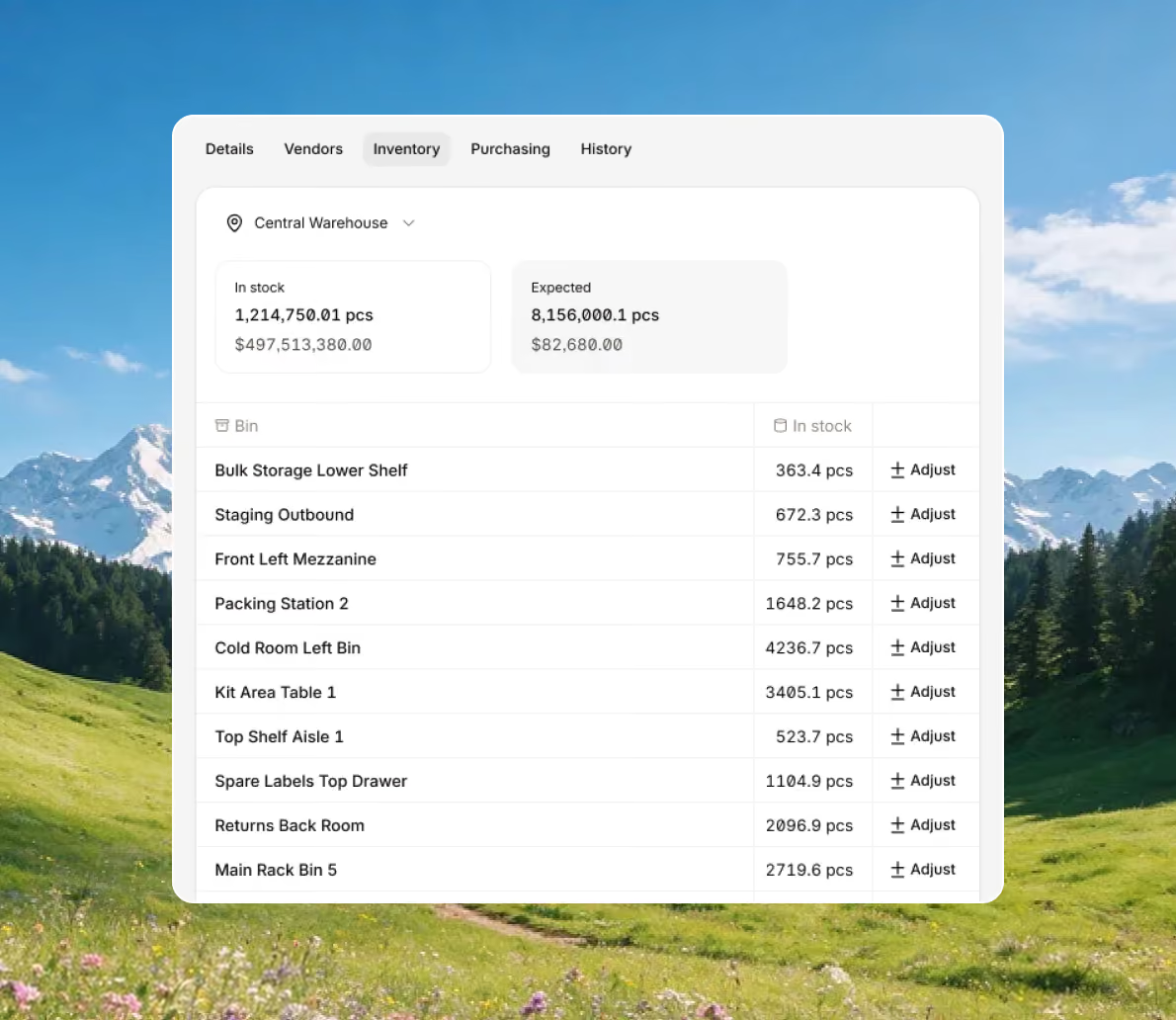
Digit connects every supplier lot to the purchase order, manufacturing order, finished good, and shipment it touches, so a lot lookup takes seconds, not a morning of reconstruction.
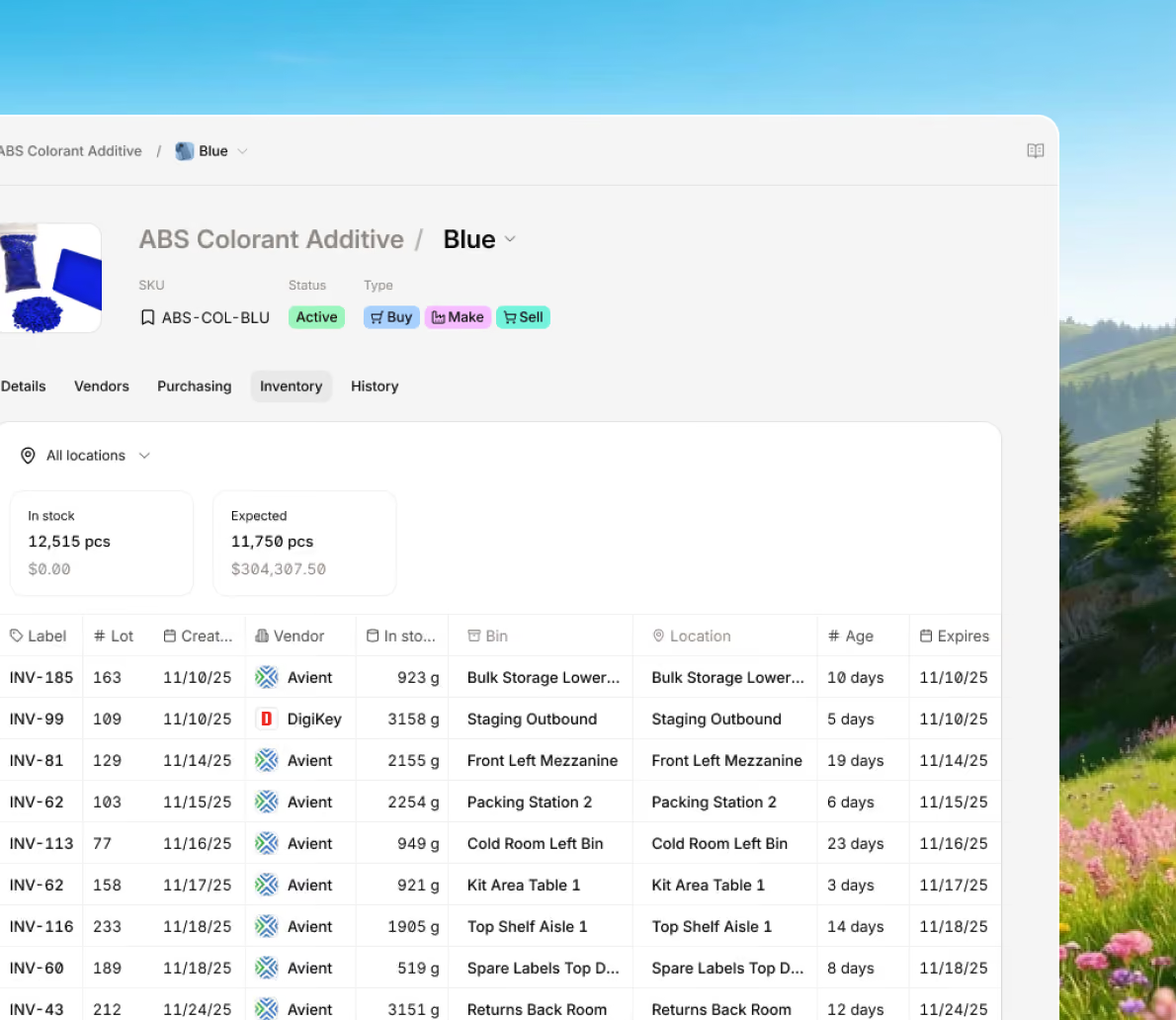
Digit gives you expiry visibility across every location and bin, so you can see what's aging and act on it, before it crosses the threshold.
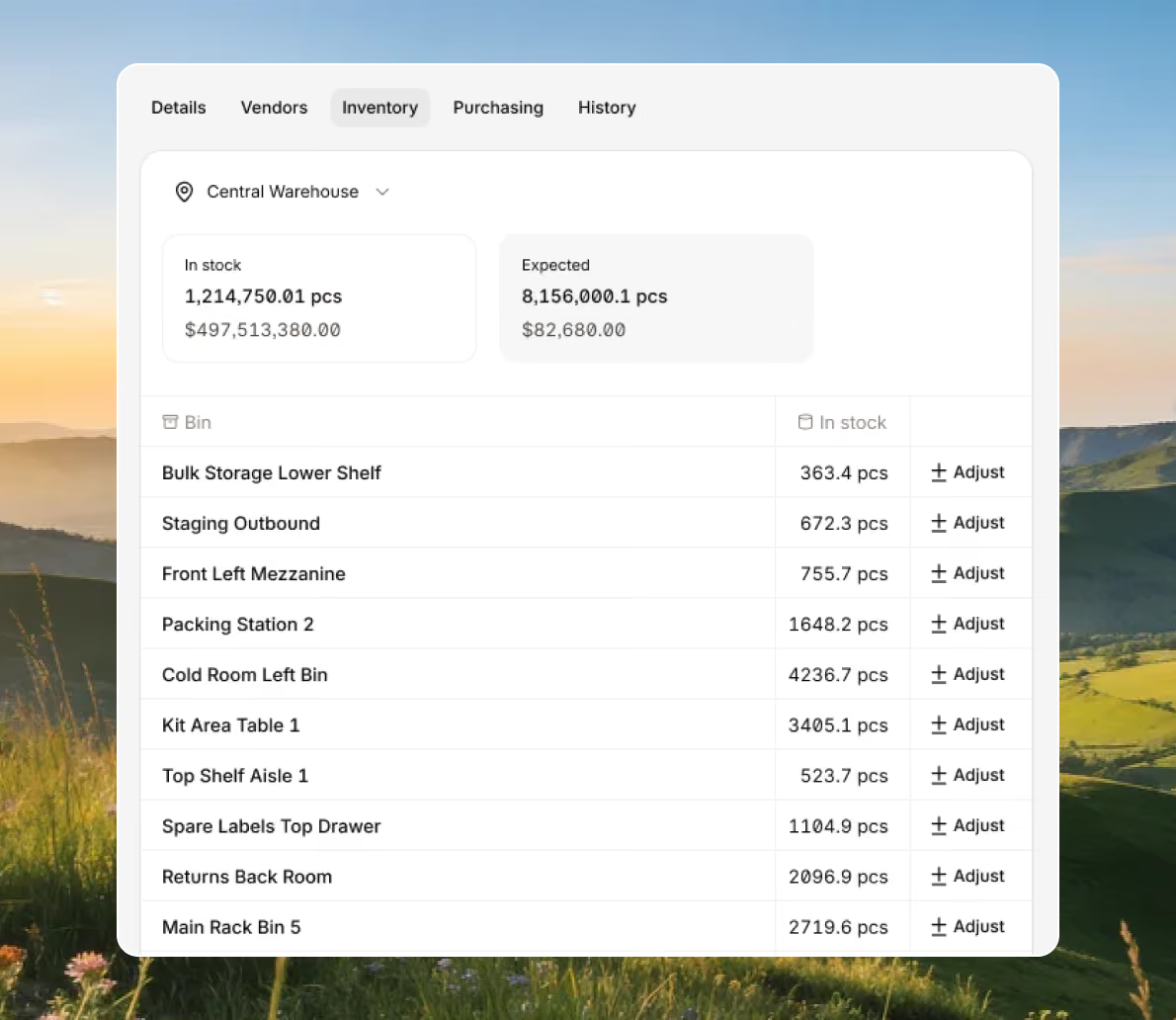
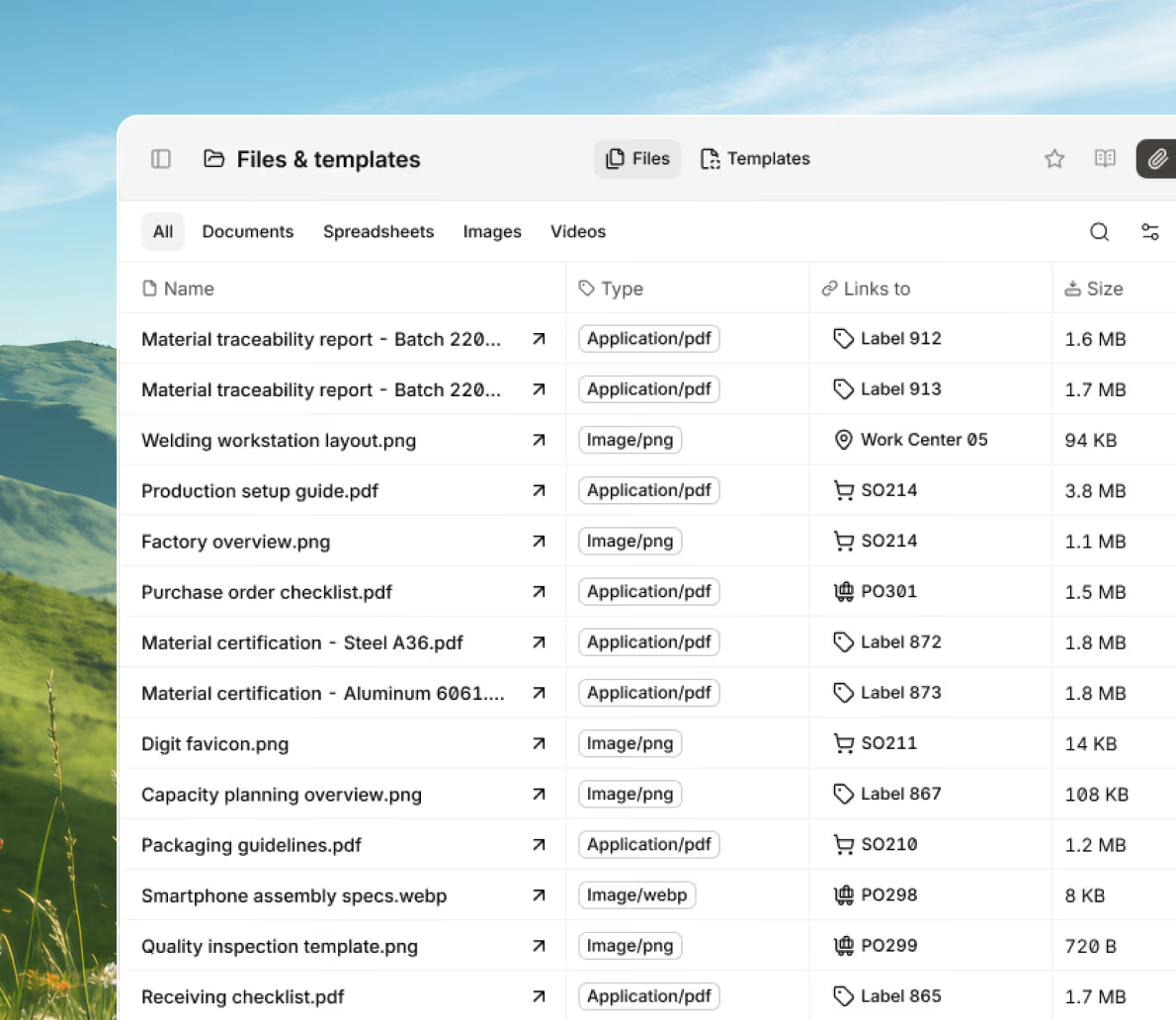
Staying compliant for date-sensitive manufacturers is critical, and Digit keeps all compliance records accessible and connected to each lot.
Bring every sales channel and accounting tool together in one system with seamless syncing and flexible API access.





Stop Writing Off Expired Stock with Digit
100+ manufacturers and distributors have replaced spreadsheets and legacy ERPs with Digit.

“The impact Digit has had has been enormous, saving a lot of time, capturing a lot of data, streamlining a lot of processes, with a system that everyone loves to use.”
Tanner Thomas



“Digit has given us the insight into current and upcoming stock on our ingredients and raw materials needed for production. This allows us to procure more before we stock out and to be confident that we have enough to finish any upcoming production run.”
Adam Davis

"Digit is the most adaptable, user-friendly software we have ever used."
Joe Watkins
%2520(1).webp)
"With Digit, everything from our inventory to our production data is the word of truth. I can trust it. I can rely on it."
Joshua Burris

“With Digit, our speed and efficiency has most likely doubled, triple, or quadrupled. Digit has allowed us on every front to be faster, more precise, and it is allowing us to scale.”
Elliott Montgomery


Your most frequently asked questions, all in one place. If you don’t see what you need, reach out to us.
Shelf-life management software tracks expiry dates across every lot in your inventory, supports rotation methods like FIFO and FEFO by surfacing batch dates at picking and production, and maintains a complete audit trail for compliance. It replaces manual date-checking and spreadsheet tracking with a live, connected system tied to your purchasing, production, and shipping workflows.
Each lot is assigned an expiry date at goods receipt and tracked through every movement, receiving, storage, production, and shipment. In Digit, expiry dates are visible on every inventory record across all locations and bins, and you can set shelf life per item so expiry dates are automatically filled on every production run.
FIFO (First In, First Out) picks the oldest stock by receipt date. FEFO (First Expired, First Out) picks the stock closest to expiry regardless of when it arrived. For perishable goods, FEFO is more accurate, a lot that arrived recently but expires soon should be picked before an older lot with a later expiry date. Digit displays and filters batches by both creation date and expiration date, so your team can follow either rotation method at picking.
Digit maintains complete lot-level records — supplier, receipt date, expiry date, movements, documents, that support FSMA 204 traceability requirements. Compliance documents including COAs and SDSs can be uploaded directly to each lot. When an auditor or the FDA requests records, the information is retrievable in seconds, not reconstructed from emails.


