%201.svg)





What Is Manufacturing Capacity Planning?
.jpg)
Manufacturing capacity planning is the process of determining how much a production line can currently produce and whether that calculated output is enough to meet demand.
The main goal of performing manufacturing capacity planning is to ensure that your planning and resources are aligned while minimizing overworking your resources or underutilizing them and causing downtime.
Resources in this instance refer to:
- Labor
- Machinery
- Facilities
To successfully pull off capacity planning for manufacturing, businesses need to account for:
- Available resources
- Lead times
- Production processes
- Product mix
- Supply chain constraints
And once they have figured out all these different things, the capacity plan will indicate the maximum output that can be achieved with the resources currently at hand.
The 3 Types of Capacity Planning

Capacity planning won’t follow the same steps from business to business, and will largely be determined by factors such as:
- Industry
- Size
- Operational needs
By understanding the main types of capacity planning, you and your teams can choose the best one for your particular setup. Starting with:
1. Workforce Capacity Planning
Workforce capacity planning looks at your people — ensuring that you have the right number of employees or contractors with the skills necessary to get the job done.
When performing workforce capacity planning, you’re going to be looking into:
- Staffing levels
- Skill requirements
- Working hours to meet production or service delivery goals
The purpose is to keep your workforce happy and sane by preventing employee burnout and reducing turnover. Executing this plan will require coordination between project managers and HR teams to recruit and onboard team members with the right skill sets.
2. Product Capacity Planning
Product capacity planning involves turning to your inventory management software and processes to ensure you have enough raw materials and finished goods to support production and sales demand.
When doing your product capacity planning, you’re looking to identify potential supply chain disruptions that could delay product delivery and understand the rate of consumption of your materials.
3. Tool and Infrastructure Capacity Planning
Tool and infrastructure capacity planning is making sure that your teams have exactly what they need available to get the job done.
This not only includes tools and workstations, but everything needed to ensure operations run smoothly, such as:
- Equipment
- Machinery
- Software
- Technology
In a manufacturing setup, tool and infrastructure capacity planning will include tasks such as maintenance and ensuring production equipment is operational.
For other business types, this type of capacity planning is fairly important, as it’s just making sure everyone has what they need to get their tasks done, like:
- Computers
- Routers
- Point-of-sale devices
- Construction equipment
- IT infrastructure
Tool and infrastructure capacity planning is extremely important in almost all businesses, regardless of their size and complexity, and will need to be performed to understand if more equipment needs to be purchased, modified, or dropped if it's no longer adding value.
4 Capacity Planning Strategies

Organizations use different strategies to align their production capacity with demand patterns.
Each approach offers distinct advantages depending on:
- Market predictability
- Risk tolerance
- Growth objectives
1. Lead Strategy
Lead strategy is the process of increasing production capacity ahead of anticipated demand — for example, seasonal fluctuations like BFCM.
It’s a proactive approach that works best when combined with market trends or historical data to help you determine whether capacity needs to be increased. This strategy is a great way for companies to make investments in their capacity to avoid upcoming bottlenecks and take full advantage of an opportunity to grow by avoiding delays in production or sales.
2. Lag Strategy
Now, from proactive to reactive, we have the lag strategy, which means only increasing capacity once demand has already risen.
You might wonder how this is a good idea, but this is a better approach if you have limited resources, because you avoid the risk of making investments, only to see demand stay the same or decrease. You will often see the lag strategy employed in industries where demand patterns are unpredictable or highly dynamic, such as healthcare or emergency services.
And although you will be mitigating financial risk, it often leads to missed opportunities and strained teams when demand spikes unexpectedly.
3. Match Strategy
The match strategy is somewhere in between lead and lag, involving perpetual monitoring and adjustment of capacity incrementally to match observed patterns in:
- Actual demand
- Market trends
- Forecasts
To successfully implement the match strategy, you will need to fine-tune data collection and forecasting capabilities, using tools for demand planning and forecasting. This strategy gives you greater flexibility to respond to changing conditions.
4. Adjustment Strategy
Finally, we have the adjustment strategy, which looks into modifying system capacity to deal with demand fluctuations.
What this means in practice is that when demand increases, you turn to:
- Adopting new technology
- Restructuring workflows
- Shifting product line to improve efficiency
Although this strategy works best when complemented with other capacity planning approaches to ensure production levels remain aligned with current capabilities and demand.
A manufacturing capacity planning example would be a company adjusting its production capacity after implementing new automation technology or reorganizing its production floor, and analyzing demand patterns to ensure the modified capacity operates at optimal levels.
Common Capacity Planning Mistakes to Avoid
Visual input: A tired or focused worker at a workstation.
Effective capacity planning requires more than good intentions, needing:
- Data-driven insights
- Proactive management
- Cross-functional collaboration
And by avoiding the following common pitfalls will help you prevent employee burnout, missed opportunities, and strategic misalignment.
Overloading Resources
Assuming 100% resource availability is one of the most damaging mistakes in capacity planning.
When you over-task your team, the strain may not be immediately visible, but it leads to burnout, declining morale, and slower project velocity. At first, team members will work hard to meet unrealistic deadlines, but their momentum will eventually falter. By the time you notice the problem, you may have lost weeks of productivity and still face uncertainty about whether new assignments are equally unrealistic.
The solution is to use data-driven project management tools that provide visibility into who is working on which projects and tasks, allowing you to see at a glance whether new assignments are realistic and to reassign work to resources with lighter workloads when needed.
Under-Utilizing Resources
A conservative approach to resource allocation may seem safe, but under-utilizing resources is just as inefficient as overloading them.
When you under-use your team, you waste valuable time, potentially extend project timelines, and increase budgets through costly and avoidable delays. Achieving perfectly balanced workloads requires real-time visibility and the ability to optimize resource utilization continuously.
Ignoring Skill Sets and Roles
Failing to account for specific skills and capabilities leads to significant inefficiencies.
Not all resources are the same, as different projects require different skill sets, and planning should be done at a role level rather than simply assigning individual names to tasks. Without a comprehensive understanding of your team's skill mix, it becomes difficult to find the right people for the work that needs to be done.
Building a searchable skills inventory is essential, using standardized language for each skill, establishing a process for regular reviews and updates, and allowing employees to add their own skills while maintaining a validation process.
Inaccurate Forecasting
Accurate capacity planning requires understanding both resource supply and the work demand on the horizon, which you achieve through forecasting.
However, inaccurate forecasts undermine the entire planning process. If you cannot get a realistic picture of what work lies ahead and how much work your team can reasonably undertake, there is no way to plan with certainty.
To improve forecasting accuracy, examine the entire process that feeds into your forecasts:
- Identify where the data comes from
- Ensure data hygiene is treated as a priority
- Assign someone the responsibility for data governance
Poor Communication Across Teams
Misalignment between teams creates bottlenecks and reduces forecast accuracy.
If project management and resource management teams cannot communicate effectively, projects will be hampered from the start. Without clear alignment on resource availability and allocation, it is easy to over- or underschedule resources or assign them to tasks that are a bad fit for their skill sets.
Building common ground through interlock meetings (where stakeholders from different teams work to reach consensus on capacity plans) and performing stakeholder mapping can help establish shared understandings and terminology.
Neglecting Post-Project Analysis
Skipping reviews of completed projects means failing to learn from past capacity mistakes. Without retrospective analysis, organizations repeat the same errors and miss opportunities to refine their planning processes. Establish a regular practice of reviewing project outcomes to improve future capacity planning accuracy.
And there you have it!
Everything you need to know about capacity planning in manufacturing to get the most out of your manufacturing operations.
The next step is to find a tool that can help you with this planning.
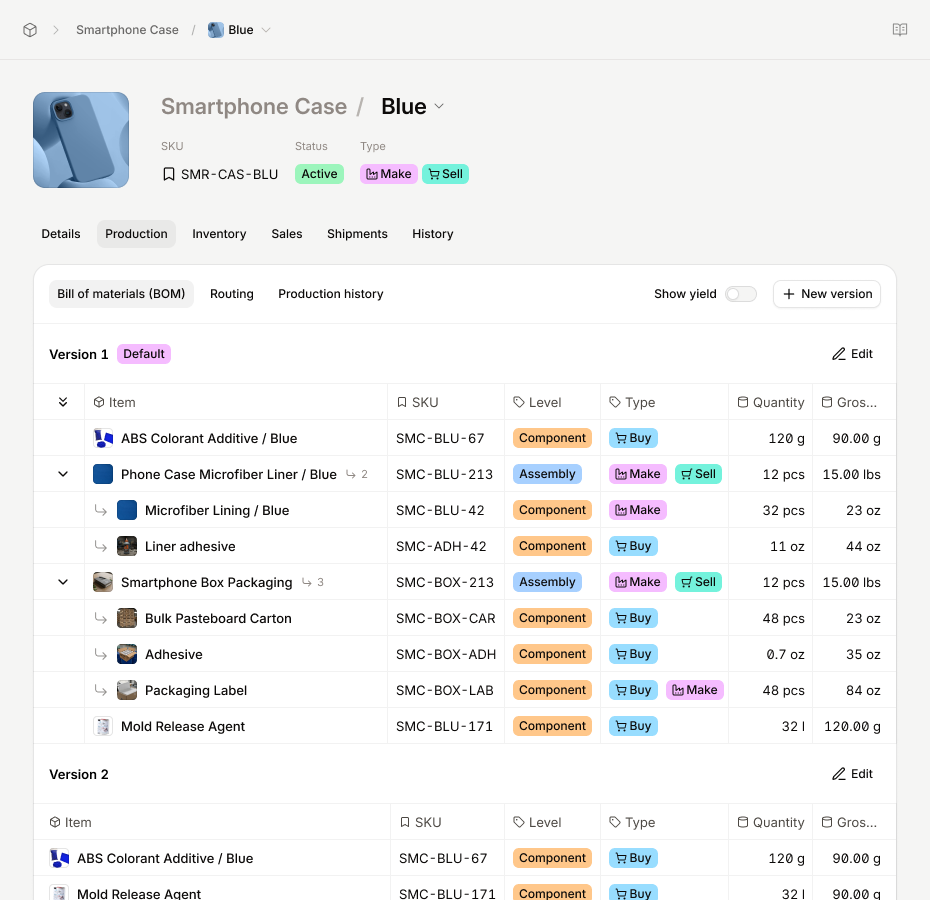
How MRP Software Supports Capacity Planning
.jpg)
Many manufacturers turn to Material Requirements Planning (MRP for short) software, as most modern-day solutions come with functionalities that can help you with capacity planning, creating production plans and goals automatically by analyzing:
- Demand
- Inventory levels
- Bills of materials
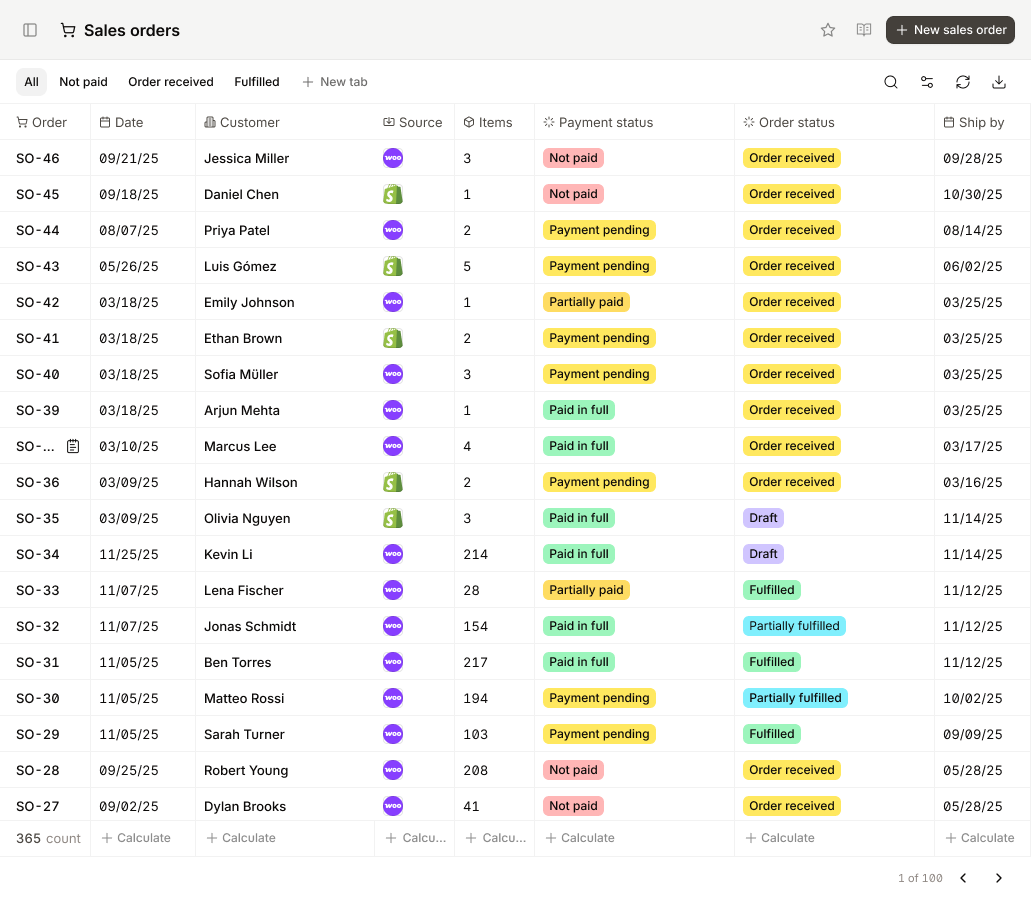
So, with an MRP, your materials and production schedules are aligned, and you’ll be able to see exactly when a specific component is needed to complete production, as well as gain real-time visibility into materials and orders (and have the ability to set up automatic alerts for shortages that could disrupt production).
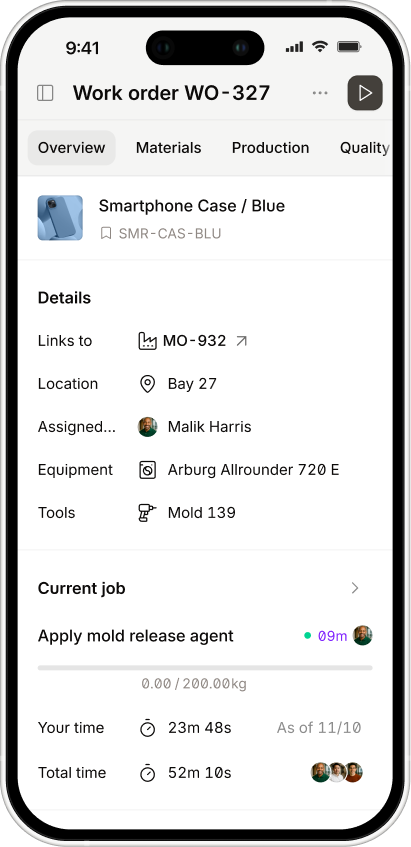
Want to see for yourself how an MRP software can centralize your purchasing, inventory, and production data in one real-time system? Try Digit! A cloud-based MRP system that gives manufacturers everything they need to start performing manufacturing capacity planning within their business. Try it today for free, and Digit will give you access to:
- All features, so you can test out everything
- Unlimited users and integrations, no capacity limits
- Live chat support if you have any questions
- Free live setup and coaching call when you’re ready to fully onboard



.jpg)