


What Is Food Processing?
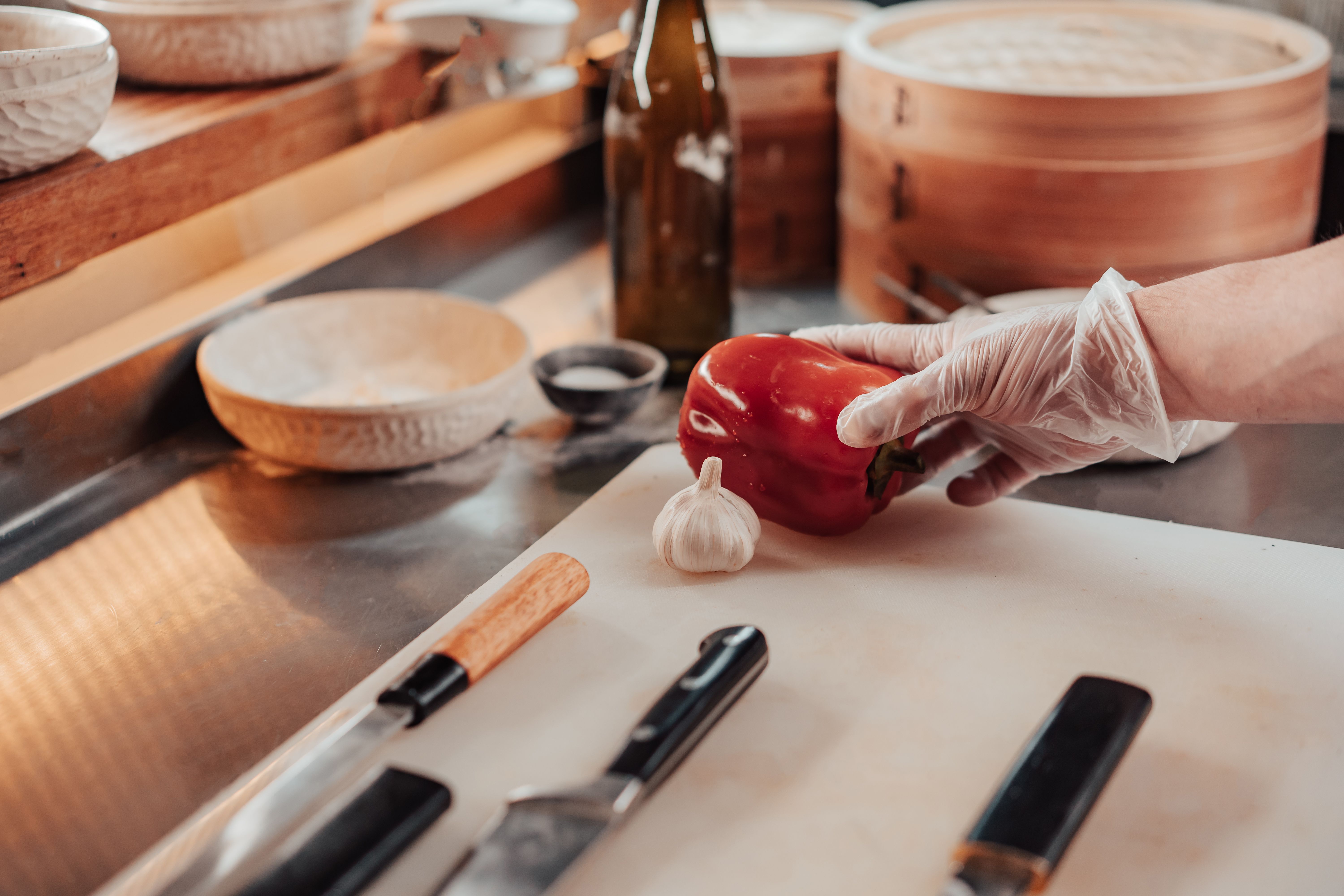
Food processing refers to anything that transforms a whole food product into something else that cannot be returned to its original state with the purpose of being consumed as a food or drink.
Anyone who has been on a weight-loss journey probably thinks of ultra-processed foods, such as microwaveable meals made from parts of animals you didn’t even know existed. However, food processing spans a very broad spectrum, from chopping a carrot into slices with a kitchen knife to blending water-pressurized bits of chicken meat into a paste to make chicken nuggets. So, food processing encompasses things like:
- Chopping
- Heating
- Pasteurization
- Canning
- Fermentation
What Is Food Manufacturing?
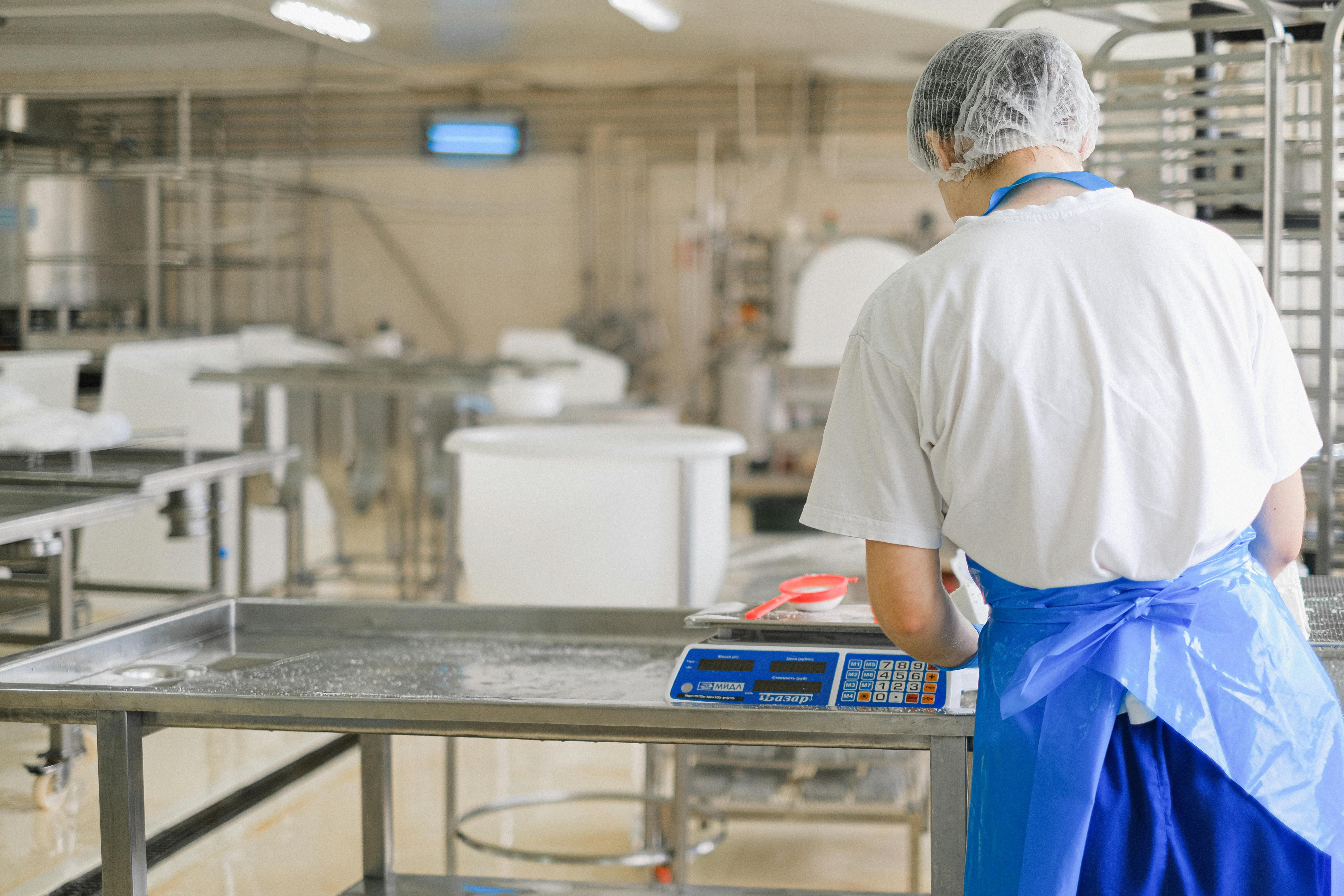
Now, food manufacturing, unlike food processing, refers to a specific way food is made on an industrial scale.
Food manufacturing refers to the large-scale, industrial process of taking raw agricultural materials or pre-processed ingredients and converting them into distributable food and beverage products. Food manufacturing includes food processes — that is how the food will be taken from one state and made into another. But food manufacturing also refers to all the operational steps that go into making something, such as:
- Preparation
- Formulation
- Cooking
- Packaging
- Distribution
The food manufacturing industry is heavily regulated across the globe, and food and beverage manufacturers need to meet safety and quality standards to legally sell their products. The purpose of these regulatory bodies is to ensure that the food items reaching consumers aren’t contaminated, are accurately labeled for allergens, and that manufacturers follow best practices to maintain a high level of hygiene throughout their production process.
According to Statista forecasts, global food manufacturing output is set to exceed $9 trillion by the end of 2026 — now that’s a lot of cheddar, showing the industry's economic weight and the complexity of keeping that output safe and consistent.
Food Processing vs. Food Manufacturing: Key Differences
As is the case with most definitions nowadays, food processing and manufacturing are used interchangeably — mostly because of the public's perception of what food processing is (big evil production lines making inedible food).
But as we’ve already explained, there is a difference. And that difference is:
- Food processing — the initial transformation of raw agricultural commodities into usable, safe, or preserved ingredients.
- Food manufacturing — uses those processed inputs and combines them into standardized, consumer-ready products.
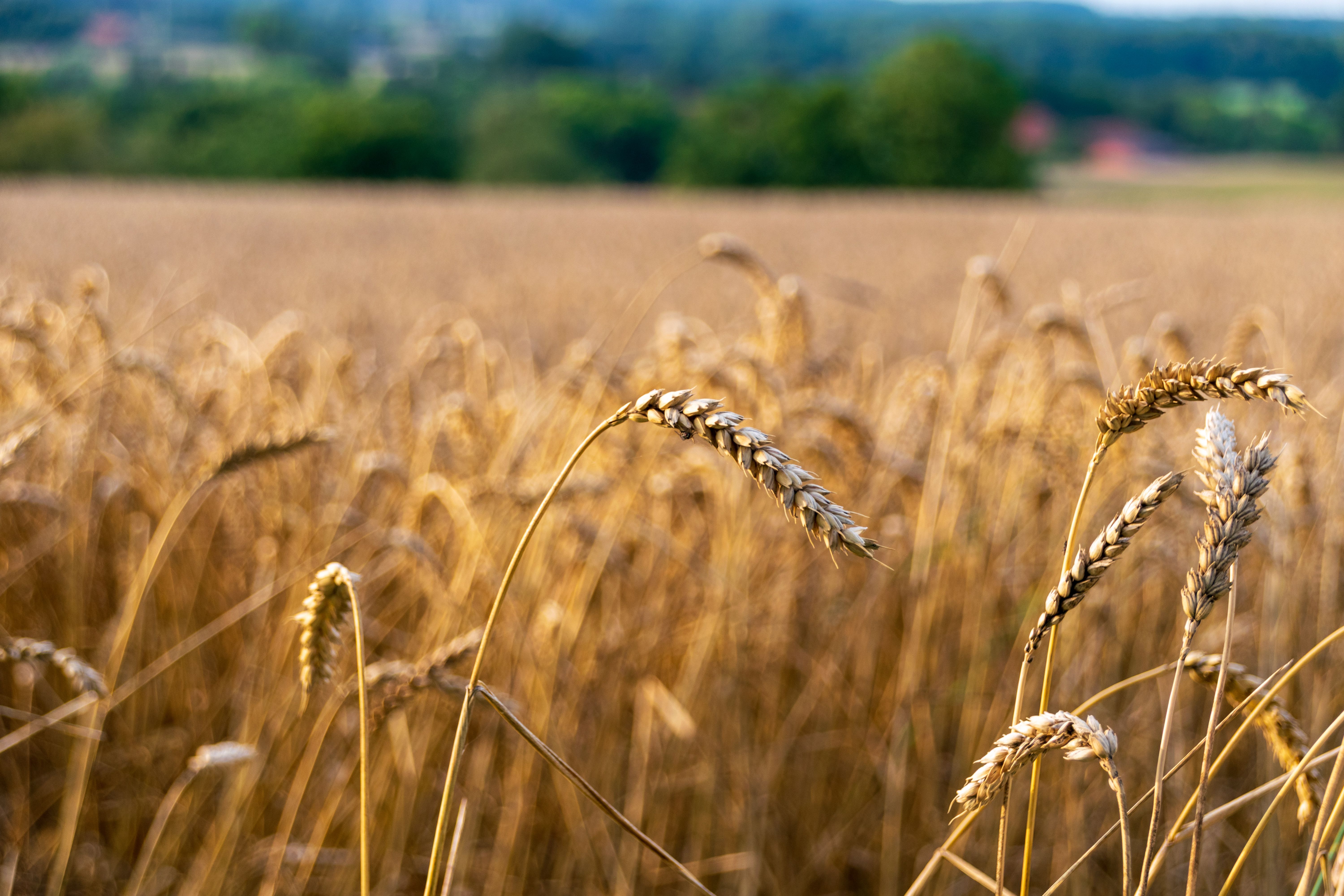
So, let’s imagine a business that makes bread, and we’ll follow some wheat on its journey.
First, the wheat is harvested. The farmer then sells that wheat to a miller. That miller takes the wheat and makes it into flour. That flour is sold to a manufacturer who makes bread. That flour is combined with other raw materials and baked into a loaf of bread. That bread is then sliced, packaged, and sold.
The flour is what is needed in the manufacturing process to make bread — and before it can be used, it needs to be:
- Sourced
- Inspected
- Processed
Food processing is concerned primarily with the stage at which wheat is transformed into flour. But, in food manufacturing, it's not only concerned about the quality of the items before and during processing, but because of regulatory obligations, food manufacturers have requirements to follow:
- Packaging compliance
- Allergen declaration
- End-to-end food traceability
Pro tip: If you want to learn more about food manufacturing, then we recommend checking out this article: What is Food Manufacturing: The Complete Beginner’s Guide.
Types of Food Processing
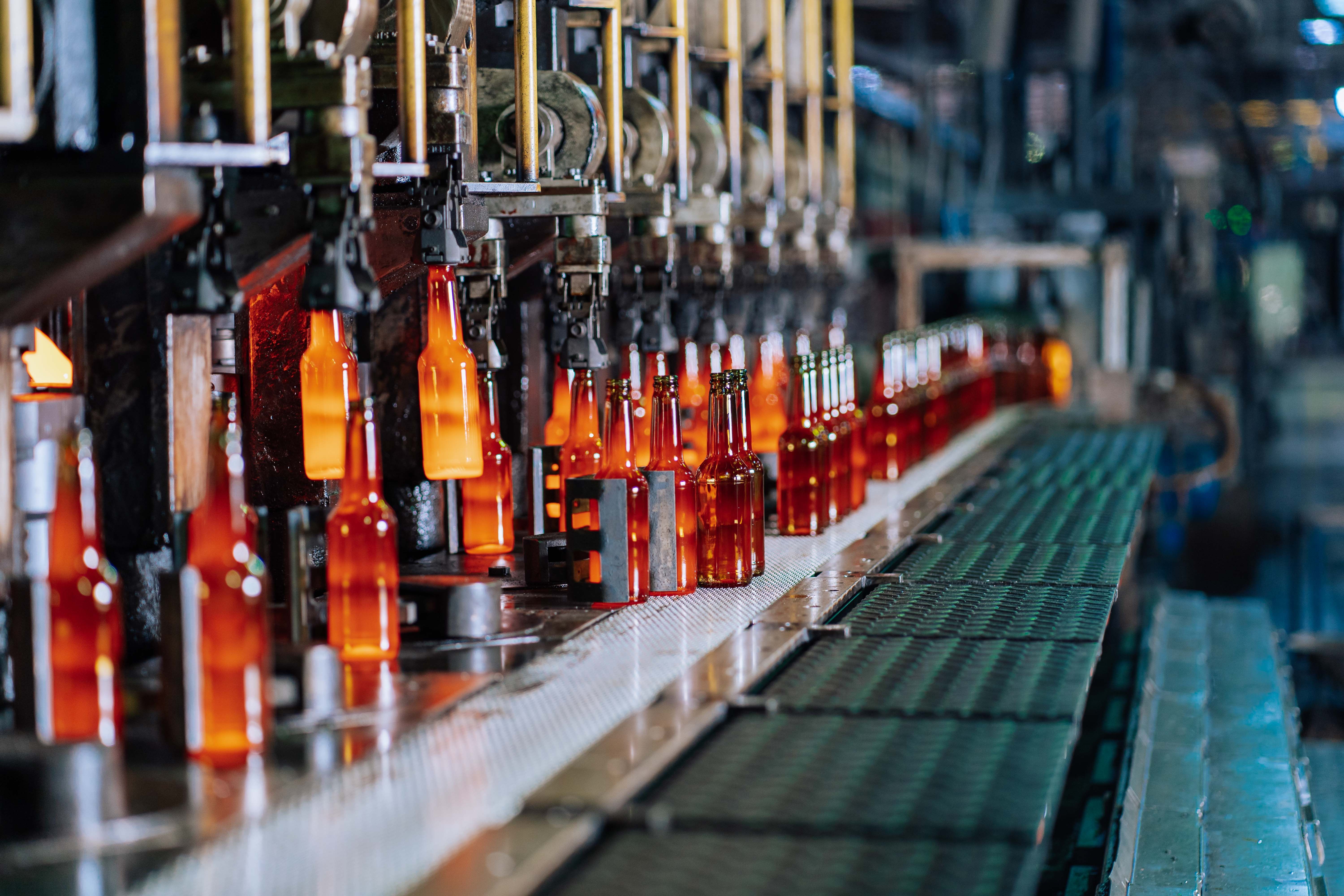
So, now that you have a clearer understanding of the difference between food manufacturing and processing, let’s delve deeper into what food processing is.
As we already slightly touched upon, processes come in many different shapes and sizes, and because of this, processing is typically categorized into five stages based on how the material is transformed. Starting with:
Minimal Processing
Minimal processing is pretty self-explanatory, involving very little intervention of the material, with the nutritional profile of the food remaining largely unchanged.
Minimal processing is usually best when the item will be used immediately or will only be in storage for a short time, without altering its natural characteristics. This will include processes such as:
- Washing
- Trimming
- Cutting
- Chilling
- Vacuum-packing
- Fresh packaging
Prewashed and chopped bags of salads, frozen vegetables, chilled cuts of meat — these are just some of the examples of minimally processed food products that have a short shelf life and are extremely reliant on cold chain logistics to not spoil.
Primary Processing
Remember our bread example from earlier? Well, during that journey, we only focused on the food manufacturing aspect and the creation of bread.
But one thing we glossed over was the milling of grain into flour — this is a great example of primary processing. Primary processing is the conversion of harvested agricultural materials into a stable, edible product. During this process, the material will undergo a change and look different from its raw material form, but it will not be the final product for consumption, as it will be a necessary ingredient for a final product.
Other examples of primary processes will be things like:
- Separating milk into cream and skim milk
- Pressing olives into oil
- Butchering and portioning meat
- Dehusking or polishing rice
Secondary Processing
Now, those ingredients you have from primary processes (like flour) can be transformed into a food product that you recognize, like bread.
This is the secondary process stage, which changes the taste, texture, and composition of something through different processes and techniques such as:
- Mixing
- Cooking
- Baking
- Fermenting
- Curing
- Smoking
If you take a stroll through your local supermarket, most of the goods you see packaged and branded are produced during the secondary processing stage, which requires more specialized equipment, skilled labor, and stricter food safety licensing than primary processing, but delivers significantly higher margins and market differentiation.
Tertiary Processing
Now we’ve reached the stereotype of food processing — the foods that celebrity chefs and dietitians love to criticise.
The tertiary processing stage is when you start to see ultra-processed food types, your highly refined, ready-to-eat, or ready-to-cook convenience foods that have been scientifically designed to:
- Have long shelf lives
- Be prepared as quickly as possible
- Be as market-appealing as possible
To achieve all three of these points, this food processing stage includes combining additives, preservatives, and flavorings, as well as using advanced manufacturing techniques such as:
- Retort processing
- Irradiation
- Modified atmosphere packaging
Preservation-Based Processing
Following tertiary processing, which extends shelf-life, this is also a processing stage in and of itself.
Preservation-based processing is when manufacturers do everything in their power to control microbial growth and prevent spoilage. While minimal, secondary, and tertiary processes largely follow one after the other, preservation-based processing is applied across the whole supply chain and manufacturing line. The goal here is to make sure that your food products are safe and made for longevity, but using methods like:
- Thermal processing (canning and sterilization)
- Pasteurization
- Drying and dehydration
- Freezing and chilling
- Fermentation
- Modified atmosphere packaging (MAP)
- Use of preservatives
Some of these techniques are ancient and have been used by humans for centuries, long predating industrial food manufacturing, while others in the list above come from recent technological advancements designed to refine the application of these techniques to improve consistency, safety, and quality control across both artisan and large-scale manufacturing contexts.
So, there you have it! Everything you need to know about food processing.
But, knowing the theory is one thing, it’s another thing to actually manage and maintain large-scale production of food products. If you’re a manufacturer struggling to bring order to your manufacturing processes, one solution could be to adopt software to manage them.
Software and Operational Needs in Food Manufacturing
.jpeg)
Running a food manufacturing or processing operation at scale requires purpose-built software. General-purpose business tools introduce risk at precisely the points where food operations are most exposed:
- Batch consistency
- Ingredient traceability
- Allergen control
- Regulatory documentation
That’s why we wrote the following checklist for you to use if you’re on the lookout for food processing software.
Regulatory Compliance and Traceability
Food manufacturing software must support end-to-end lot traceability across every batch produced.
This means maintaining Electronic Batch Records (EBRs) that log the who, what, when, and how of each production run in real time, with time-stamped operator sign-offs and machine data where available. Audit-ready HACCP documentation and automated audit trails for FDA, SQF, BRC, or ISO inspections should be built into the system rather than bolted on.
Recipe and Formula Management
Formulation data managed in uncontrolled spreadsheets is an operational and compliance liability.
Dedicated recipe management functionality should include version-controlled Bills of Materials (BOMs), scaling tools for batch size adjustments, allergen flagging, and nutritional analysis. Critically, the system should connect recipe data directly to production planning and label generation, so that when a formulation changes, downstream documentation updates automatically rather than through manual intervention.
Inventory and Expiration Management
Perishability makes inventory management in food manufacturing more complex than in most industries.
Systems should support real-time visibility into raw materials, work-in-progress, and finished goods, with lot-level tracking and automated enforcement of FIFO (First-In, First-Out) or FEFO (First-Expired, First-Out) rotation methods. Demand forecasting and automated reorder triggers help prevent both stockouts that halt production and overstocking that leads to spoilage.
Quality Assurance
QA functionality should embed testing checkpoints directly into the production workflow rather than treating quality as a separate downstream function.
This includes tolerance validation for raw material intake, in-process quality checks, and finished product release criteria — with nonconformance reporting and corrective action workflows tied to the same system.
Production Scheduling and Equipment Efficiency
Scheduling tools should synchronize material availability with plant capacity in real time, reducing bottlenecks and idle time.
Overall Equipment Effectiveness (OEE) tracking provides production managers with visibility into downtime, throughput losses, and equipment performance, enabling preventive maintenance planning before failures affect output.
Supplier Management
Supplier data should be integrated into the same system as batch records and quality events rather than managed separately.
Approved supplier lists tied to specific ingredients, document control workflows for certifications and audits, and performance tracking for delivery reliability and defect rates all contribute to a clearer picture of supply chain risk and faster response when a supplier issue affects production.
Pro tip: If you’re searching for a tool to implement sooner rather than later, then you can get a quick head start by checking out our article on the 7 Best Food Traceability Software in 2026.
How Digit Addresses These Needs
Digit is a food and beverage manufacturing platform built around helping you improve your inventory control, implement traceability, manage your recipes, optimize production scheduling, and handle procurement in one connected system rather than spread across disconnected tools and spreadsheets.
With Digit, you can improve:
- Traceability and batch recordkeeping: Tracks every lot from receiving through to finished goods via real-time barcode scanning, with batch histories linked across purchasing and production for complete, auditable recordkeeping.
- Recipe and BOM management: Version-controlled Bills of Materials with cost tracking, single- and multi-level BOM support, and actual yield tracked against expected yield after each production run.
- Inventory and expiration control: Real-time visibility into raw materials, work-in-progress, and finished goods across multiple sites, with ingredient-level reorder points and demand-driven production planning.
- Production scheduling and shop floor control: Material availability connects directly to job planning, with operators, managers, and inventory sharing a single live view of production status.
- Purchasing and supplier oversight: Purchase order management links procurement directly to inventory, ensuring incoming materials are tracked from order through to putaway and immediately available for traceability.
Sound interesting? Head over to Digit and book a demo with us, and we can show you firsthand how exactly Digit can help you manage your food processing and manufacturing.