



What Is FEFO in Inventory Management?

FEFO, meaning First Expired, First Out, is an essential inventory management method for making sure that the products that are due to expire first are the first items to be:
- Picked
- Sold
- Consumed
This is done regardless of when the product was first received into inventory.
The purpose of this is to strike a balance between ensuring your customers can get their items with sufficient remaining shelf life, while reducing waste and spoilage, and avoiding the operational costs of disposing of spoiled inventory.
FEFO vs FIFO: What's the Difference and When to Use Each
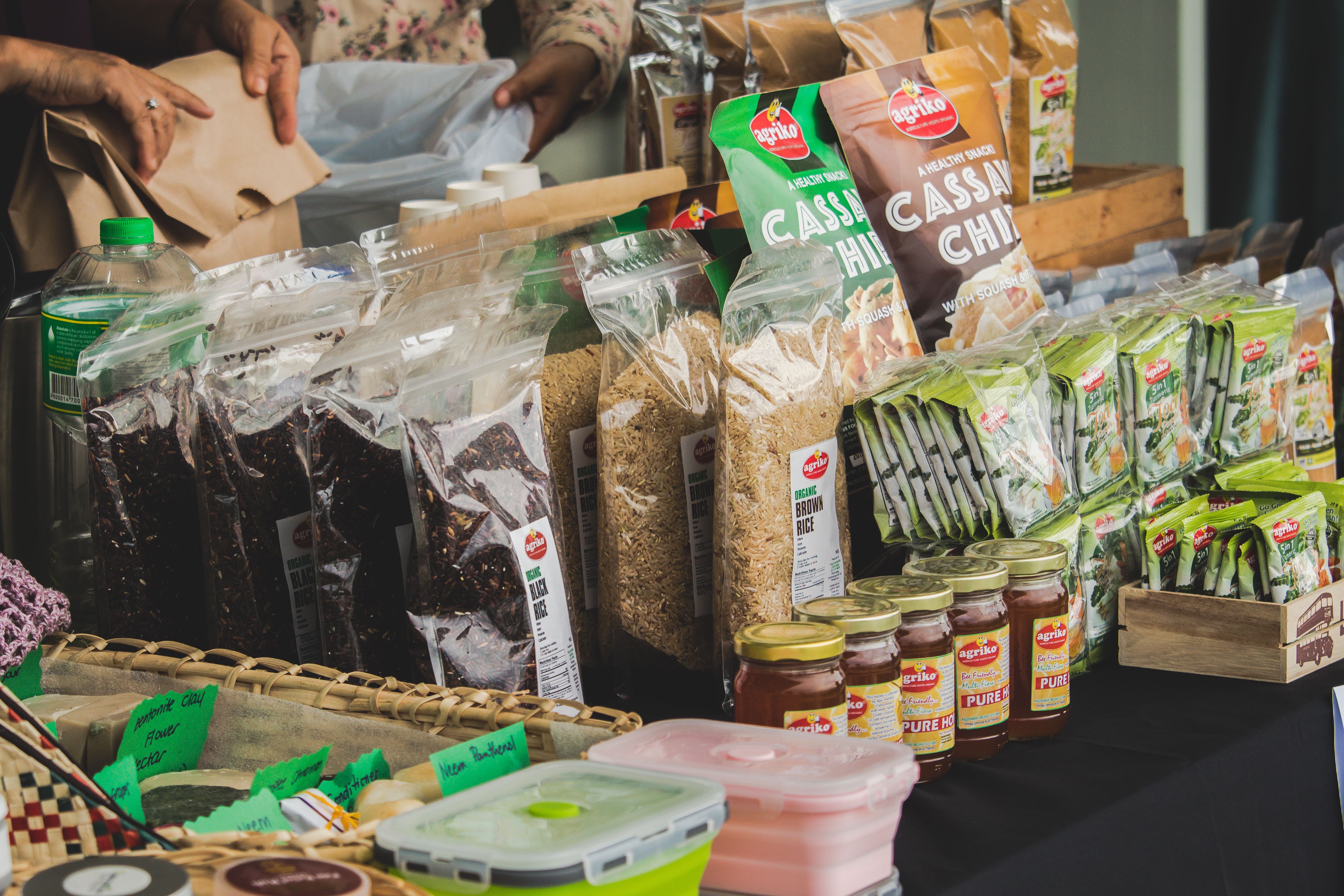
It’s likely that if you’re a business managing perishable goods, you've also heard the term FIFO.
FIFO (which stands for First In, First Out) is another inventory management method in which inventory is sold or consumed based on when it was received into inventory, so the oldest item in stock is always the first to go.
It’s a small difference, but in practice, choosing FEFO or FIFO is important because it dictates when inventory should be sold or written off.
FIFO: Chronological Stock Flow
As already explained, FIFO shows respect to the elders by ensuring the stock flow is chronological, so the oldest piece of inventory is the first to go, preventing it from becoming obsolete or spoiling.
This tactic can be used for food inventory, but it’s a great method for managing non-perishable goods like electronics, clothing, and certain types of raw materials. What makes it good for these types of items is that they may not carry an expiration date, but they do run the risk of becoming obsolete due to:
- Technological advancements
- Seasonal demand
- Cultural trend shifts
FIFO also comes with its own accounting advantages too, as your older and (potentially) lower-cost inventory is expensed first, allowing you to get a more accurate picture of your historical cost stability. However, the other side of the coin is that historical cost can also inflate because of things like inflationary periods, which will increase your tax obligations.
Where FIFO Falls Short
As simple as the FIFO method is, its biggest issue is that it ignores expiration dates, which can quickly become problematic.
For example, let’s say you receive two purchase orders, each in a separate batch, a couple of days apart. Your first batch will expire in 1 week, but your second batch will expire in 4 days. Using the FIFO method, you would use the first batch first and very likely lose the second batch to spoilage. POs arriving with different dates are a common occurrence for industries such as:
- Food and beverage
- Pharmaceuticals
- Cosmetics
Tracking Complexity
As already mentioned, using FIFO might be straightforward, but the trade-off is the inability to manage the operational complexity that comes with certain types of inventory.
FIFO is only concerned with tracking the arrival date of something, and most warehouse management systems handle this effortlessly. But to pull off FEFO, you’re going to need a tool that provides batch-level expiration data tracking for all your SKUs. To pull this off effectively, you’re going to need to maintain rigorous record-keeping and functionality that can surface the soonest-expiring stock at the point of pick.
Here’s a comparison table giving you a quick overview of the differences between FIFO and FEFO:
5 Reasons FEFO Matters for Food and Beverage Manufacturers

As already explained, FEFO is essential if you need to manage inventory with expiration dates, so it probably goes without saying that for food and beverage manufacturers, it’s a mandatory requirement for managing perishable goods.
Without using a proper stock rotation method like FEFO, your business will run into a bunch of problems, such as:
- Ingredient write-offs
- Rejected deliveries
- Failed audits
- Production stoppages
That’s why we’ve decided to outline just exactly how FEFO will help you ensure you’re getting the most out of your inventory.
1. Waste Reduction and Sustainability
It goes without saying, but every item you have to dispose of is a wasted cost.
But, it goes beyond the purchase cost, and there’s a bunch of hidden costs too, meaning you’re losing more money than you might probably realize, such as:
- Storage costs
- Disposal costs
- The lost opportunity of the space it occupied
By using FEFO and better monitoring of your batches, you’ll be able to identify your short-dated items and get them into production or get food distributed before they become a problem.
It’s not just your profit margins that will increase by implementing FEFO. According to the UN's Intergovernmental Panel on Climate Change, the food and beverage industry is responsible for around one-third of global greenhouse gas emissions, and food loss is a large contributor to these emissions. Adopting FEFO and reducing waste are tactics to promote more sustainable practices in your production.
2. Shelf Life Compliance and Customer Relationships
If you’re a manufacturer who wants to start partnering with retailers and distributors, then a rule of thumb these businesses use when purchasing perishable inventory is that the products they purchase need to have at least 60% of a product's total shelf life remaining.
Without using FEFO, you’re going to continuously miss that narrow window, which will lead to:
- Rejected pallets
- Penalty fees
- Strained buyer relationships
FEFO will help you ensure your team always picks the products with the shortest viable shelf life for your partners. Then, beyond the contractual obligations you have with partners, if you’re able to consistently deliver the freshest products to them, this will help strengthen long-term buyer relationships.
3. Regulatory Compliance and Recall Readiness
This is extremely important for food and beverage manufacturers, as food safety regulators across the planet require businesses to be able to prove that they have full end-to-end traceability within their business.
Systems that help you manage FEFO include the legally required lot-level record-keeping and make traceability possible as a byproduct of normal operations rather than a separate compliance exercise. With a properly implemented tool, if a quality issue with your products arises, FEFO will help you trace and locate the affected batches within a couple of hours — enabling you to perform a recall and stop any compromised items from reaching circulation.
This is taken seriously by many regulatory agencies, as the WHO reports that one in ten people falls ill from unsafe food worldwide. Rigorous expiration management doesn't eliminate all risk, but it removes a category of preventable exposure entirely.
4. Cash Flow and Operational Efficiency
It’s not just the partners you supply that are expecting the freshest products when they place an order, but you too should be holding your supplies to the same standards.
Procurement of raw materials accounts for a large part of your expenses, so you want to make sure you’re getting your deliveries as soon as possible and as safely as possible. Every ingredient you receive that expires before it reaches production is a lost opportunity, and there’s no way to recover those sunk costs. What FEFO does is help accelerate the conversion of purchased materials into final products, by keeping the oldest-expiring stock in rotation and using up the stuff that is soon to expire — improving inventory turnover and freeing up storage capacity that would otherwise be tied up by stagnant stock.
When it comes to improving operations, the FEFO method gives your operators a clear understanding of which inventory to use, eliminating the need for manual spot checks or supervisory intervention.
5. Production Planning and Supplier Relationships
Finally, FEFO will help you better tie inventory to manufacturing, improving your production scheduling.
When you or your production planning managers have a clear picture of which batches are at risk of spoiling, production runs can be better organized around current ingredient availability rather than rushing production to avoid losing inventory.
That stability extends upstream.
Demand forecasting based on actual usage patterns provides suppliers with more reliable order signals, reducing the frequency of emergency replenishment orders that strain relationships and lead times.
Common Challenges When Applying FEFO Without Software
.jpeg)
Something that we have touched upon a little in this article is how FEFO is best supported with food traceability software, but we haven’t exactly talked about the why.
Technically, it is possible to handle FEFO manually, but it would be a significant operational burden on your team. Software can handle all your FEFO tracking automatically, and anything it can do, if you decide to take the manual route, will become someone's responsibility and expose your production to human error.
Let’s explore these challenges further.
Expiry Capture at Receiving
FEFO only works if expiration dates of items are being properly recorded when they are received.
So, if you rely on manual logging to document and maintain this information, you’re opening yourself up to problems such as:
- Misread dates
- Inconsistent formats
- Illegible supplier labels
Once that date is incorrectly recorded, there will be no way to recover this information later down the line, and a batch detailing the wrong expiration data will have a knock-on effect as you’ll be selling or using the wrong items.
There is no downstream correction mechanism — a batch logged with the wrong expiry date will be sequenced incorrectly from that point forward.
Defaulting to FIFO
With no software explaining exactly which items are needed for an order, it’s only a matter of time before staff revert to the FIFO method to save time spent checking the entire shelf to read and compare expiration dates.
With software, all they have to do is check the expiration date in the system and make sure it matches the item they pick from inventory.
Scalability and Sustainable Compliance
When done manually, there are a bunch of different ways you can go about keeping on top of your inventory:
- A color-coded sticker system
- Printed bin cards
- Spreadsheet logs
Whatever method you choose, manual FEFO at small volumes can give you approximate levels, but once orders start to increase, everything will fall apart.
As you increase your SKUs, batch sizes, or throughput, the manual overhead required to maintain your system increases too, and soon it starts to eat into your team's capacity, making it extremely difficult to implement manual FEFO.
And there you have it! Everything you need to know about FEFO and how to implement it into your business. If you’re a manufacturer who has reached that capacity overload we just explained and are looking for a tool to help manage your perishable inventory, then we recommend checking out Digit.
Managing FEFO with Digit
The manual workarounds all share a common ceiling:
They rely on human consistency at every step.
Digit removes that dependency by embedding expiration date logic directly into core workflows.
Each item is configured with serialized tracking, which assigns a unique Label ID to every lot received or produced. An Expiration Date custom field is added at the item level and flows through automatically to every label generated from that point forward — at receiving, at production output, and through to picking and fulfillment.
When operators pick for a Manufacturing Order or Sales Order, Digit's Labels view surfaces all available lots for an item sorted by expiration date, so the earliest-expiring stock is always identifiable before a pick decision is made. Where a pick doesn't consume an entire lot, label splitting allows partial quantities to be picked while carrying the original expiration date through to the remaining stock — maintaining traceability without forcing full-lot consumption.
Ongoing audits are handled in the same Labels view, where missing expiration dates are immediately visible and traceable back to the receiving or production event where the gap occurred.
Want to see for yourself? Head over to Digit and book a call to see how it can help you take control over your FEFO inventory management processes.

%20(2).jpg)