

What is B2B Supply Chain Management?

B2B supply chain management involves coordinating the flow of goods, data, and relationships across an entire network of partners. A contract manufacturer sourcing components for production depends on suppliers for materials, while wholesaler ordering in bulk depends on that manufacturer for large, consistent orders.
Their needs may be different, yet they depend on each other to run well. When one link in the chain fails, the whole network feels it. Shared visibility for availability, location, lead times, and shipping matters for everyone.
Businesses often do have a hybrid model of B2B and B2C supply chains, but they’re different things. With B2B, you’re dealing with larger order volumes, long-term vendor contracts, and a complex network of raw material producers, manufacturers, distributors, and retailers. All need to be coordinated, supplied, and kept happy.
5 Key Components of B2B Supply Chain Management
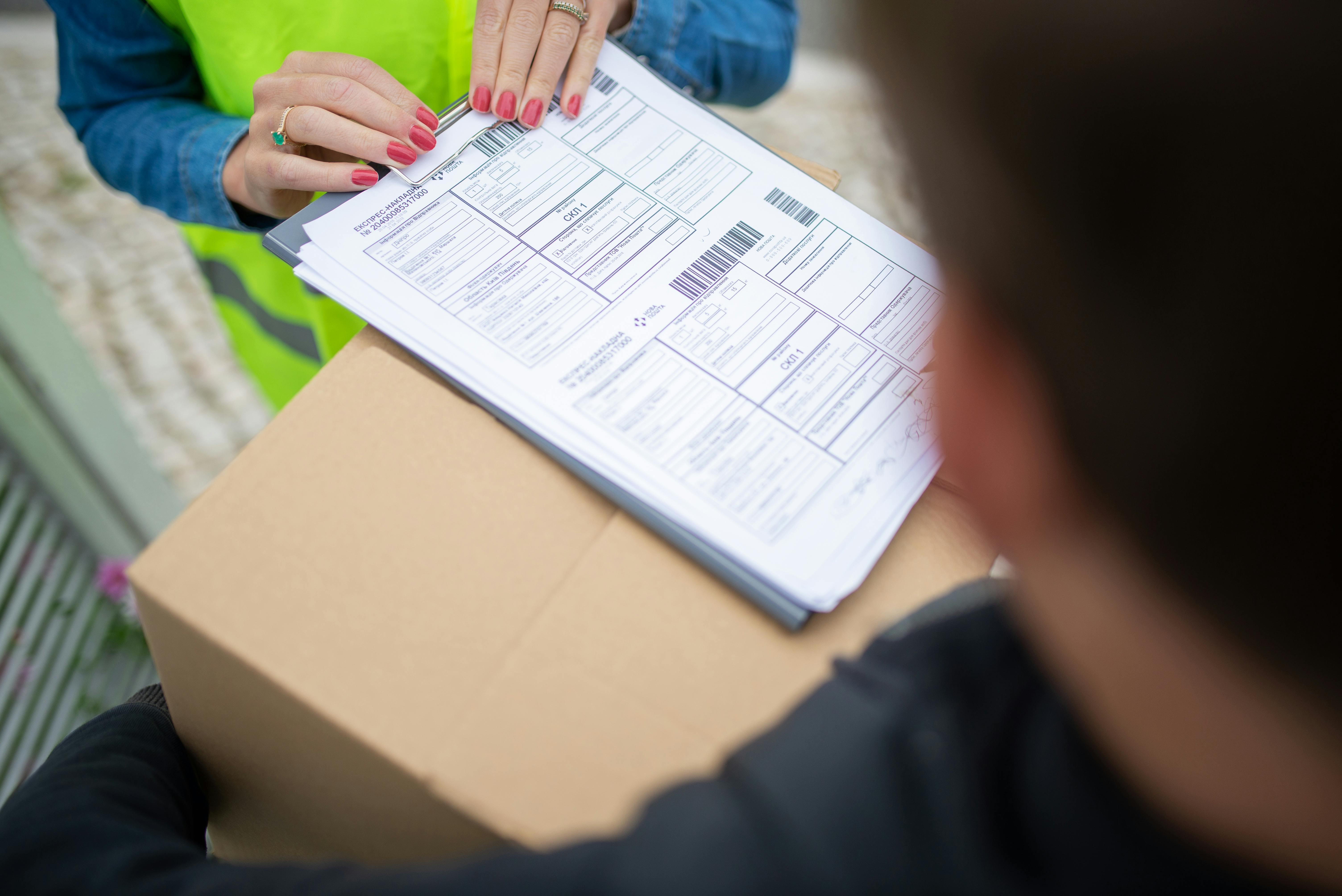
In B2B, supply chain management comes down to two things: managing relationships and maintaining end-to-end visibility from purchase order to fulfillment.
To get everyone on the same page is the tricky part. It takes serious planning, end-to-end transparency, and the ability to act on your data rather than just collecting it. Here are the key steps in B2B SCM:
1. Planning
Every supply chain starts by planning the budget, managing inventory levels, and knowing where to pivot if things go wrong.
In B2B, this gets more complex, as you're dealing with longer lead times, large order volumes, and contractual commitments. Demand planning keeps your supply chain responsive to what your network needs and resilient enough to handle disruptions without everything falling apart.
But planning is only as good as the data behind it. Without accurate, real-time visibility into what's actually happening across your supply chain, you're not planning. You're guessing on a spreadsheet.
2. Sourcing and Procurement
In B2B spaces, sourcing is the true first step in the supply chain. Finding a reliable flow of materials includes finding the right suppliers, negotiating deals, and making sure orders show up on time. Building strong, collaborative relationships with your suppliers is what makes the difference when disruptions hit. You recover faster, and you're not doing it alone.
Good procurement means that if a supplier flags a delay or can't meet your terms. You’re prepared, and you've already got a backup ready to go. The show must go on.
In B2B supply chains, teams often juggle hundreds of suppliers at the same time. Without shared visibility between sales and operations, small disconnects quickly turn into stockouts, delays, or expensive surprises.
If you have a system that knows your inventory levels, understands which purchase, transfer, or sales orders are open or complete, and can tell you production demand you’re never caught off guard.
3. Manufacturing and Production
Once materials are in hand, execution takes over. It’s simple in theory; match real demand with real capacity. Connected manufacturing systems tie sales orders, material availability, and work orders together, so your team always knows what can be made and when.
With live inventory, lot tracking, and production status all visible, you can catch issues early and keep quality tight.
4. Inventory Management
Inventory management is the trickiest part of B2B SCM. Physical goods tie up capital and take up space, especially when the materials you build with don't move in and out of warehouses quickly. But running too lean has its own costs, such as rush jobs, expedited shipping, and last-minute supplier calls adding up fast.
Good inventory management gives you real-time visibility across locations, lot-level traceability, and a system that connects purchasing, production, and outbound orders so you're replenishing based on what's happening now.
5. Logistics and Distribution
Even the most efficient operation falls apart if fulfillment isn't precise. In B2B, you're managing lot-specific picking, shipment documentation, and traceability on every single outbound order, at scale.
When your fulfillment workflows are tied directly to live inventory data, you cut errors, ship faster, and always know exactly what left the warehouse and when.
The Differences Between B2B vs B2C Supply Chain

On the surface, B2B and B2C supply chains do the same thing. You’re moving physical products from one place to another. But the way they operate underneath couldn't be more different.
Order Volume and Transaction Size
B2B supply chains are built around bulk. Businesses place large, recurring orders like pallets, containers, sometimes entire truckloads, and each transaction means putting up a significant portion of a supplier's total revenue.
Procurement teams plan these purchases, often negotiating deals, and committing to suppliers for a long time. B2C transactions are smaller and more frequent, since individual consumers buy items for personal use.
Negotiations and Payment Terms
In B2B, almost everything is negotiable. Pricing, quantities, delivery schedules, and payment terms are all on the table, and deals are shaped by the strength of the relationship and the volume each party brings. It's not unusual for payment terms to stretch to net 30, 60, or even 90 days. B2C prices are fixed, publicly displayed, and consumers pay upfront at the point of purchase.
Customer Relationships and Contract Dependency
B2B supply chain relationships are long-term and strategic. A single client can account for a substantial share of a supplier's revenue. B2C relationships tend to be more transactional, where loyalty is earned through the quality of the experience rather than a contractual obligation.
Supply Chain Length and Complexity
B2B supply chains are generally more linear. A manufacturer produces goods, a wholesaler distributes them, and a business buyer places orders on a predictable schedule. The focus is on efficiency, scale, and reliability.
B2C supply chains, particularly in ecommerce, are considerably more complex. Products pass through manufacturers, distributors, fulfillment centers, and multiple carriers before reaching the end customer.
Returns and Reverse Logistics
Returns in B2B are typically governed by contract. They involve formal processes
- product inspections
- restocking fees
- longer resolution timelines
They tend to happen less frequently because the purchasing process is more controlled to begin with.
In B2C, returns are a routine part of the operation. Consumers expect them to be fast, simple, and painless, and a clunky returns process damages trust.
Technology and Automation Priorities
Both models rely on tech with the same underlying capabilities: real-time inventory, demand forecasting, and order tracking. They're applied differently though. In B2B, operations take priority:
integrating with ERP or inventory visibility systems, automating purchase orders, and using data to prevent disruptions before they happen. In B2C, the same data gets pushed to the consumer-facing layer, where speed and live visibility are part of the product experience.
6 Core Challenges in B2B Supply Chain Management

Managing a B2B supply chain becomes more challenging over time with more suppliers to manage, higher customer expectations, tighter regulations, and increasing pressure to operate sustainably. Here are the most significant challenges businesses are up against.
1. Supply Chain Visibility
Without real-time visibility across the supply chain, you’re essentially operating in the dark. When you can't see where shipments are, how much stock is sitting in a warehouse, or where a delay is developing, it becomes very difficult to make good decisions.
It's one of the reasons real-time tracking and supply chain automation have become such priorities for businesses looking to stay competitive.
2. Demand Volatility and Forecasting
Historical data alone is no longer enough to navigate shifting conditions in demand. Businesses increasingly need forecasting tools like predictive analytics and AI planning assistants to get ahead of demand rather than constantly reacting to it.
3. Supplier Dependency and Disruption Risk
Staying local or sticking to a few suppliers keeps things simple and predictable. But building a diversified supplier base across different geographies gives businesses the flexibility when something goes wrong. Anything from tariffs, to a natural disaster, or a geopolitical tension affects production.
4. Technology Integration
Adopting new technology is one thing. Getting it to work well with your team and everything else is another. Many B2B businesses struggle to integrate ERP systems, procurement platforms, and warehouse management tools into a single coherent operation.
When systems don't talk to each other, data gets siloed, visibility suffers, and the efficiency gains the technology was supposed to deliver never quite materialize. And even when the right system is in place, adoption is its own challenge. Tools only work if the people using them actually understand them. That makes onboarding ease and training just as important as the software itself.
5. Regulatory Compliance
Operating across borders means navigating a constantly shifting landscape of compliance requirements.
- Customs documentation
- Data protection laws
- Import and export regulations
- ESG standards
All of this criteria adds layers of complexity and cost. Non-compliance means delayed shipments, financial penalties, or reputational damage, and keeping up with requirements across multiple regions is a persistent pressure for supply chain teams.
6. Rising Costs
Transportation costs, raw material prices, and operational expenses keep climbing. When costs rise, margins tighten, and businesses that haven't built efficiency into their operations feel it most. Keeping the supply chain lean without sacrificing reliability is an ongoing balancing act that requires constant attention.
4 Technology Trends Shaping B2B Supply Chain Management
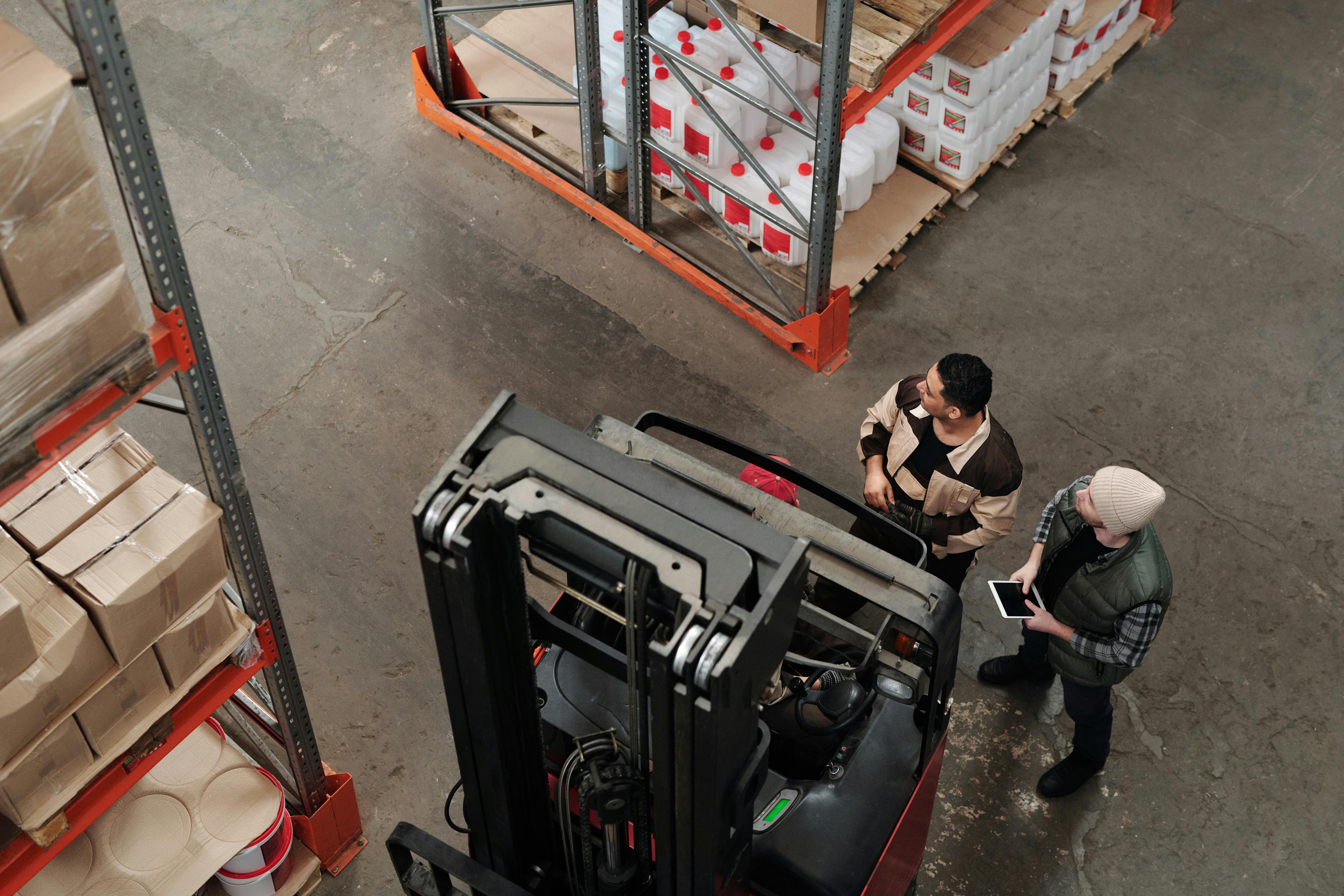
The way B2B supply chains operate is changing fast. Here are four of the most significant trends reshaping how physical goods move through the supply chain.
AI and Automation
Artificial intelligence and automation are no longer on the horizon. They're already embedded in the supply chains of businesses that are serious about efficiency. AI-powered systems are being used to forecast demand with far greater accuracy than traditional methods. This allows businesses to automate procurement decisions based on live market conditions.
In warehouses, robotic process automation and autonomous vehicles are handling fulfillment tasks that used to rely entirely on manual labor, reducing errors and speeding up throughput considerably.
IoT Integration
For businesses dealing in perishable or temperature-sensitive goods, the kind of real-time monitoring you get with IoT is be the difference between a successful delivery and a costly write-off. More broadly, IoT connectivity means that problems can be identified and addressed before they become disruptions, rather than being discovered after the damage is done.
Supply Chain Resilience and Digital Twin Technology
Digital twin technology creates a virtual replica of a supply chain that businesses can use to model different risk scenarios and test responses before anything goes wrong in the real world.
Nearshoring
For years, the dominant logic in global manufacturing was to source from wherever costs were lowest, regardless of geography. That logic is being reconsidered. Geopolitical instability, rising international freight costs, and hard lessons learned from pandemic-era supply chain failures have led many businesses to bring production closer to their home markets.
Nearshoring reduces lead times, lowers dependency on long and unpredictable global supply routes, and has the added benefit of cutting transportation emissions. It won't replace global sourcing entirely, but as a strategy for reducing exposure to disruption, it's gaining serious traction.
3 Things to Look for in B2B Supply Chain Management Software
Managing a B2B supply chain manually becomes unsustainable quickly. As order volumes grow, supplier networks expand, and customer expectations rise, businesses need software that can keep pace. But not all platforms are built with B2B complexity in mind, so knowing what to look for matters.
1. Visibility into Operations
At a minimum, a good platform for SCM should give you real-time visibility across your entire operation. Look for platforms that allow you to easily access incoming materials and production progress through to outbound shipments and delivery status.
Without a single source of truth that aligns easily with the workflow on the shop floor, teams end up reconciling conflicting data. They make decisions on outdated information, and firefight problems that better visibility would have caught earlier.
2. Operations that Moves Faster
Beyond visibility, look for software that handles the operational complexity specific to B2B. That means:
- Robust inventory management with reorder alerts and safety stock controls
- Demand forecasting tools that help you stay ahead of fluctuations
- Procurement functionality that can manage supplier relationships
- Purchasing workflows without constant manual input prone to errors
3. Simple Warehouse Management Capabilities
Warehouse management capabilities like picking, packing, barcode scanning matter too, particularly for businesses where fulfillment accuracy directly affects buyer relationships.
On the sales side, B2B transactions require more than a standard order form. Customer-specific pricing, quote management, purchase order support, and account approvals are all table stakes for a platform serving wholesale or distribution businesses.
And since B2B buyers increasingly expect the kind of transparency that was once only common in B2C, a customer portal that gives buyers real-time access to their order status and account history is fast becoming a differentiator rather than a nice-to-have.
Finally, integration matters. A supply chain platform that can't connect with your existing commerce channels, accounting tools, or ERP systems will create more problems than it solves. Flexibility and API access are worth prioritizing from the start.
How to Optimize Your B2B Supply Chain
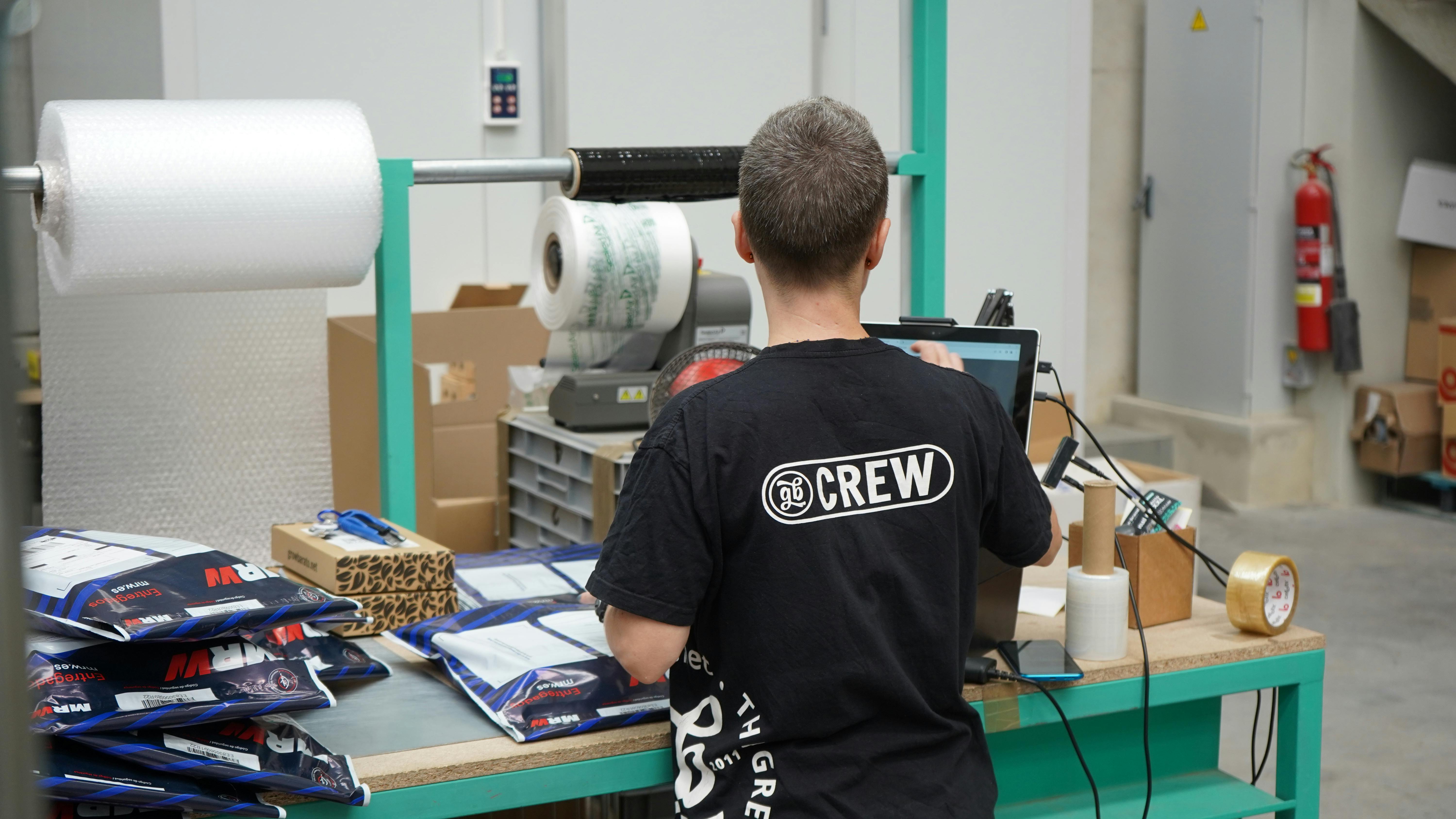
Optimizing a B2B supply chain isn't a one-time project. The businesses that do it well have clear visibility, make decisions based on data, and have built flexibility into their supplier networks.
The foundation is getting your core processes of procurement, inventory, production, and logistics, out of siloed systems and into a unified operation where information flows freely between them.
Tools only deliver value when the processes and people around them are ready to use them well. The businesses seeing the strongest results from supply chain investment build the operational discipline to make it count.
How Digit Optimizes Your B2B Supply Chain
Digit is built specifically for the operational complexity that growing B2B manufacturers and distributors face. At its core is a unified, real-time ERP that connects purchasing, inventory, production planning, sales orders, and accounting in a single system.
As materials arrive, goods are produced, and orders ship, inventory updates instantly, giving teams the visibility they need to prevent stockouts, avoid overselling, and keep lead times accurate.
Digit's inventory management tools help businesses stay ahead of demand rather than constantly catching up with it. Warehouse workflows with barcode scanning reduce fulfillment errors and speed up throughput, while the quote-to-order process keeps sales and operations aligned with customer-specific pricing and streamlined order management.
For buyers, Digit's customer portal replaces the back-and-forth of email updates with real-time access to order status, shipment details, and full account history. Digit integrates with common commerce and accounting tools and offers flexible API access, so centralizing operations across multiple channels is straightforward from day one
.jpg)