%201.svg)





The Current State of B2B Ecommerce in 2026

B2B ecommerce is no longer a digital-first experiment. It is the default buying channel for a growing majority of business buyers. The global B2B ecommerce market is projected to reach $36 trillion by 2026, growing at a 14.5% compound annual growth rate. For context, that is roughly six times the size of the B2C market.
A report from Craftberry shows that 61% of B2B buyers would rather not involve a sales representative. The buyers making those decisions today are millennials who grew up with frictionless consumer purchasing. They bring those expectations to every procurement decision they make at work.
B2B markets span producers, resellers, governments, and institutions, but it's manufacturers and distributors feeling the most pressure to digitize right now. The real competition is over which platforms capture the order. Operators who build the infrastructure now will pull ahead of the majority still operating on manual processes and phone-based ordering.
AI-Powered Automation and Personalization

AI as an industry trend in B2B ecommerce is not really about chatbots. Rather, it’s about making large, complex catalogs navigable and making buyer behavior data insightful and actionable.
Most B2B buyers expect personalized experiences comparable to consumer ecommerce. In manufacturing, that means a buyer logging into your platform should see their own pricing, their own order history, and product suggestions based on what their operation actually buys.
In manufacturing, a buyer who can't find the right part number fast doesn't wait. They pick up the phone, which costs you more to serve and pulls your sales team away from higher-value work. AI is only as good as the data it is fed. Clean, structured product data and synchronized order history is an important thing to have before thinking about AI tooling.
Mobile Commerce and Multi-Channel Integration

B2B buyers no longer sit at a desk to manage procurement. Buyers want to make purchases on mobile devices, during site visits, between meetings, and out of the office.
Your buyer might check inventory availability on a phone. They may reorder from a tablet, or track an order status between production floor walkthroughs. Desktop only purchases create friction; especially if buyers are trying to decide fast.
Multi-channel integration is the infrastructure that makes this possible without creating operational chaos. Each platform, like direct storefronts, distributor portals, or marketplace channels, handles inventory, pricing, and order data with their own workflow. So, it's something to keep in mind when expanding.
Without a connected system beneath them, those differences create data silos. Running Shopify, Amazon, and a direct sales channel without a connected system is like having three cash registers that never talk to each other. Every shift ends with someone manually reconciling three different tallies.
You don't want inconsistent stock levels, pricing mismatches, and order delays. Research estimates that inventory distortion from poor synchronization costs businesses $1.77 trillion globally in lost revenue. This splits between out-of-stocks and excess inventory sitting in the wrong place.
The most effective method is to connect your ecommerce channels to your order management systems. When a buyer places an order through any channel, inventory levels should update immediately across all others.
Production schedule shifts, estimated availability, and other key information should show up in buyer-facing portals without manual intervention. You’ll reduce order cancellations and give buyers the evidence to trust your business and return with larger purchases.
Complex Pricing and Contract Management

Pricing in B2B manufacturing is rarely straightforward. More often than not, manufacturers operate with layered pricing structures, from customer-specific rates, volume-based tiers, negotiated contract terms, or account-level discounts that vary across buyers.
Managing this complexity in spreadsheets and email threads, creates serious operational risk. A pricing spreadsheet is like a paper map, accurate when it was printed. But the road changed and nobody updated it.
By the time a buyer checks out, the rate your sales team negotiated last quarter may not be what the system shows. A pricing agreement negotiated by sales means nothing if the ecommerce platform cannot reflect it at checkout.
When contract terms, delivery obligations, and pricing structures live in disconnected systems, discrepancies surface at the worst possible last moment.
You don't want to miss renewal windows, unenforced penalty clauses, and pricing errors. Treat agreements as active rather than stored documents gathering dust.
Rather than sorting through files and checking terms when there's a dispute, bake your pricing and timelines right into the system. This allows for continuous tracking and lets you hit your commitments in real-time.
Get alerted on renewal windows, flag when order terms fall outside the contract, and get real-time visibility into contract performance. Put these in place across the customer base. You don't want to reduce the value leakage that accumulates in unmanaged agreements.
Make sure that pricing logic aligns with the ordering experience across platforms. When a buyer logs in, they should see their account-specific terms. This shouldn't need sales team intervention to verify or apply them manually.
Supply Chain Transparency and Real-Time Data
There has been a real shift to self-service in recent years. Accurate availability shown plainly reduces order cancellations by helping buyers plan their own operations. Supply chain visibility and transparency are not the same thing.
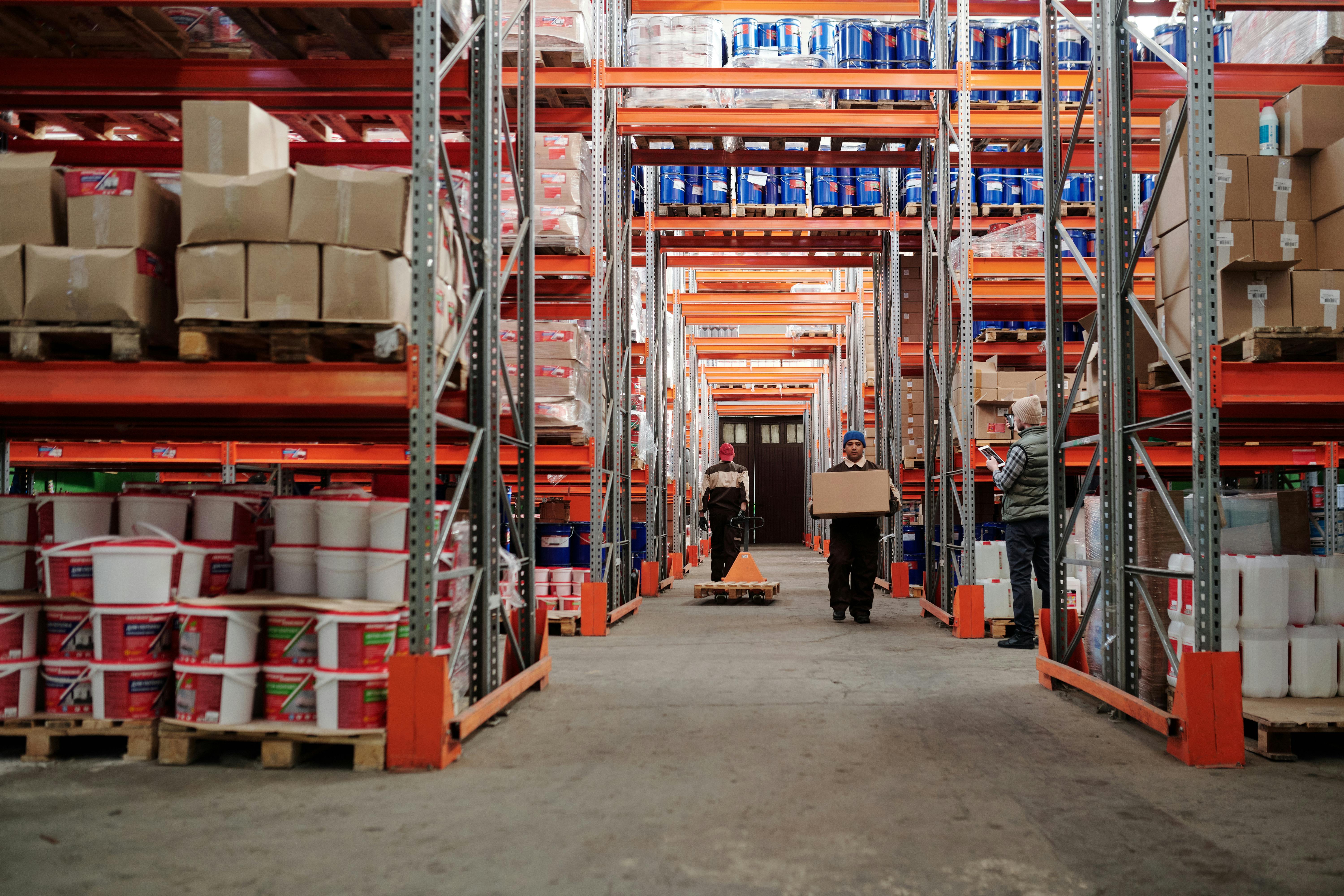
Supply chain visibility is your internal monitoring of operations.
- Where inventory sits
- Where an order is in production
- What conditions goods are traveling under
Transparency is what you do with that visibility. If the information stays internal, it has operational value but no relationship value. Transparency means showing key information to buyers, partners, and stakeholders who need it. You cannot have one without the other as visibility feeds into transparency.
- Real-time stock levels should come from your ERP.
- Generate estimated ship dates from your production schedules
- Feed order status from your warehouse management system into the buyer-facing portal.
The data already exists inside most manufacturing businesses. The gap is making it accessible to the buyer without requiring a phone call. Buyers who can check their order status call your sales team less often, and they churn at lower rates as well.
Despite how valuable this is, only about one in five companies currently operates a digital real-time supply chain. This means manufacturers who use a system of progress that can cleanly sync sales orders with production, outpace their competition.
Real-Time Data and Buyer Portals in Manufacturing

A practical way to have better transparency is to identify the three questions your buyers contact you to ask most. Surface the answers to those questions inside the portal first. Then expand data coverage over time from there as your systems allow.
Some ways you could do that is to find a platform that is operations first. Once data on specific objects (like purchase orders, sales orders, work orders), is clear and visible, you could look for configurations you could easily set up that give your buyers clarity. These functions could look like:
- Account-level personalization: each buyer can see their own order history, contract pricing, and reorder pattern.
- Document Access: Buyers can check order progress and track shipments all within their own portal.
- Reorder functionality: Buyers can easily reorder things and see what’s available
- Multi-user accounts: Different teams have access to information based on their role
The goal is to find ways to eliminate the most common reasons buyers have to contact you manually, then build outward from there.
Payment Innovation and Flexible Terms

B2B buyers have always had to work around rigid payment systems. Fixed net terms, paper invoices, and manual approval queues were standard. There was no better option, but that's changed.
Today's B2B buyers arrive with B2C expectations. They tap to pay for personal purchases, get financing embedded at checkout, and receive real-time payment confirmations. Those same buyers are now making purchasing decisions for your business. The payment experience you offer is part of how they evaluate you as a vendor.
What's Changed in B2B Payments
The shift is happening on two fronts at the same time. First, the payment methods themselves have expanded, replacing paper checks.
- ACH transfers
- virtual cards
- Digital payment platforms
The gap in efficiency is significant. Paper checks cost businesses an average of $3-$9 per transaction to mail, process, and take up to 30 days to clear. Digital payments process in one to two business days at a fraction of the cost.
Second, financing options are becoming more flexible in B2B. Buy Now, Pay Later (BNPL) which was once used by consumers, is now gaining traction in manufacturing. Companies use it to pay over time, manage cash flow when costs are high, and make large purchases without draining their cash. In an environment of rising tariffs and costs, that flexibility is a relief.
What This Means for Manufacturers
Spreading large orders across installments or giving buyers net terms at checkout reduces the friction standing between a buyer and a completed order.
The infrastructure to support this has matured. Businesses no longer deal with the back-and-forth that made flexible terms operationally painful to offer. When connected to your accounting system or ERP, payments flow directly into your AR module, invoices reconcile automatically, and your finance team isn't chasing remittance data.
The right place to start is identifying where payment friction is currently costing you deals. That means understanding what slows your top accounts down, confirming whether your platform supports net terms, ACH, and virtual cards natively, and verifying the integration path to your accounting system before rolling anything out. Flexible terms that create manual AR work downstream defeat the purpose.
The ERP as the source of truth

Ecommerce is not a separate channel from your manufacturing operations. It is a buyer-facing layer on top of them. That reframe matters because it determines where your data should live. Think of your ERP as the back of house in a restaurant, where buyers only see the menu and the plate, but everything they ordered was prepared, tracked, and costed behind the scenes.
Your ERP holds the information buyers need most: real-time inventory from your inventory management system, customer-specific pricing, order history, production lead times, credit limits, and AR status.
When that data does not flow into your ecommerce platform automatically, your team fills the gap manually and manual gaps mean pricing errors, oversold inventory, and delayed fulfillment.
The integration also works in the other direction. Orders placed online should flow back into your ERP immediately, triggering fulfillment, updating inventory, and posting to accounts receivable without anyone re-entering data. This is what makes ecommerce work for distribution operations, not just the storefront, but the full loop.
Three integration patterns are worth knowing. A native connector is the simplest path if your ecommerce platform has a pre-built integration with your ERP. Middleware, sometimes called iPaaS, sits between systems and maps data fields without custom development.
A custom API integration gives the most control but requires the most ongoing maintenance. For most mid-size manufacturers, a native connector or a well-configured middleware layer is the right starting point.
Preparing Your Manufacturing Business for B2B Ecommerce Trends

The manufacturers who move on ecommerce in 2026 are responding to where their buyers already are. AI personalization, self-service portals, mobile access, flexible payments, supply chain transparency connect to each other. A self-service portal is only valuable if it shows accurate inventory. Accurate inventory requires ERP integration.
AI recommendations only work on clean product data. Flexible payments create friction if they don't sync with your AR module. The infrastructure is the strategy.
The gap between manufacturers who have invested in digital commerce and those who haven't is widening. The good news is that the infrastructure to close it is more accessible than it has ever been.
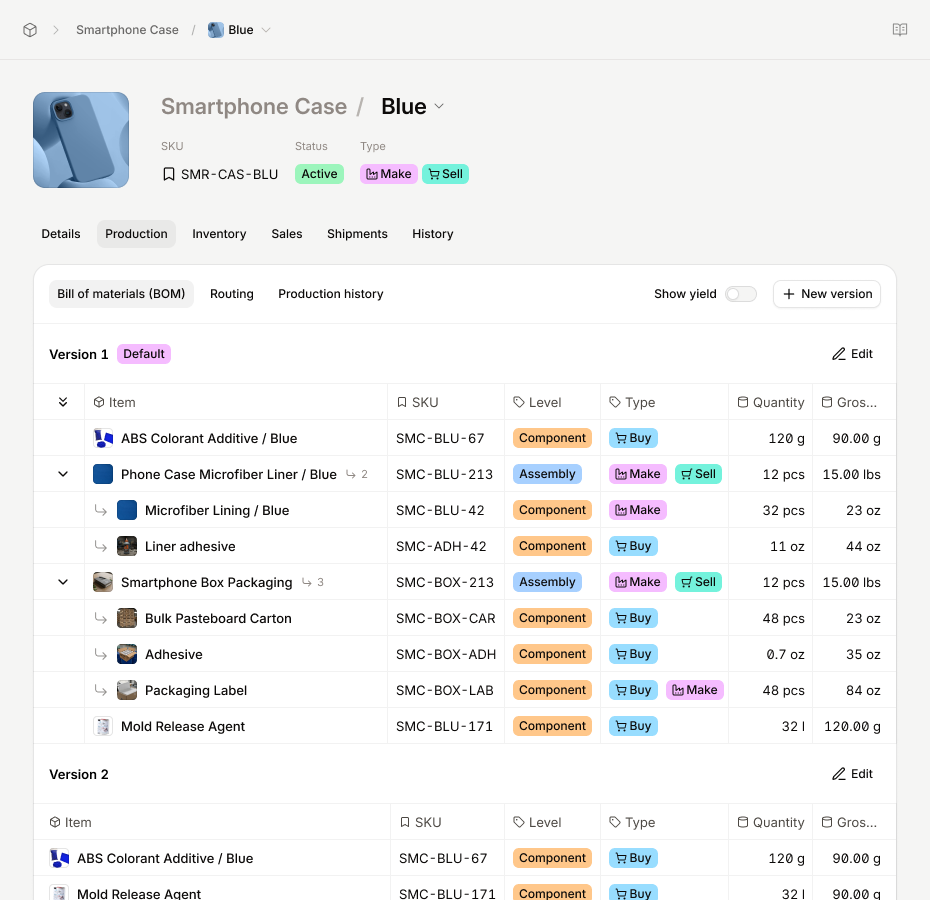
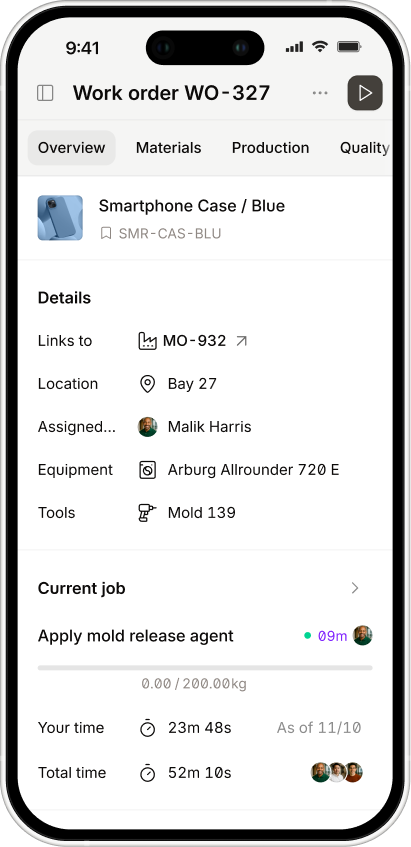
If you're a manufacturer or distributor ready to act, Digit is built for exactly this. It gives your team real-time visibility into inventory, production schedules, and order status, while giving your buyers a customer portal where they can check order progress, track shipments, and get real-time updates on their orders without needing to call anyone.
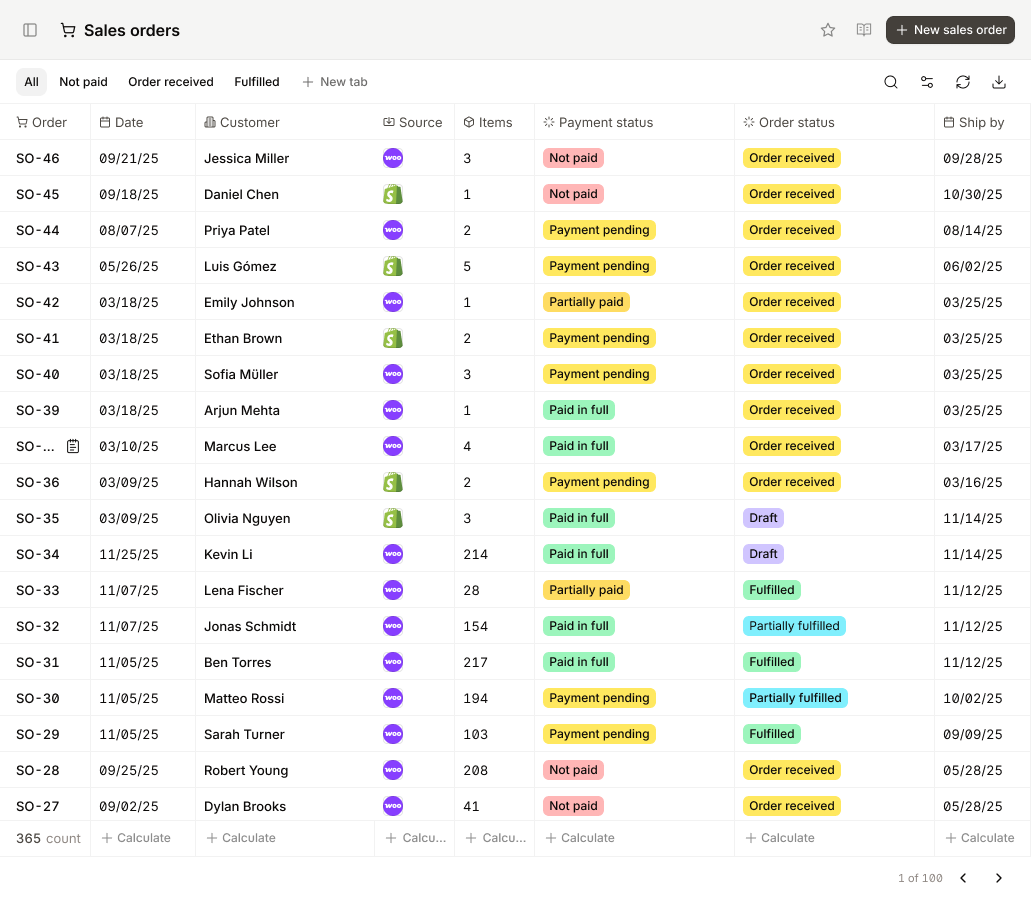
Orders from Shopify, Amazon, WooCommerce, and manual entry consolidate into one dashboard. And when an order ships, it syncs to QuickBooks automatically with no manual entry, no AR backlog.
If you're ready to connect your operations and give your buyers the digital experience they already expect, try Digit's free AI demo tool and see how it fits your business.




.jpg)