

Spreadsheets and legacy systems struggle to keep up with the demands of a complex manufacturing process. Process manufacturing software automates your production management.



















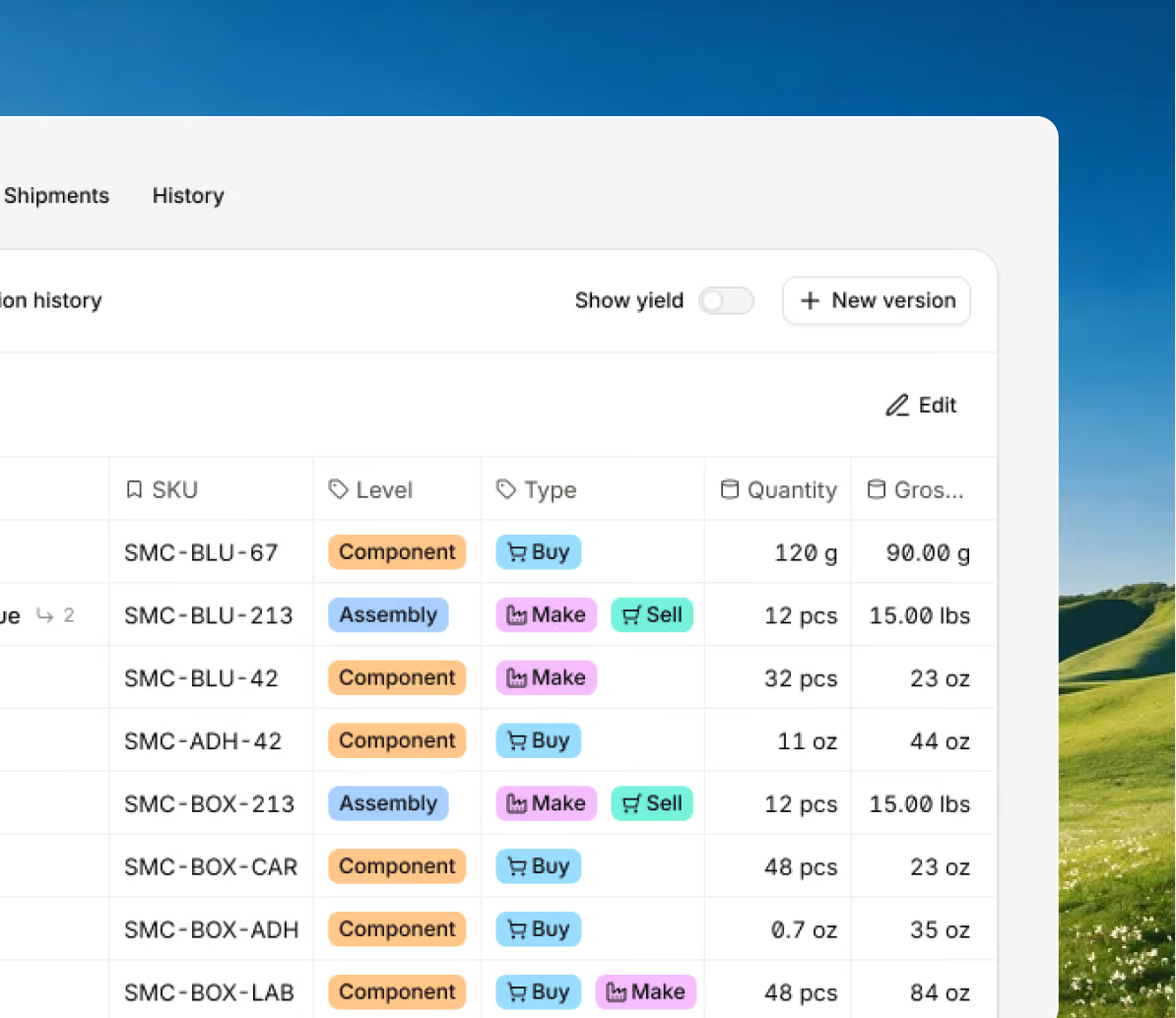
Ensure the same quality for every batch with version-controlled BOMs and a single source of truth for every formula, ingredient, and process step.

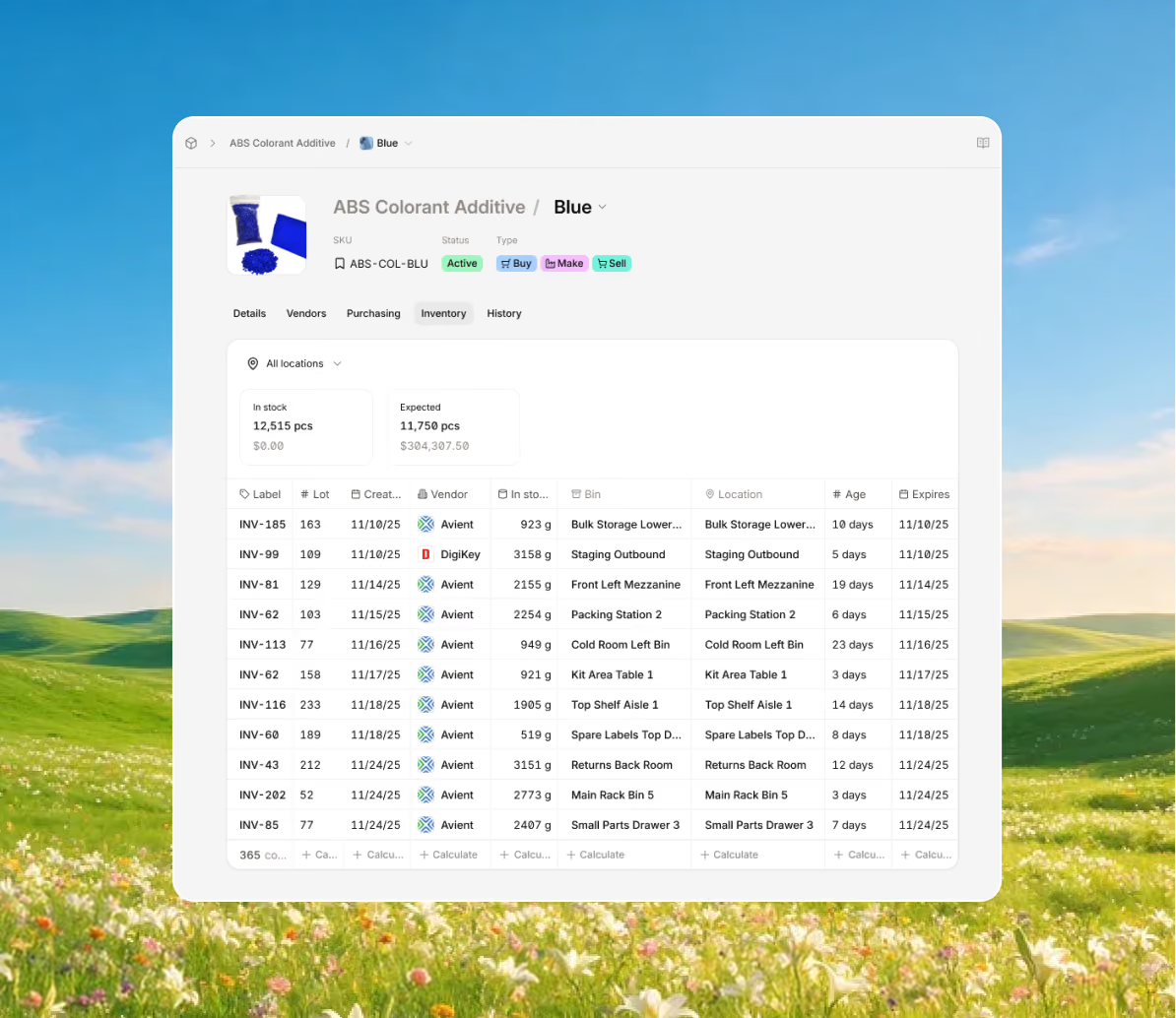
Track everything at the item level or in batches, while maintaining a real-time trail that enables fast and manageable audits and recalls.
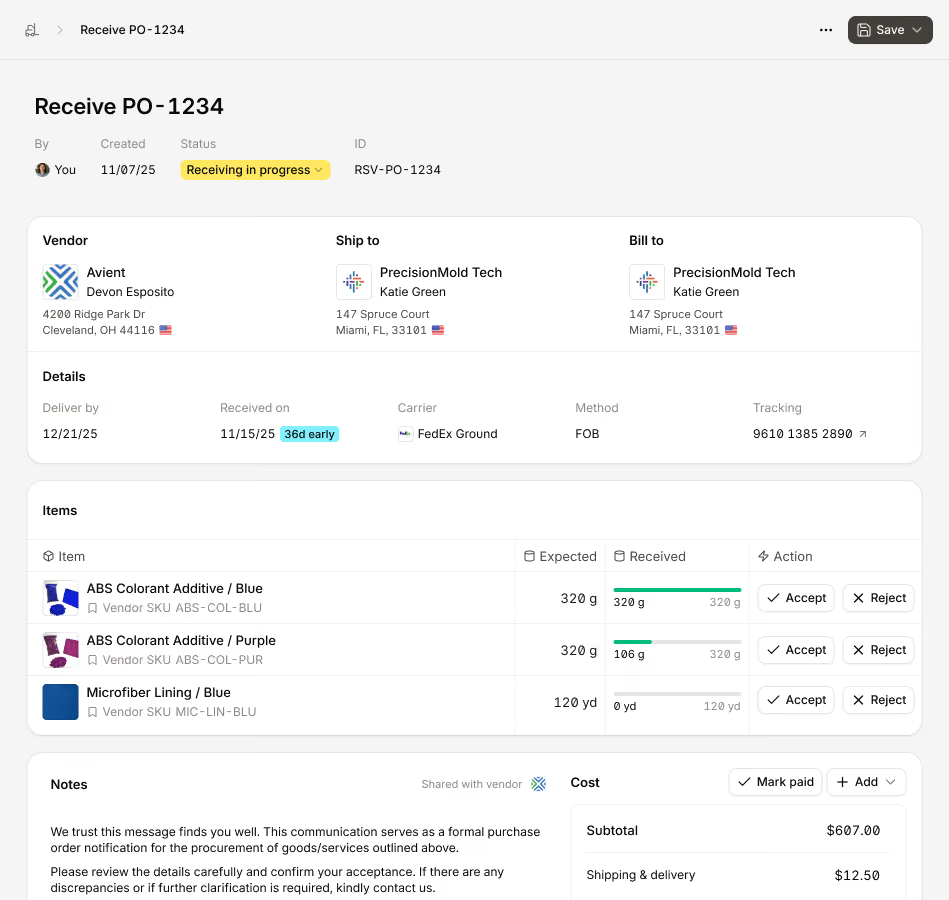
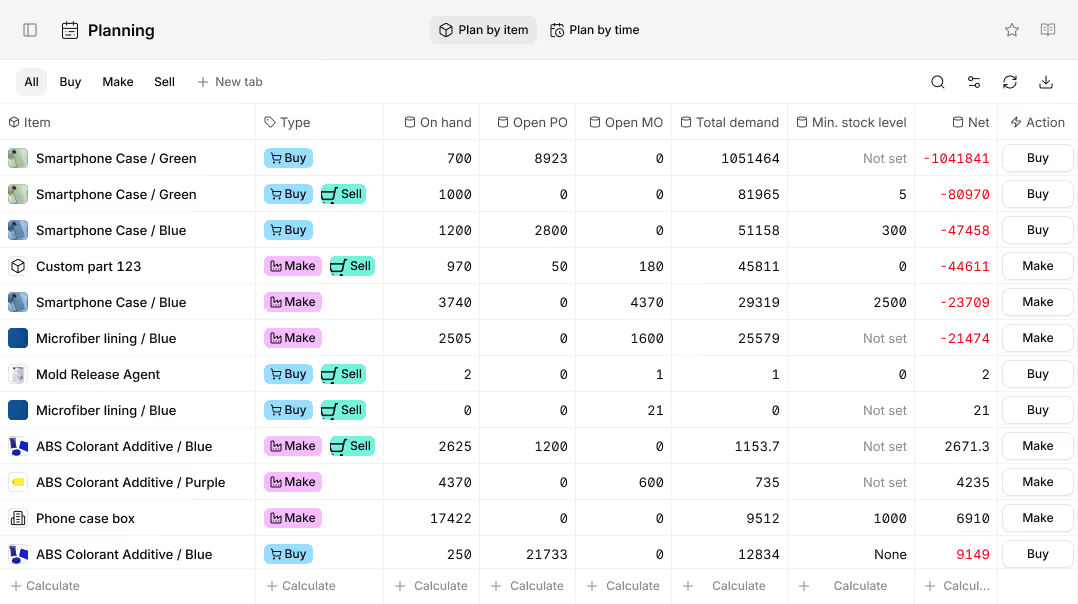
Get a live overview of all your inventory levels, whether they're in the warehouse, on the shop floor, in shipping, or at another location entirely.
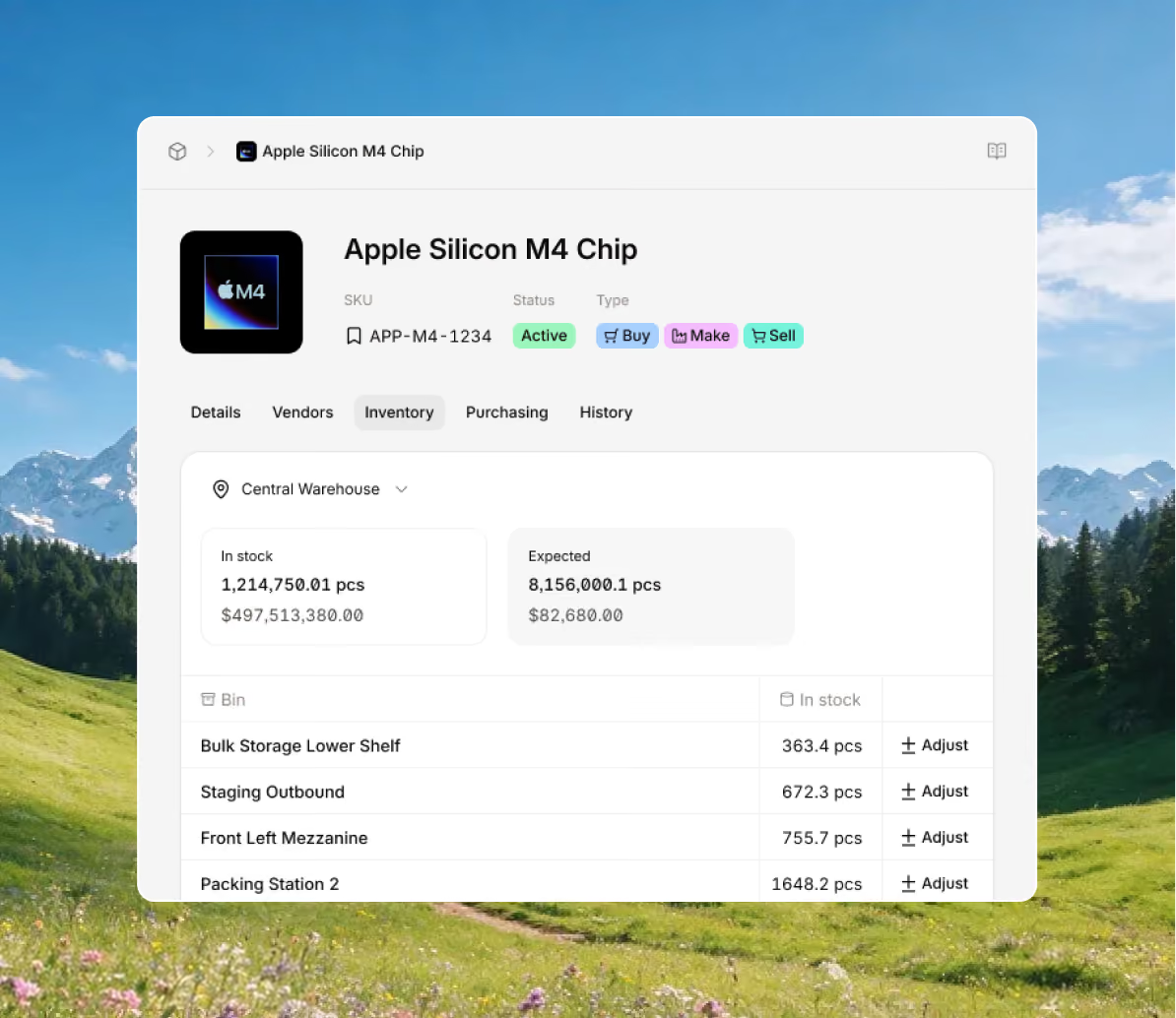
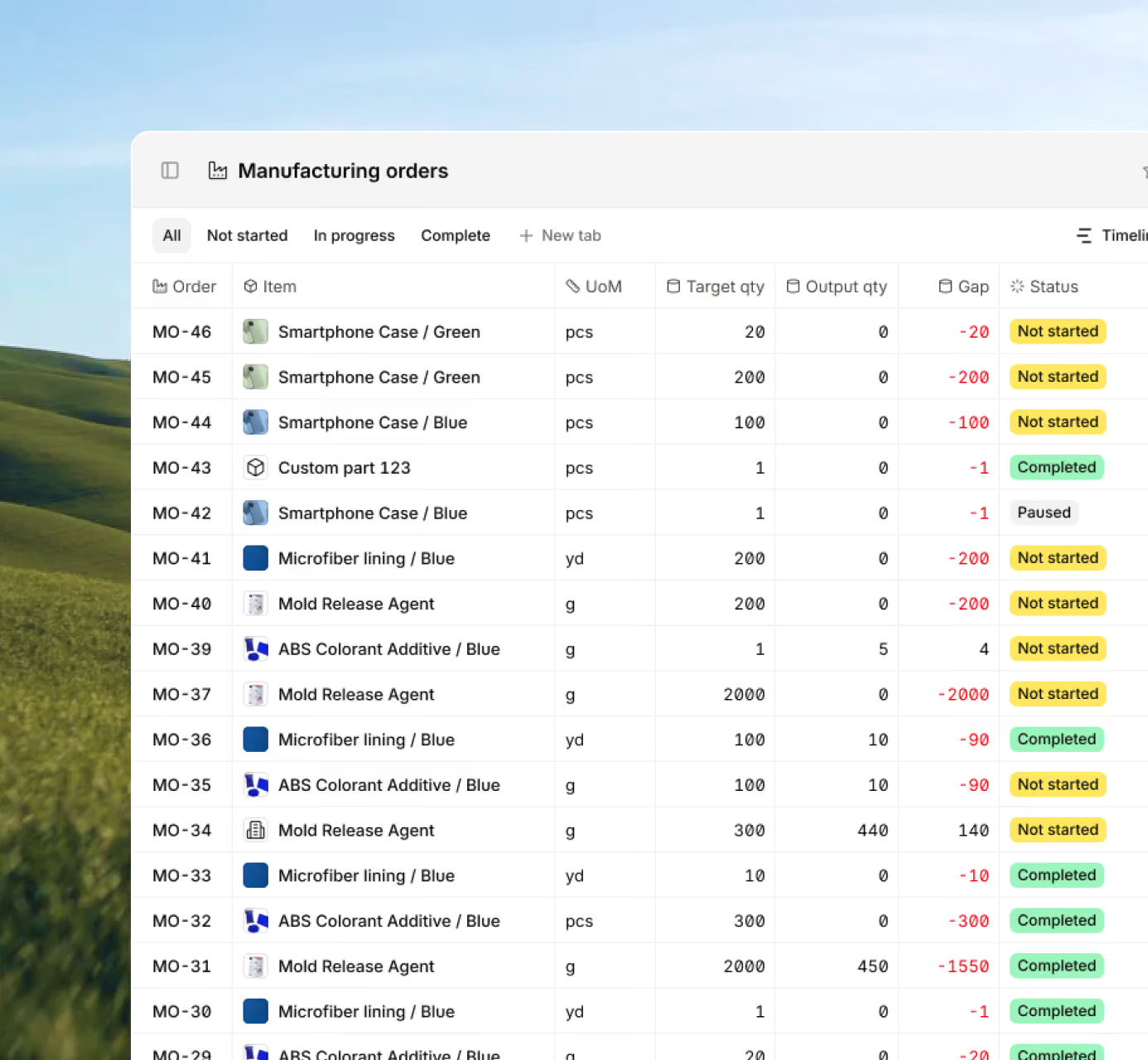
Sync your production schedule so manufacturing orders get worked on based on ingredient availability, supplier lead times, and actual customer demand.
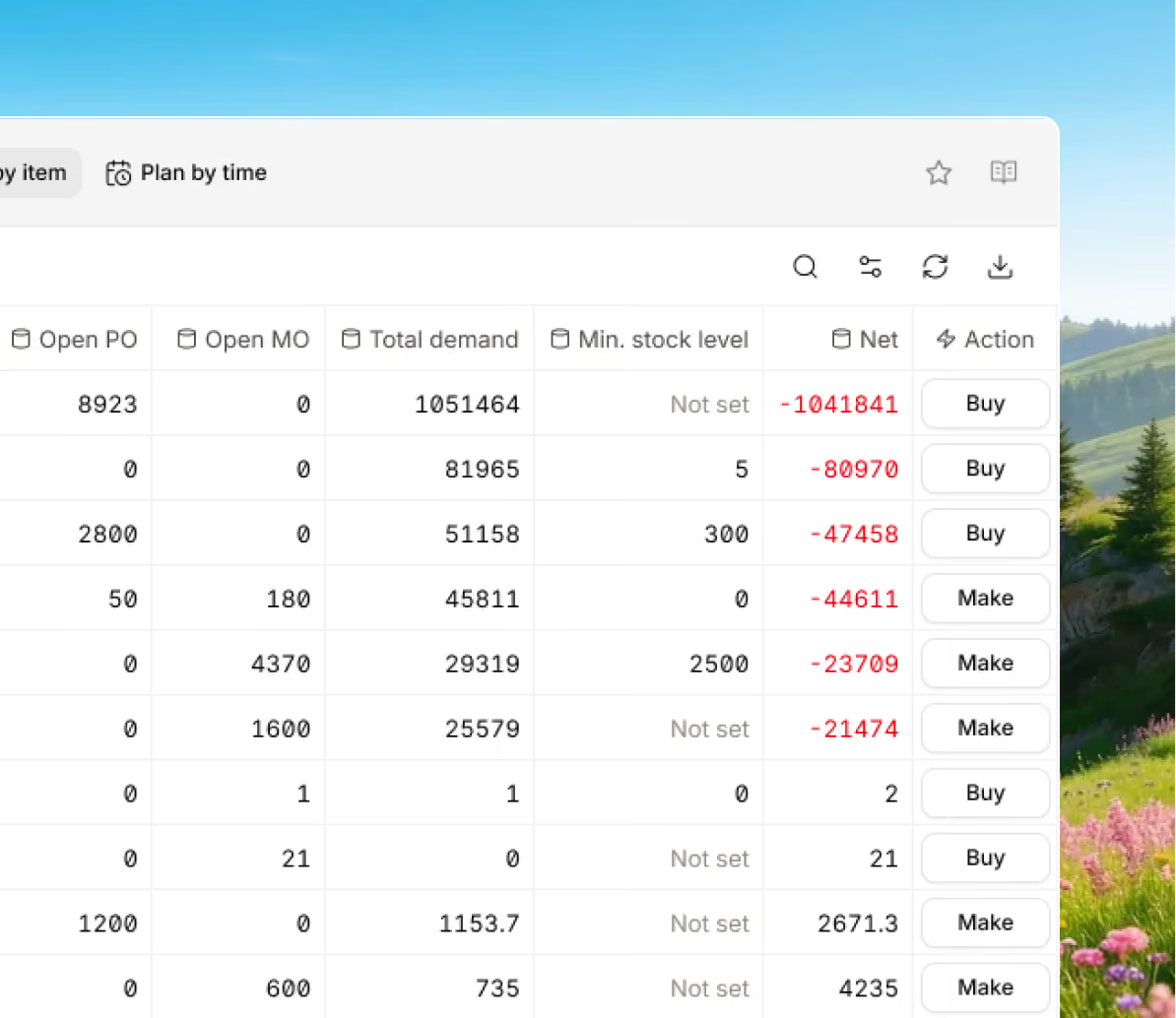
Manage raw materials, BOMs, and production runs across multiple facilities without losing visibility or control. Digit keeps everything in sync, wherever your operations run.
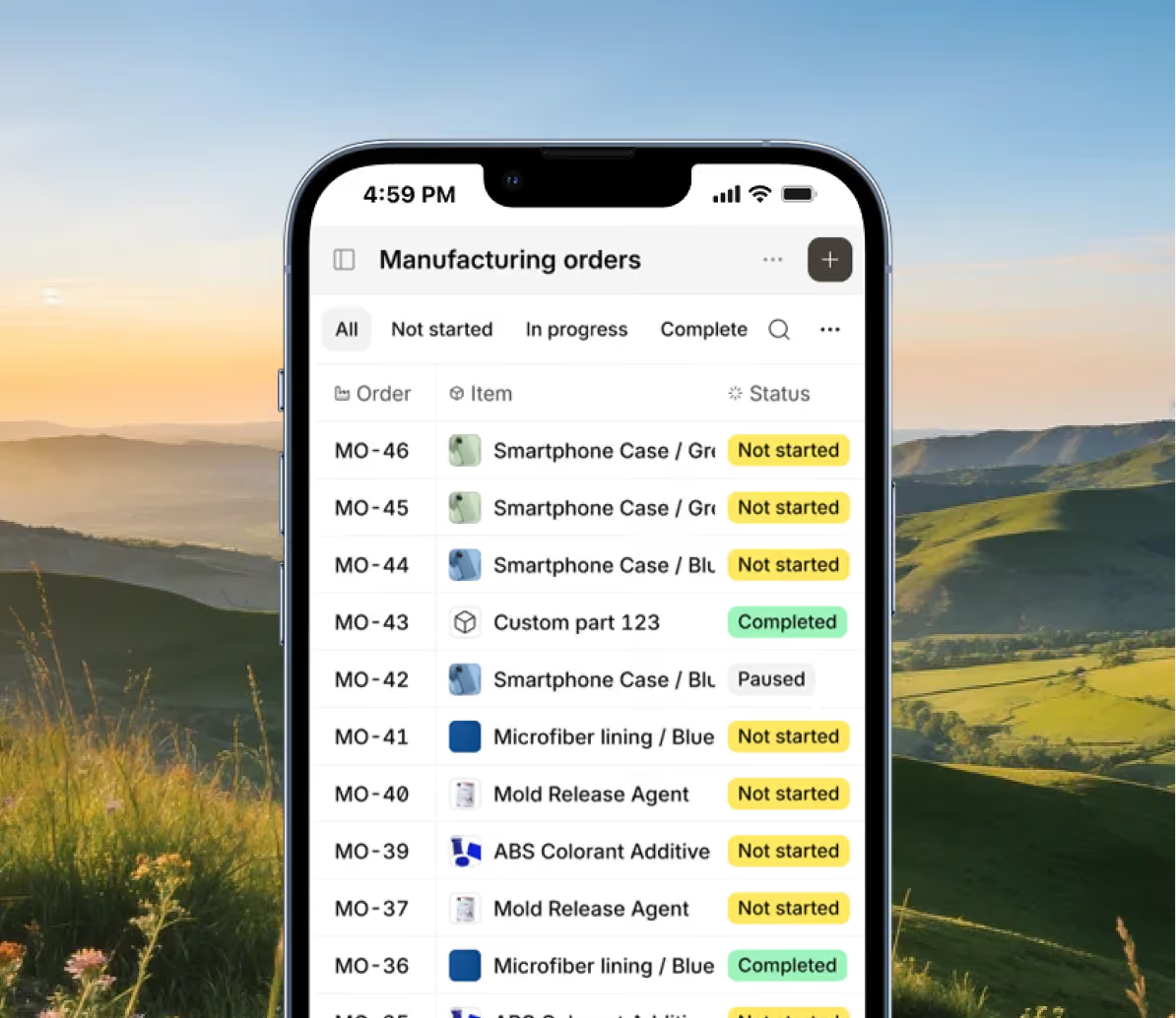
Bring every sales channel and accounting tool together in one system with seamless syncing and flexible API access.





Bring your inventory, accounting, and production together in stock management software built for manufacturers. Keep every part of your business connected, accurate, and easy to track.


100+ manufacturers and distributors have replaced spreadsheets and legacy ERPs with Digit.

"If I can capture two seconds across 19 machines across a 24-hour span, I'll save the customer thousands of dollars."
Chris Johnson


“The impact Digit has had has been enormous, saving a lot of time, capturing a lot of data, streamlining a lot of processes, with a system that everyone loves to use.”
Tanner Thomas

“Digit has given us the insight into current and upcoming stock on our ingredients and raw materials needed for production. This allows us to procure more before we stock out and to be confident that we have enough to finish any upcoming production run.”
Adam Davis
"Digit is the most adaptable, user-friendly software we have ever used."
Joe Watkins
%2520(1).webp)
"With Digit, everything from our inventory to our production data is the word of truth. I can trust it. I can rely on it."
Joshua Burris


Your most frequently asked questions, all in one place. If you don’t see what you need, reach out to us.
Discrete manufacturing refers to a production line that can be torn down and reassembled to change the manufacturing route to create a different version of a similar product. These products can be disassembled back into their original components, like:
Process manufacturing refers to the production technique of transforming raw materials into a product or finished good that cannot be reverted to its original state via manipulating it with chemical, physical, or biological reactions, including processes like:
Rather than the output being an individual unit of something, it is usually measured by weight, volume, or length.
While discrete manufacturers and process manufacturers both use bills of materials, businesses that use process manufacturing tend to refer to BOMs as recipes and formulas, using them to track ingredient ratios, processing conditions such as temperature and pressure, and batch quantities.
Process manufacturing ERP software is built around formula management, batch and lot traceability, compliance documentation, and variables such as yield and waste, which don't exist in generic assembly-based production tools that discrete manufacturers tend to use.
Choosing the best process manufacturing ERP really depends on your particular business, and factors that will dictate the best for you will be things like:
But, regardless of these three factors, you should always be on the lookout for a solution that can help you with recipe and formula management, so every batch produced follows the approved and up-to-date BOM specifications.
Lot and batch traceability is non-negotiable for heavily regulated industries, which tend to be the case for process manufacturers. For them, recalls and audits are a constant operational risk. Find a tool that can easily stay compliant with:
Yes! At least in the case of Digit, anyway.
Every material movement is recorded automatically, so you can see exactly where an ingredient came from, how it was used in production, and where the finished goods were shipped. Each lot or serial number stays tied to its source, quantity, and use throughout the entire lifecycle.
Within Digit, you can attach certificates of analysis, SDSs, and supplier documents directly to each batch, record in-process and final QC checks, and monitor lot expiration dates and shelf life, creating a fully searchable, auditable trail that supports:
In a worst-case scenario, if something goes wrong, you can pinpoint the affected batches immediately rather than pulling entire product lines.
Yes.
Digit integrates natively with both QuickBooks Online and QuickBooks Desktop, with two-way data sync between your operations and accounting.
When a sales order or purchase order is created in Digit, a corresponding invoice or bill is automatically generated in QuickBooks. Inventory values, cost of goods sold, and income accounts all update to reflect real production activity, so your financial reports stay accurate without manual data entry between systems.
In QuickBooks Online, the sync runs automatically in the background every few minutes via the QuickBooks Web Connector, keeping operations and accounting continuously aligned. For QuickBooks Desktop, data flows through manual or scheduled syncs via the same Web Connector.
Both integrations also handle partial shipments and receipts, creating matching invoices or bills in QuickBooks so your accounting reflects actual production output rather than assumed full-order completions.
Beyond syncing orders and costs, Digit handles the manufacturing side that QuickBooks alone cannot, with COGS syncing to QuickBooks automatically as jobs are completed.
Customers and vendors can also be imported from QuickBooks during setup, reducing the time required to get the integration up and running.
Yes.
In Digit, formula and recipe management work through its BOM system, which is built to handle the complexity of process manufacturing production.
You can create single-level or multi-level recipes up to 10 levels deep, defining each ingredient's unit of measure, quantity, and cost. Parent-child relationships support subassemblies and intermediate products, and weight and cost totals roll up automatically across every component, so you always know what a finished batch costs to produce.
Version control is built in. When a formula changes, Digit retains the full history so you can revert if needed, set a default primary recipe for production, and maintain historical versions for compliance and audits. You can also create alternative recipes for regional variations or ingredient substitutions without losing the original.
Routing is connected directly to the recipe. Each step in the production process is tied to the formula your team is working from, so you and your operators can easily see:
After each run, Digit lets you compare actual material usage against planned quantities and monitor yield and variance per manufacturing order, giving you the visibility to tighten up formulas, reduce waste, and improve consistency over time.
