

What Is Shelf Life Management?

shelf life management is the process of monitoring and managing perishable inventory that needs to be used or sold within a certain time period.
This is extremely important in the food and beverage industry, but not limited to those types of businesses. Shelf life management is also an essential inventory practice for managing products such as:
- Dairy
- Cosmetics
- Pharmaceuticals
- Electronics
If a manufacturer carefully manages their perishable goods, it will not only help raise safety standards across the entire supply chain, but also:
- Help reduce waste
- Protect profit margins
- Ensure products are of the highest quality
What Factors Affect Shelf Life of a Product?
Shelf life management isn’t just about making sure that everything is used or sold before an expiration date, as that is just a single part of the process.
Proper shelf life management takes into consideration all the different variables that interact with a product as it moves from supplier, to production and to the customer. Biological, chemical, environmental, and mechanical interference has the potential to shorten or lengthen the expiration date, and these factors fall into one of three categories:
- Intrinsic properties built into the product itself
- Extrinsic conditions imposed by the environment
- The packaging and processing decisions manufacturers make to manage both
Intrinsic Factors: Internal Composition
Intrinsic factors are baked into the product itself. You can't change them after formulation without fundamentally changing what the product is.
- Water activity (a_w) — measures how much unbound water is actually available to support microbial growth and chemical reactions. Here's the key distinction: it's not about how much water a product contains, it's about how available that water is. A cracker and a fresh piece of meat can both contain water, but the cracker's low water activity makes it far more resistant to bacterial growth. Jam works the same way. It's high in moisture, but sugar binds tightly to water molecules, making them unavailable to microorganisms. Salt does the same job. Reduce either in a reformulation, and you're directly cutting into shelf life.
- Acidity (pH) — the most harmful bacteria thrive in neutral pH environments, roughly 6.5–7.0. Lowering the pH through acidification (citric acid, lactic acid, or vinegar) makes conditions hostile for pathogens and significantly extends storage life. Many manufacturers combine low water activity with low pH to create what's called a dual barrier, making it that much harder for spoilage to take hold.
- Nutrient composition — determines how welcoming an environment a food creates for bacterial growth. Products rich in protein and moisture (cooked meats, dairy, seafood) provide ideal conditions for bacteria and typically require refrigeration. Dry staples like flour, sugar, and dried pasta offer far less hospitable environments and remain stable at room temperature for extended periods.
- Natural and added preservatives — slow spoilage by further restricting the conditions microorganisms need to survive. Salts, sugars, and compounds like sulfites have long served this role. The challenge now is that growing consumer demand for clean-label products is pushing manufacturers to reduce or remove these additives, which means finding alternative preservation strategies to compensate for what's being taken out.
Extrinsic Factors: External Environment
Extrinsic factors are the things outside of your products that affect how quickly an item can deteriorate:
- Temperature — microbial growth accelerates in higher temperatures, as does enzymatic activity, and chemical reactions. What this means for manufacturers storing food and beverage products is that a higher temperature means something spoils more quickly. For example, for every 10°C a warehouse rises, the rate at which a product's quality drops is roughly double. Even products that are designed to withstand harsh temperatures, such as MREs, have been recorded to spoil within one month if stored at 49°C
- Relative humidity — mold and bacteria in dry foods thrive in high humidity, while low humidity causes moisture loss and quality degradation in fresh produce and similar products
- Oxygen exposure — we are not so different from bacteria, as aerobic bacterial growth is fueled by oxygen. Oxygen itself can also ruin the quality of certain products, as oxygen drives oxidative rancidity in fats and can lead to color degradation in meats.
- Light exposure — Sometimes you pass by an old store that has been in operation since time began, and you notice that the items in the window display look like they have been washed out. This happens because of ultraviolet light, and the same happens to food and drinks, as that light triggers photo-oxidation that breaks down fats, vitamins, and pigments (not only changing color and flavors, but reducing nutritional values as well).
Packaging and Processing
If the extrinsic factors have told you anything, it's that your food products are only good if kept out of heat, water, oxygen, and light exposure — so it likely goes without saying that packaging and how you make the final product also plays a part in how quickly something degrades:
- Packaging integrity — to keep all those pesky elements from ruining your product faster than saying the wrong name on a first date will be determined by how well the packaging can shield your product from oxygen, moisture, light, and physical contamination. Vacuum packaging removes air entirely, Modified Atmosphere Packaging (MAP) replaces air with a gas mixture (typically nitrogen and carbon dioxide), and the material itself (multi-layer films and aluminium foils) provide high barriers against moisture and oxygen.
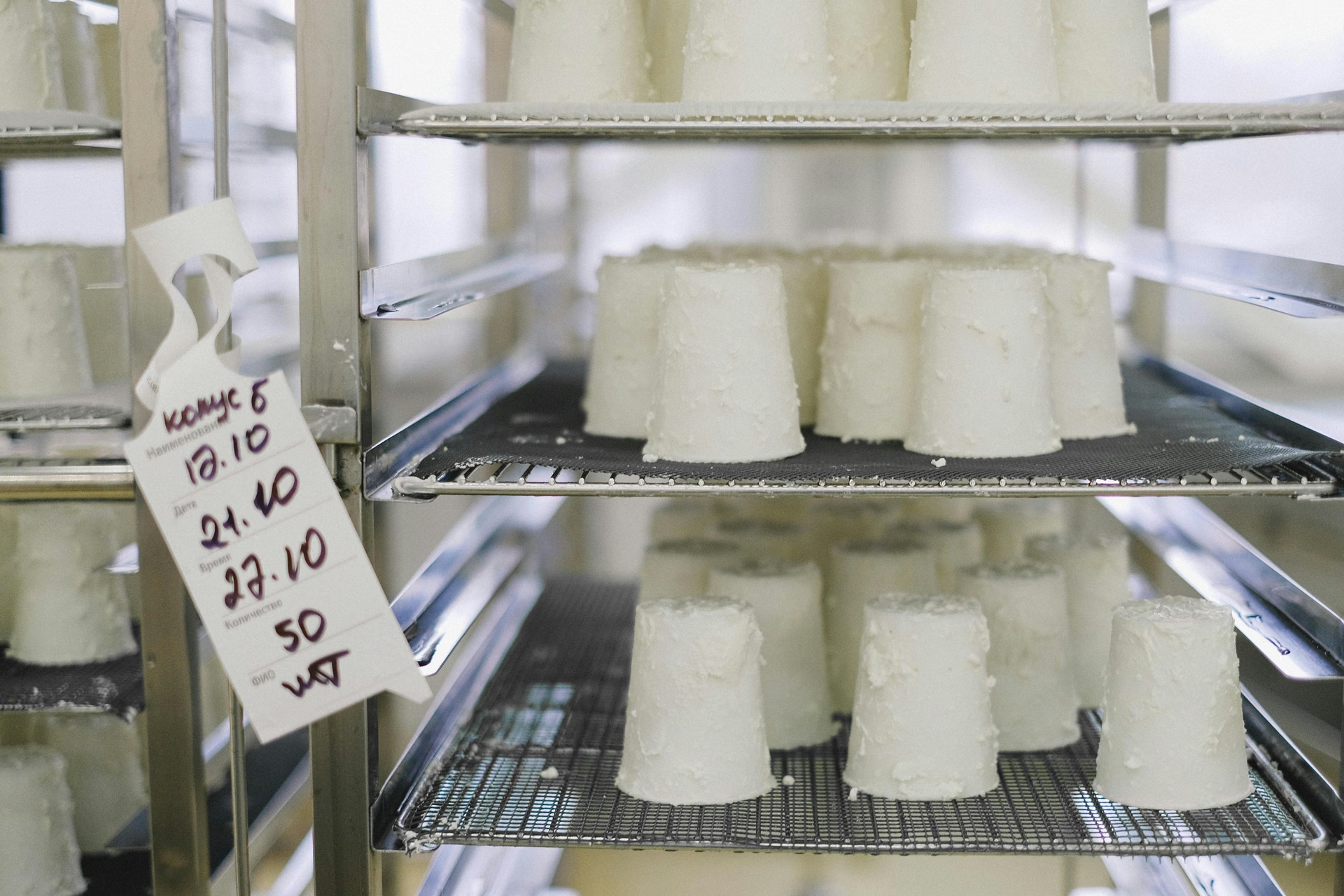
- Processing methods — thermal pasteurisation eliminates pathogens while preserving flavour and nutritional value. Sterilisation and canning use higher temperatures in sealed containers to achieve commercial sterility. Freezing halts microbial activity and enzymatic reactions almost entirely, though it makes pathogens dormant rather than destroying them. Fermentation uses beneficial bacteria and yeasts to produce acids and other compounds that naturally inhibit spoilage, lending products like yoghurt, kimchi, and cheese their stability.
It’s honestly scary stuff when you think how many things can affect your food — it probably makes you want to sprint to your fridge and start making sure that the conditions are perfect, otherwise risk the calories from your takeaway leftovers and the millions of cultures thriving in your poorly maintained ice box.
But, back to manufacturing, shelf life management relies on all these different preservation tactics, all referred to as hurdle technology by food scientists. And once you realize this and you've created the perfect environment for your products, the next step is to figure out the best inventory rotation technique for managing it.
FIFO vs. FEFO: Choosing the Right Inventory Rotation Method
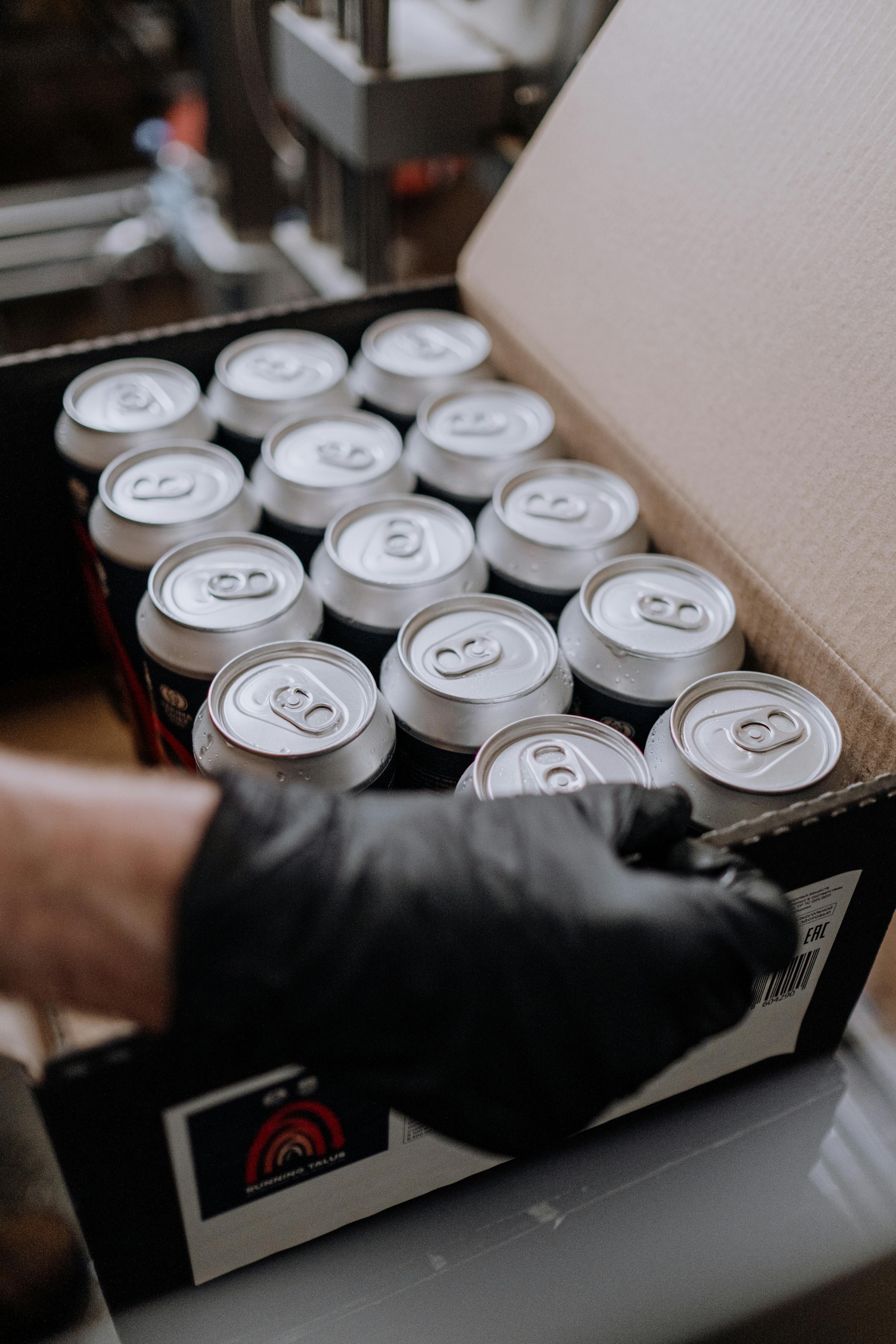
Once you have created the perfect environment for your inventory, the next step is to figure out the best way to rotate that inventory, and with food there are two main methods that most manufacturers follow, and these are:
- FIFO (First In, First Out)
- FEFO (First Expired, First Out)
The purpose of both of these methods is to ensure that your inventory doesn’t stay in your food distribution warehouse indefinitely, but the biggest difference between the two is their logic in how inventory moves, and each is better suited for different types of products.
FIFO
FIFO is a nice and simple product shelf life management technique to handle products in general:
The first item that is stocked will be the first to leave.
What the FIFO inventory method does for business is make sure that the oldest inventory is always sitting at the front of the shelf or comes first on the pick-list, while any products that entered inventory after that go behind that older product.
FIFO is easy to implement and understand, and works well for products where the arrival date is a good indicator of when a product will expire or if the expiration of that product is slow and gradual (like electronics, hardware, and building materials).
FEFO
FEFO takes a somewhat similar approach, but instead of organizing inventory based on arrival date, you stock your shelf to use and sell products that have short expiration dates.
Let’s imagine you receive a shipment on Monday and a shipment on Tuesday for cocoa powder. Monday’s batch expires on Friday and Tuesday's batch on Thursday. Using FEFO, you would commit the batch that was delivered on Tuesday to production, and Monday’s batch would enter production later.
As you're already guessing, if you’re handling any product with an expiration date, then FEFO allows you to use and sell the inventory that is going to expire sooner, and hold on to the fresher items that can survive for longer in storage. This tactic also helps safeguard you for:
- Regulatory compliance
- Consumer safety
- Avoiding the direct financial losses that come with spoiled or expired inventory
3 Ways Manufacturing Software Automates Shelf Life Management
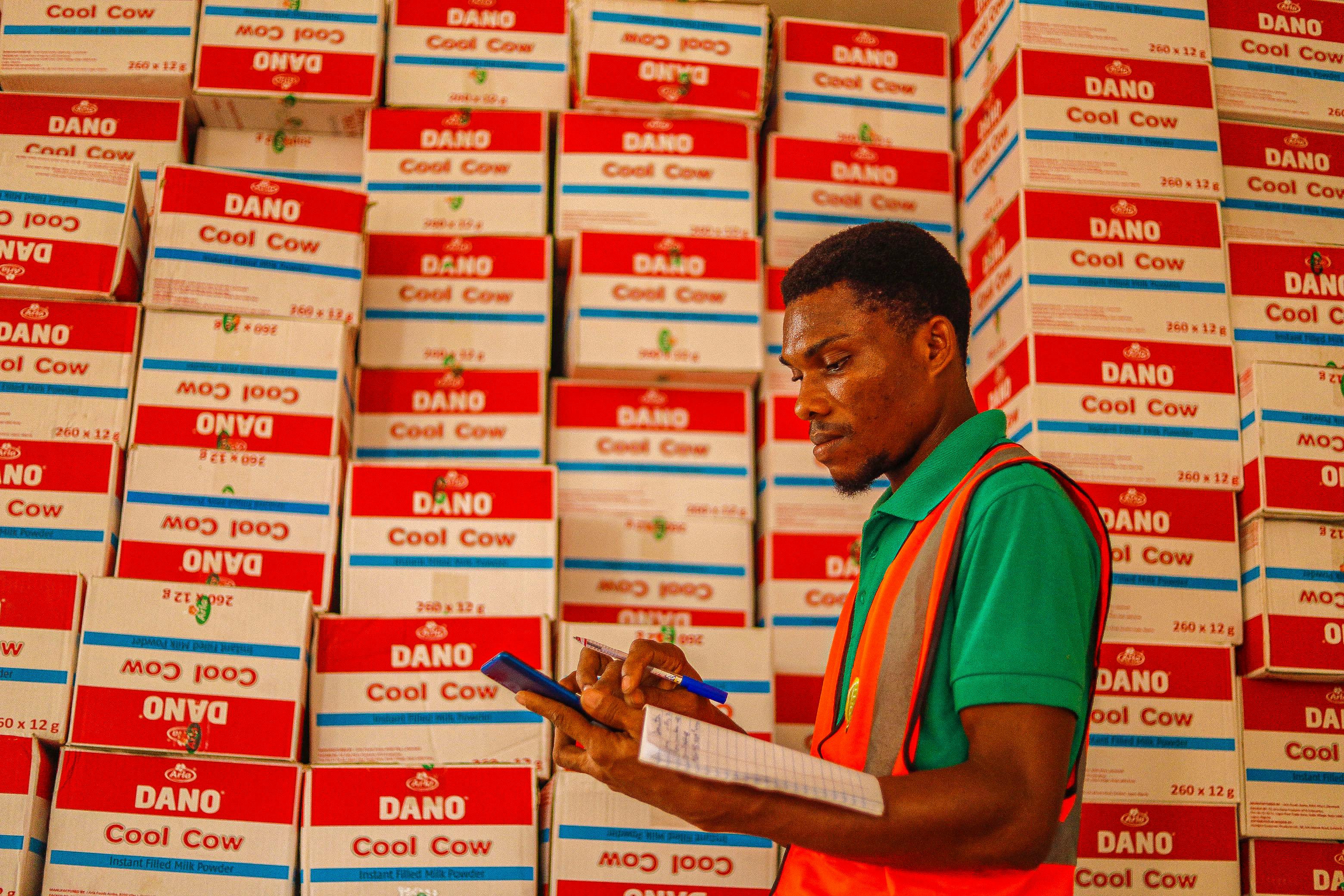
Shelf life management is important, and even though it might be cheaper and easier to use spreadsheets, physical checks, and paper logs for managing inventory, eventually (as order volumes and SKU counts grow) it becomes unreliable to use these disconnected solutions.
That’s why many manufacturers turn to manufacturing ERP software or food traceability software to help automate tasks such as:
- Tracking
- Rotation
- Alerting
- Reporting
Inventory Rotation and Expiry Tracking
When you mark a purchase order as received or a manufacturing order as complete, manufacturing software lets you log the expiration dates and when those inventory items are moved around, that date is always available.
What this means for you and your work is that when a sales or manufacturing order is created, the software will automatically commit the inventory to that order, based on the expiration dates, so the item that is allocated is the closest to expiring. This tracking and automatic allocation is available across all your locations, so regardless of where your products are made or your items are stored, the software will always prioritise the soonest-to-expire stock to orders.
Lot and Batch Traceability
Lot and batch traceability is extremely important for industries that are highly regulated, and some manufacturing software comes with this functionality.
By implementing manufacturing software, you’ll be able to get end-to-end traceability into your items as they move through the supply chain. And, in a worst case scenario, if a supplier issues a contamination warning for raw materials that you purchased and used, you will be able to use the software to easily identify all the affected products and where they were distributed.
Compliance and Quality Reporting
Continuing from the importance of using software in a regulated industry, there’s also the need to maintain and keep a paper trail detailing processes and certificates ready in case of an audit.
Some tools allow you to log storage conditions such as temperature and humidity alongside testing results and batch histories. Having this information saved and easily accessible with manufacturing software also gives you data that you can use for root-cause analysis for when problems occur, giving you a way to figure out and update your standard operating procedures to avoid this from occurring again.
And there you have it, everything you need to know about what goes into improving your shelf life management and how to get the most out of your items that have an expiration date.
But, if you want to go a step further and overhaul your shelf management with automation, then we recommend checking out the following.
Managing Shelf Life End-to-End with Digit
If you want to take the theory you’ve learned from this article and apply it with your food and beverage production lines, then we recommend checking out Digit.
Digit is manufacturing software that centralizes all your procurement, inventory, and manufacturing into one easily accessible place. Every item that moves through your business, or every finished product you produce, Digit helps you record and maintain every process that it passes through in real time, giving you and your team visibility over your entire inventory at multiple locations, without having to rely on spreadsheets or other disconnected inventory management systems.
You can use Digit for lot and batch tracking, allowing you to link raw materials to production runs and finished goods, helping you locate any item if a quality issue emerges at any point.
By implementing Digit, you can establish best practices for shelf life inventory management while freeing up resources from manual updates to focus on delivering the best quality products, with compliance, traceability, and waste reduction sorted in the background. Want to see for yourself? Head over to Digit to watch a demo or book a call and see exactly how it can help you optimize your perishable inventory management.