%201.svg)


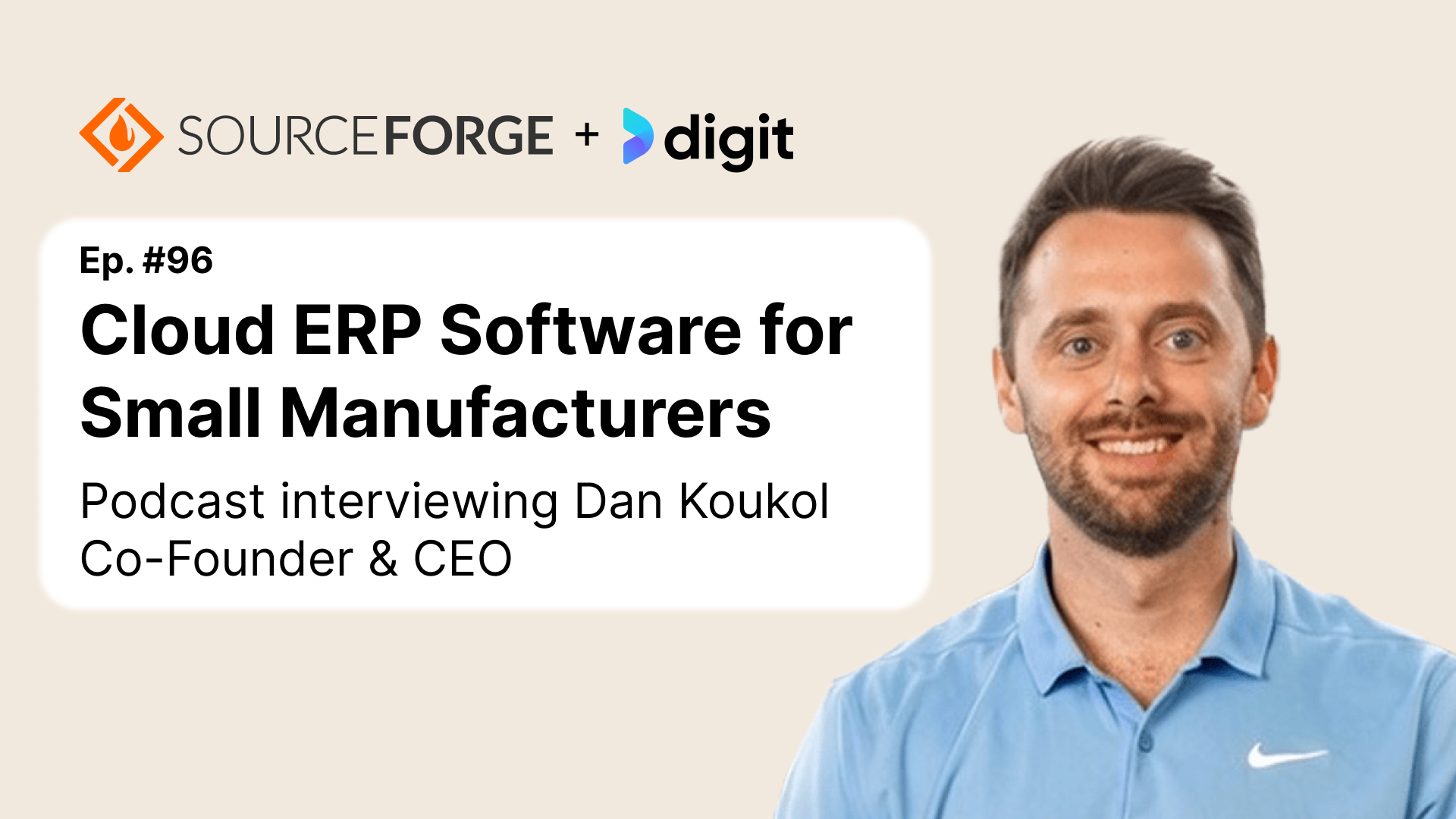


We’re excited to announce that our Co-Founder and CEO, Dan Koukol, was featured on the SourceForge podcast. In this episode, he talks about different challenges of operating in the physical economy.
Dan shares why operators turn to Excel spreadsheets when legacy ERP systems fail them. Excel offers the most flexible object model that operators have. Dan explains how Digit builds on that flexibility, without the fragility of spreadsheets, to help manufacturers move toward a true system of progress.
Why choose cloud software over spreadsheets
SourceForge brings together builders and buyers through practical conversations with the leaders who run the systems businesses rely on.
In episode #96, Dan Koukol, Co-Founder and CEO of Digit, discusses how manufacturers assess and adopt ERP systems in high-pressure environments.
Dan shares practical lessons from working with lean teams, tight margins, and fast-growing operations.
As manufacturers face hybrid work models, rising costs, and pressure to modernize, critical questions arise:
Why does ERP so often fail to deliver promised results? And when do spreadsheets stop being enough to track inventory, production, and orders in real time?
Throughout the episode, Dan highlights a reality many manufacturing, distribution, and fulfillment leaders know well: capable teams get stuck in the day-to-day whirlwind of operations.
He explains that operators often know what needs to improve but lack the time, visibility, or structure to act. In many cases, leaders don’t even realize which problems are being missed because data is fragmented or inaccessible.
This episode shows how manufacturers can move beyond firefighting toward sustained operational progress by combining unified data, clear metrics, and AI-driven guidance.
SourceForge episode highlights
After trying many tools, and none solving the problem, Dan concluded that customizations in legacy ERP limit the product. Teams lose the ability to upgrade and improve it. Each customization locks them into a different setup, making progress harder.
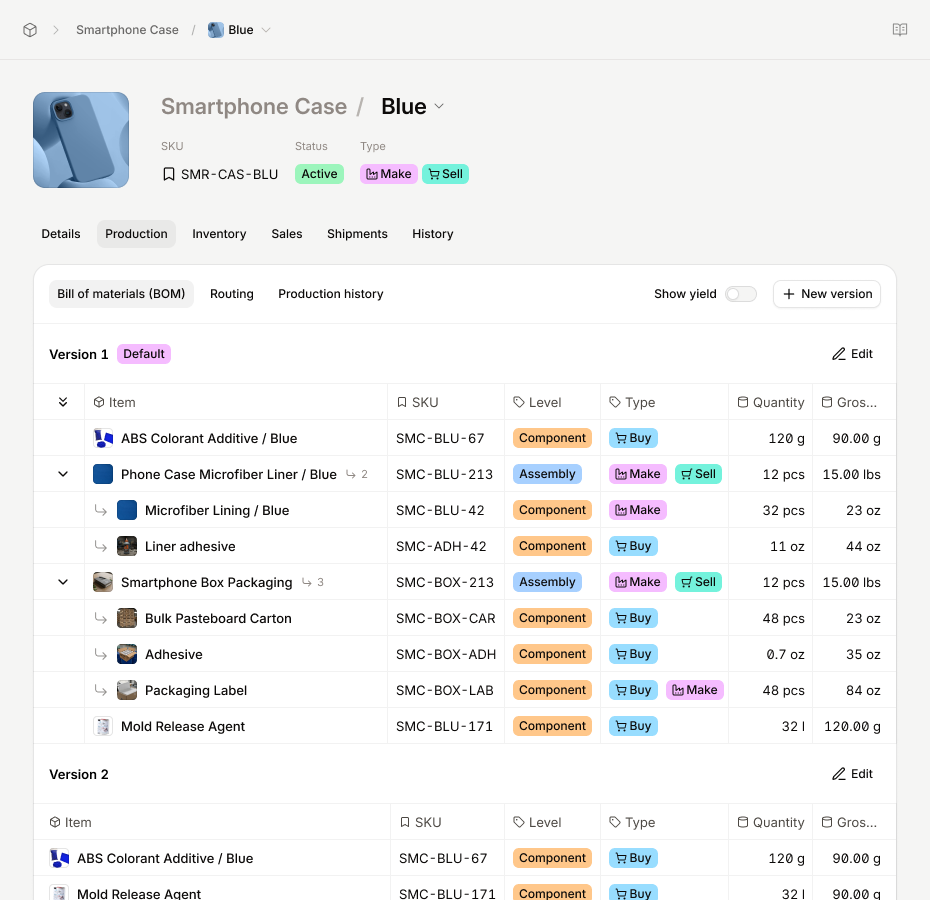
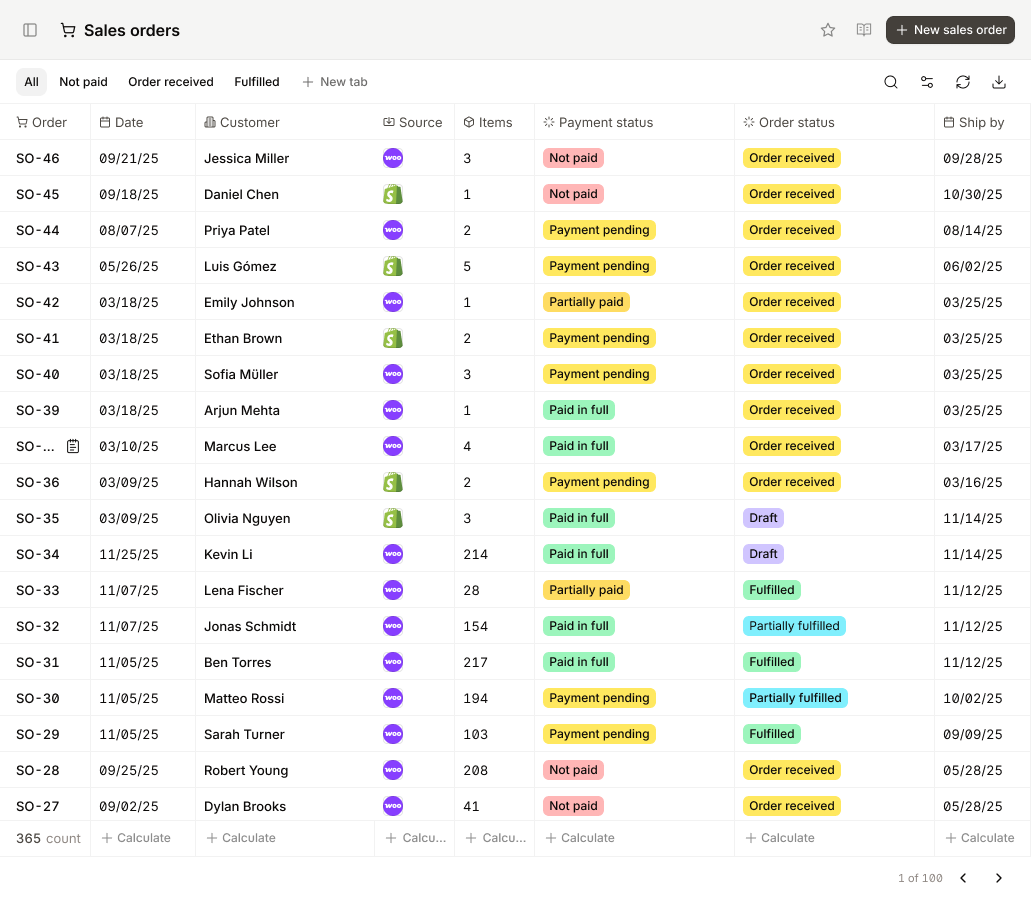
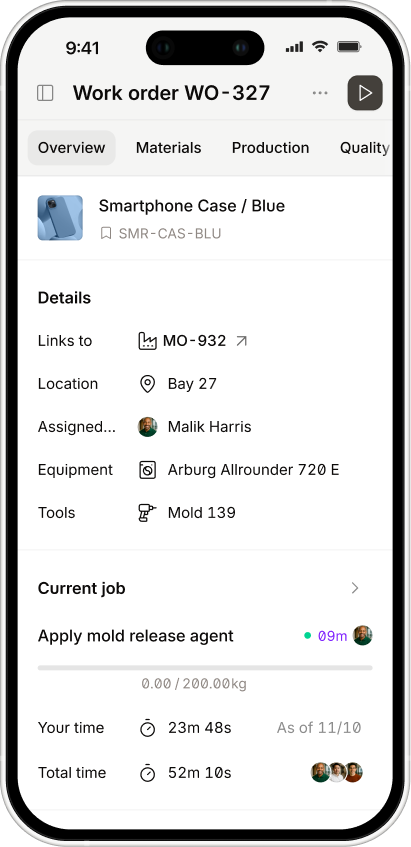
Instead of forcing teams into rigid workflows, Digit has a flexible core that grows with your business. It connects inventory, production, and orders in real time. Operators and leaders get the clarity they need to make better decisions as conditions change.
The scorecard method: a system of progress
Progress starts with a unified system of record that pulls operational data into a single view.
Rather than simply tracking activity, Dan emphasizes the importance of measuring execution. A scorecard-based approach helps organizations clarify how well they’re doing across maintenance, production scheduling, working capital, and overall operational efficiency.
Instead of selling software for software’s sake, Dan outlines how modern platforms help operators move the needle. Ultimately, teams need shared data to bring alignment. This is what drives accountability, measures performance, profitability, and growth.
What You’ll Learn in This Episode
- Why ERP systems still struggle today
- Systems don’t guide users on what to improve, but visibility does
- What growing manufacturers actually need from ERP
SourceForge podcast, episode #96
▶️ Watch or Listen on YouTube, Spotify, or Apple Podcasts
📖 Read the show notes on SourceForge
About SourceForge
SourceForge connects the people who build software with the teams who depend on it by creating practical, experience-driven conversations. Their platforms highlight insights from the leaders responsible for running, maintaining, and scaling the systems that organizations rely on every day, focusing less on hype and more on what actually works in real-world environments.
About Digit
Digit Software builds next-generation, affordable ERP platforms designed for growing manufacturers and distributors. Digit helps by bringing inventory, production, and order data together to streamline operations and support long-term growth.
.jpg)


.jpg)
.jpg)