

Spreadsheets are fine until you start scaling. Failing to upgrade your system is costing you time and money as you put out fires caused by manual tracking.












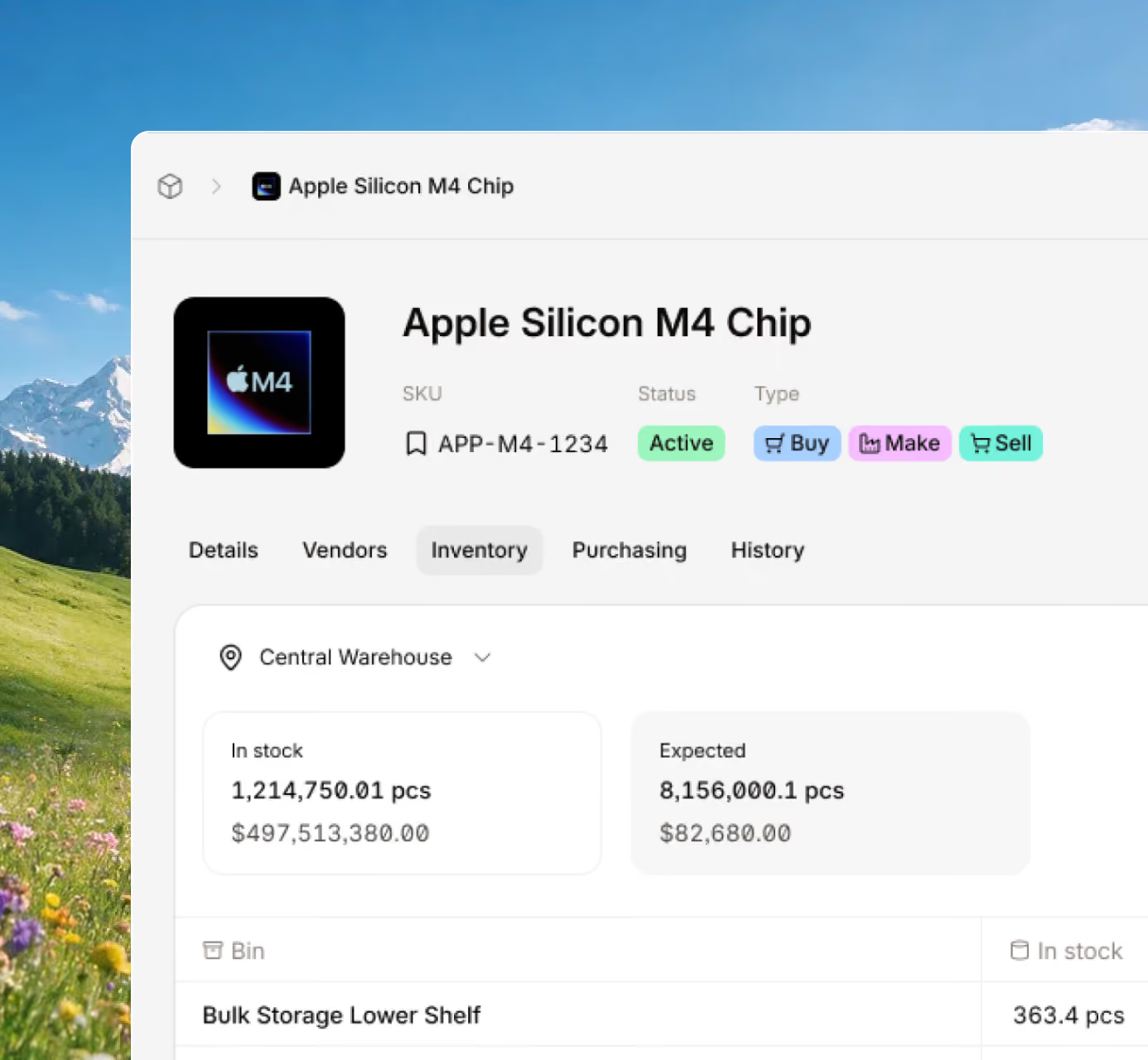







Real-time data helps you and your team stay aligned and fulfill orders on schedule. Get control over all your materials and orders.

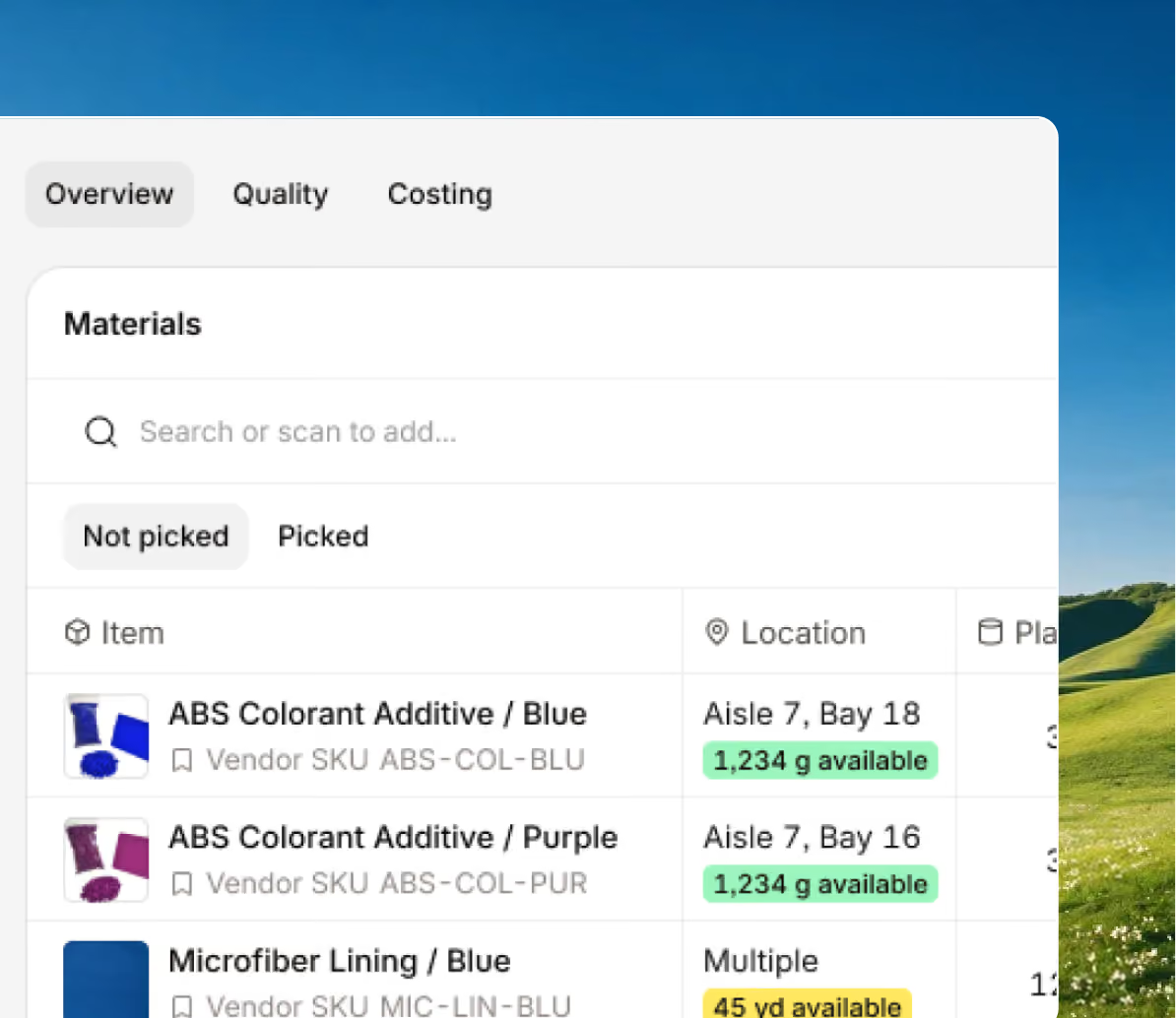
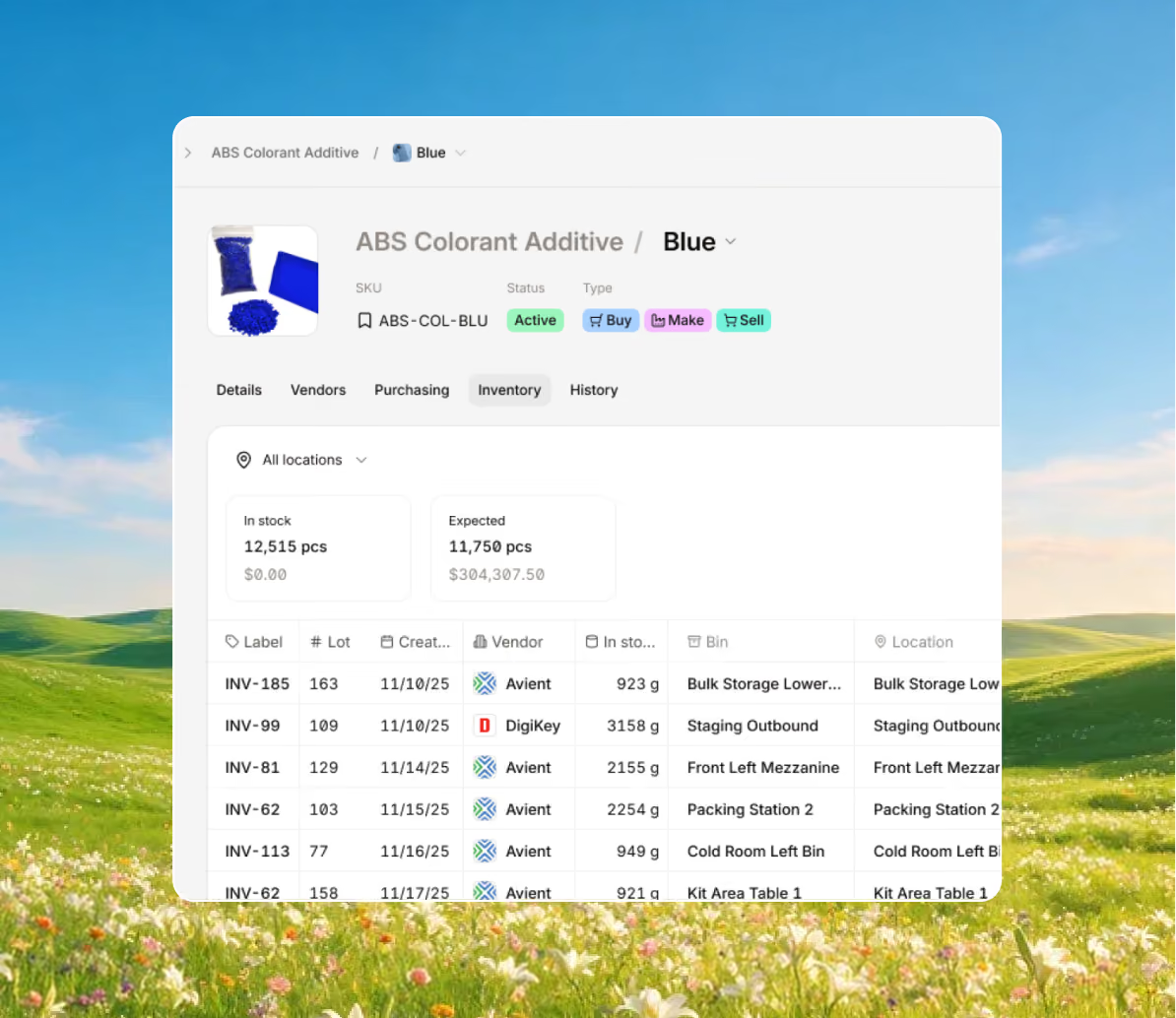
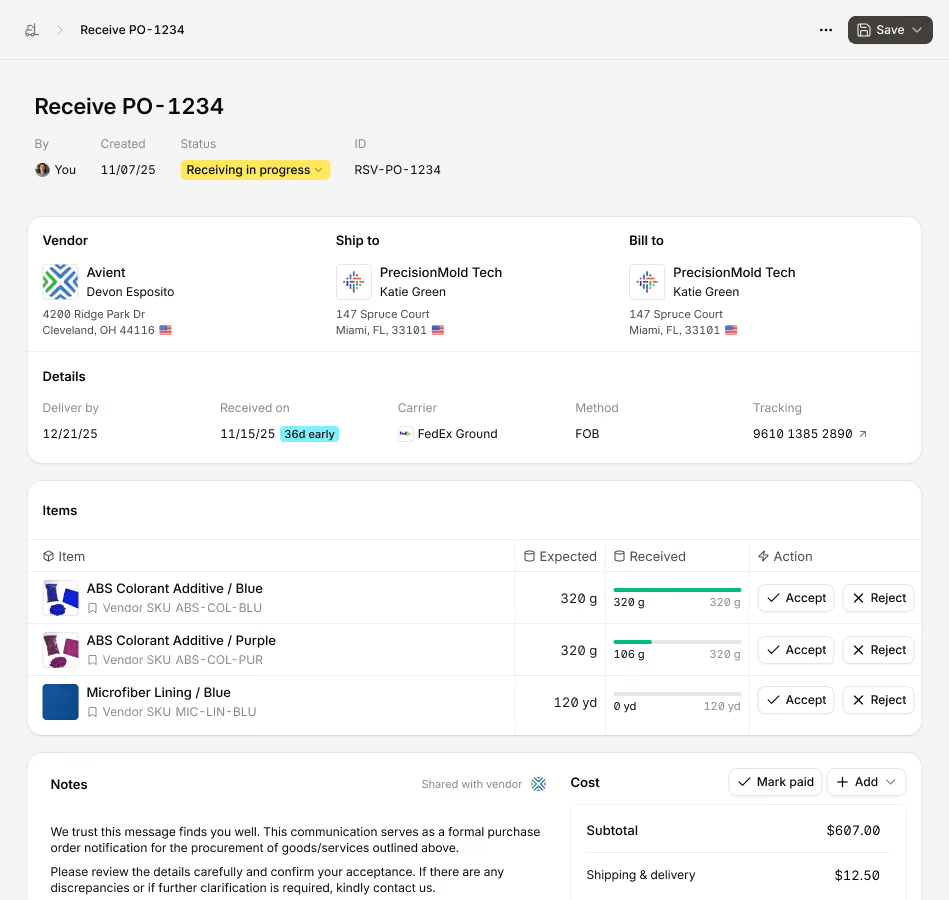
Know exactly where every part, pallet, and product is, with real-time inventory control from receiving through delivery, with accurate levels and costs.
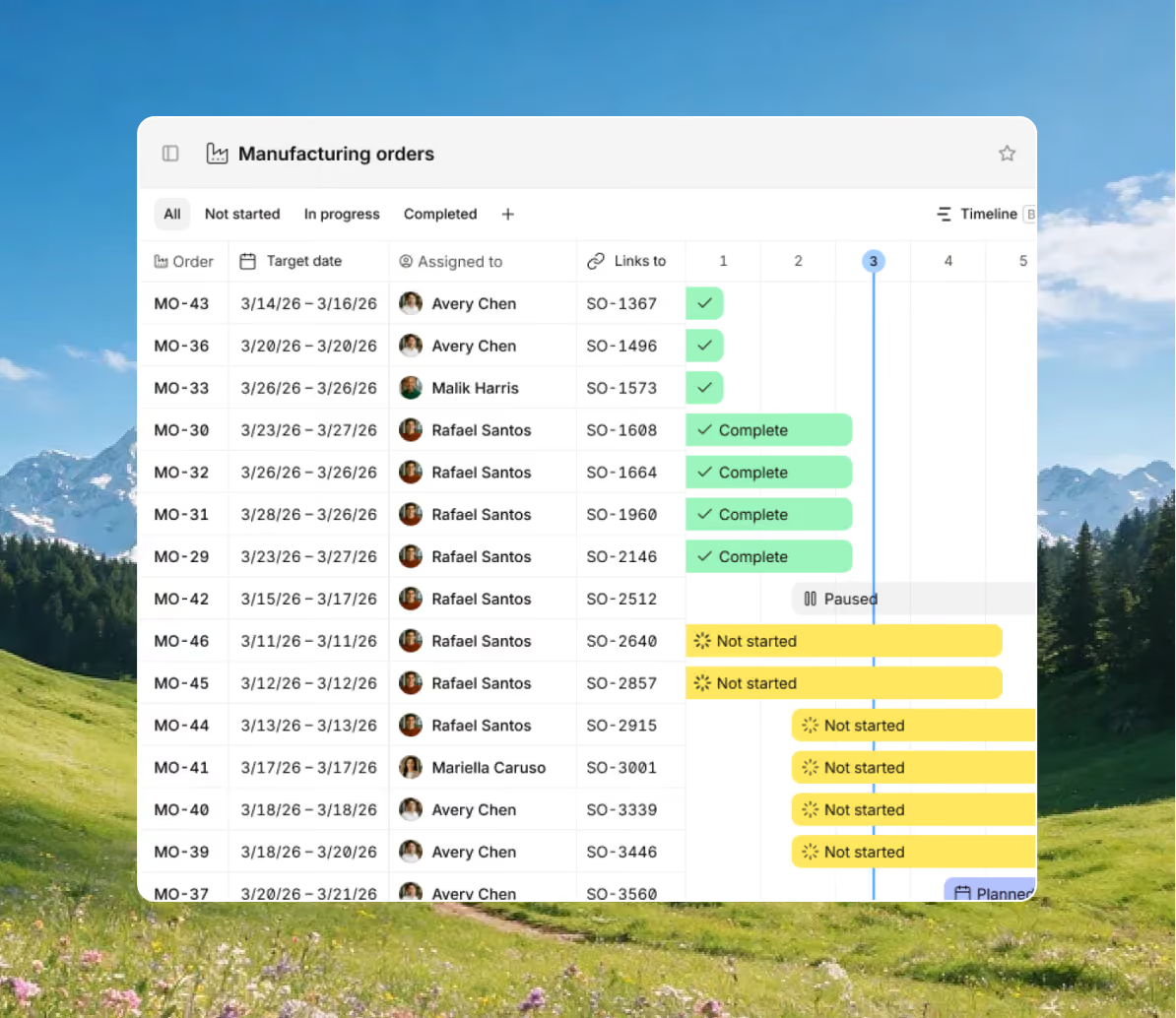
If you make your own products, you can track production with real-time data to keep everyone focused on the right work and meet deadlines.
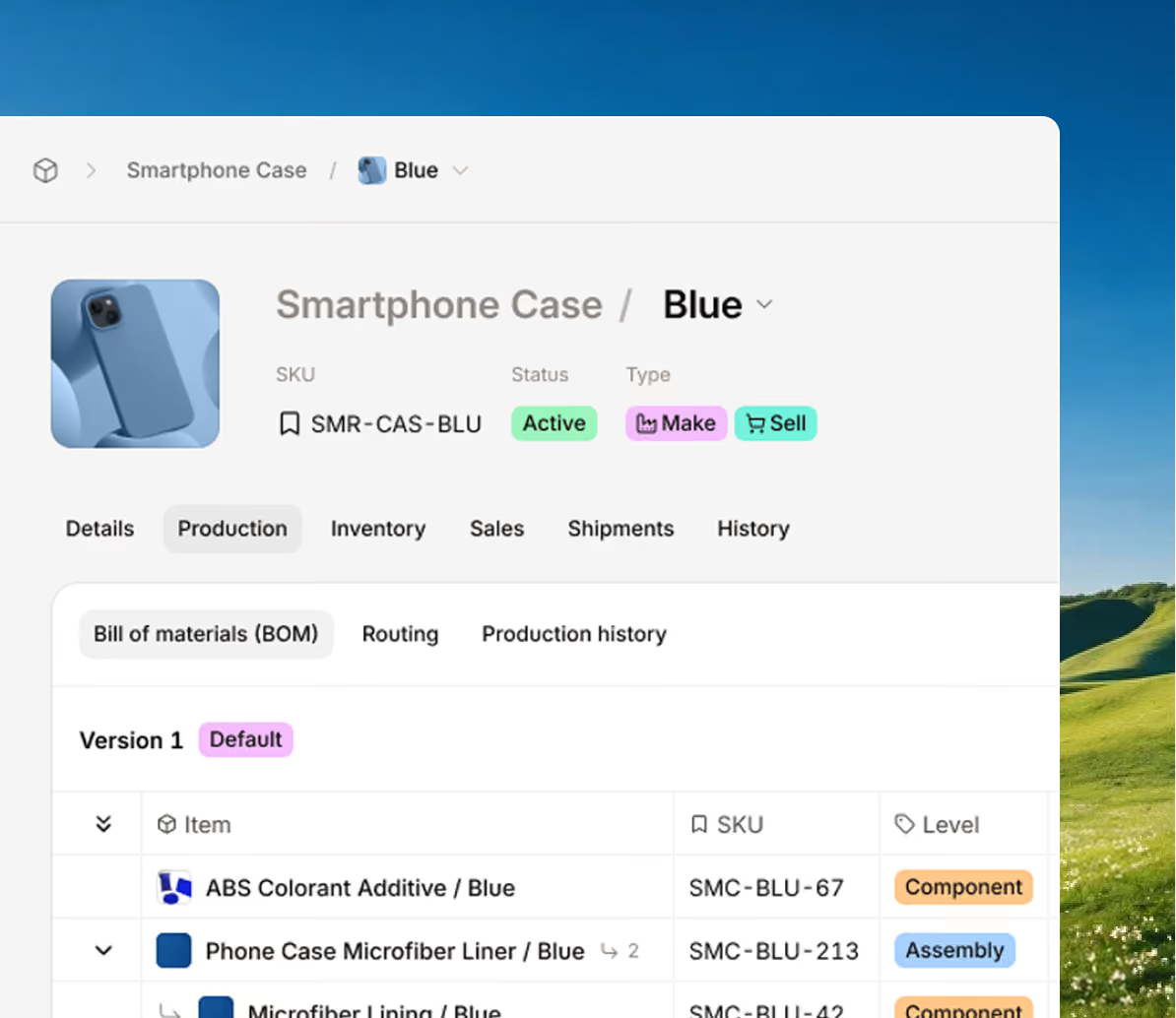
Use multi-level bills of materials and routes to maintain consistent output and the highest quality, while creating and tracking order progress in real time.
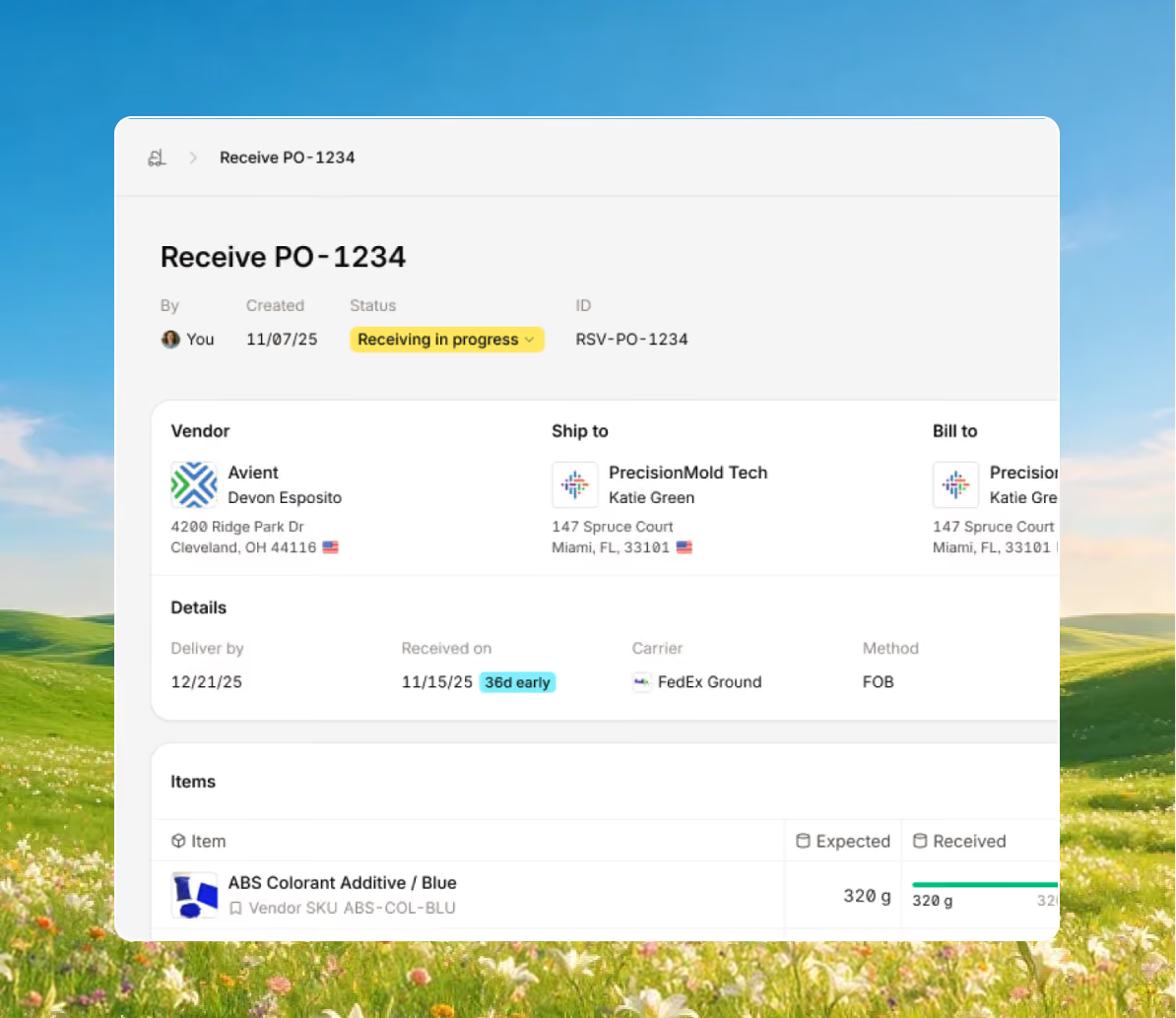
Centralize all your purchasing data in one place, so you know exactly what's in transit and if you need to create a new PO for materials and supplies.
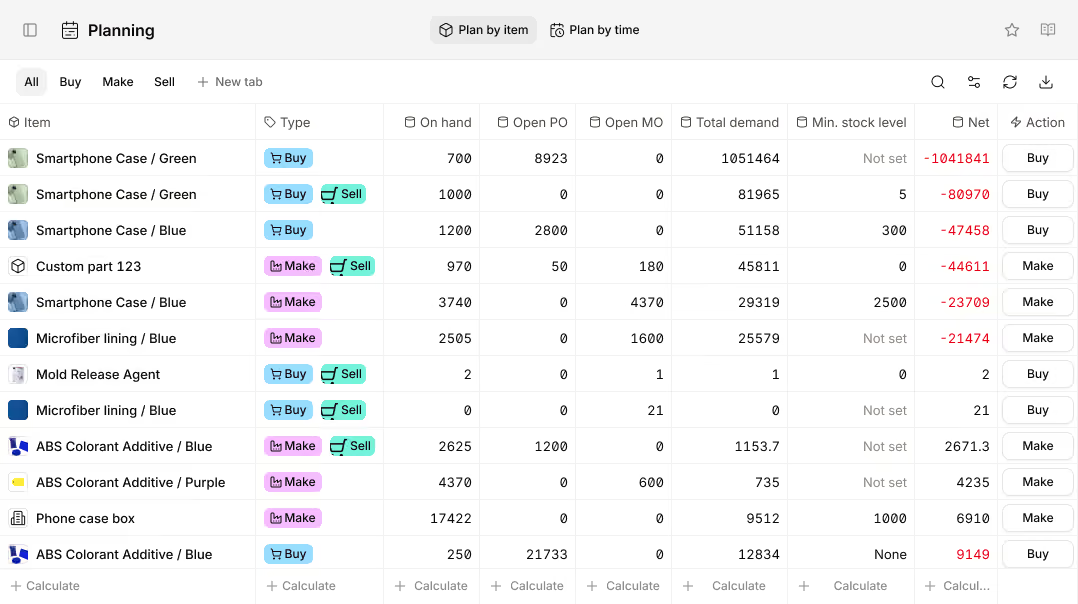
Control spending and always have inventory on-hand to fulfill orders with accurate forecasts that show what's needed to keep products moving.
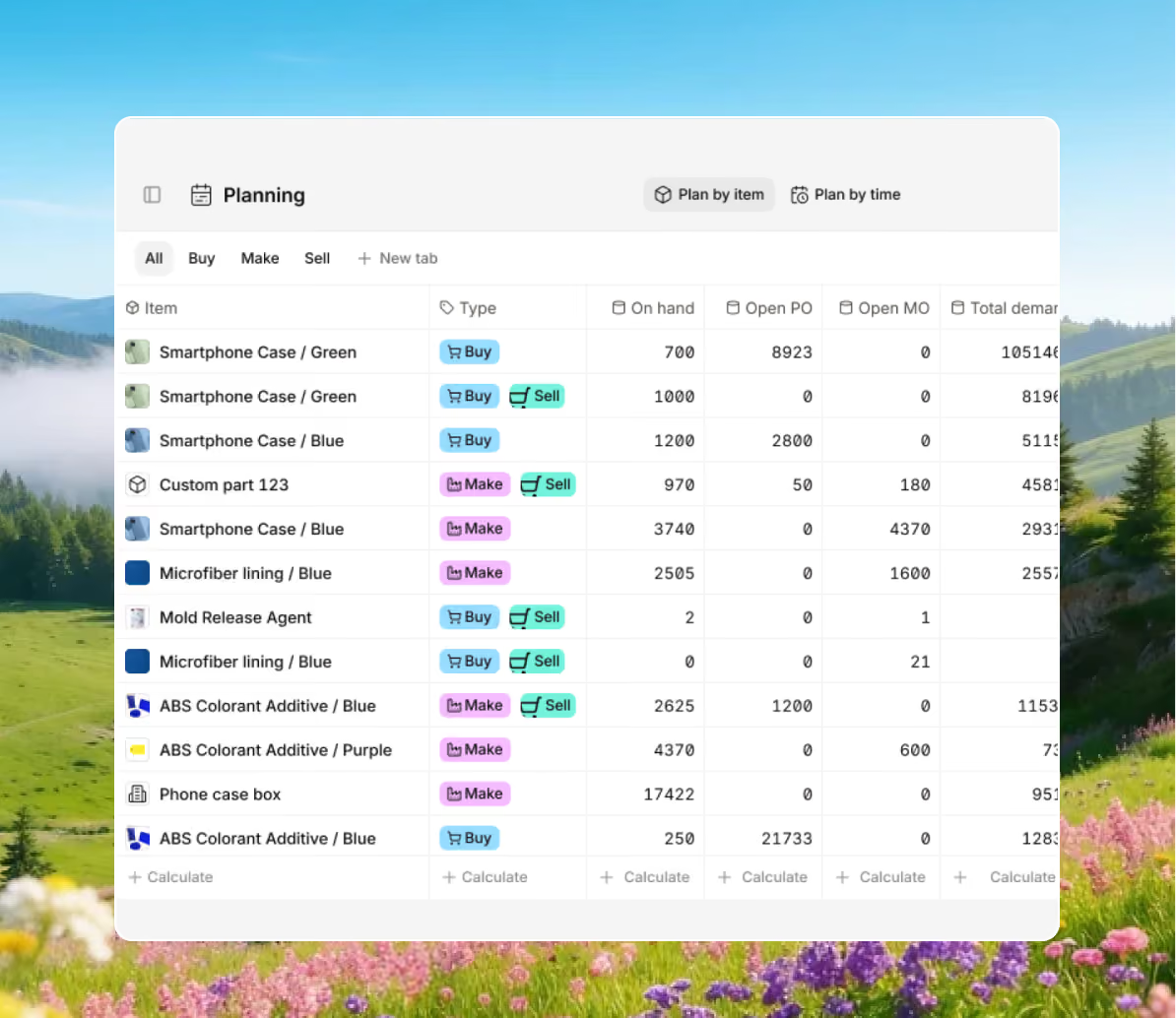
Bring every sales channel and accounting tool together in one system with seamless syncing and flexible API access.





Bring your inventory, accounting, and production together in stock management software built for manufacturers. Keep every part of your business connected, accurate, and easy to track.


100+ manufacturers and distributors have replaced spreadsheets and legacy ERPs with Digit.

"If I can capture two seconds across 19 machines across a 24-hour span, I'll save the customer thousands of dollars."
Chris Johnson



“The impact Digit has had has been enormous, saving a lot of time, capturing a lot of data, streamlining a lot of processes, with a system that everyone loves to use.”
Tanner Thomas


“Digit has given us the insight into current and upcoming stock on our ingredients and raw materials needed for production. This allows us to procure more before we stock out and to be confident that we have enough to finish any upcoming production run.”
Adam Davis
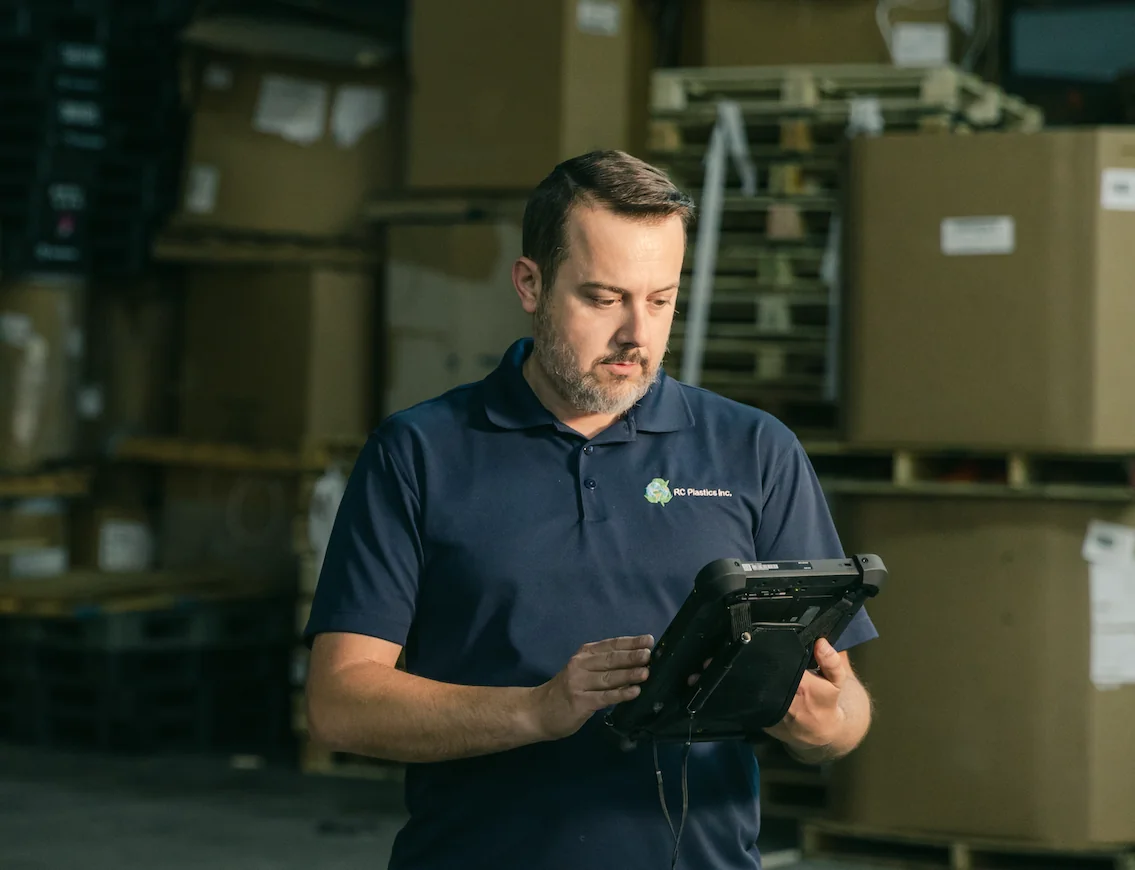
"Digit is the most adaptable, user-friendly software we have ever used."
Joe Watkins
%2520(1).webp)
"With Digit, everything from our inventory to our production data is the word of truth. I can trust it. I can rely on it."
Joshua Burris


Your most frequently asked questions, all in one place. If you don’t see what you need, reach out to us.
Yes. For example, Digit integrates with QBO and QBD. There are additional native integrations with e-commerce solutions and an API for syncing with other business-essential tools.
Yes, you can. Digit supports multi-location warehouse tracking, giving you control over both locations and bin-level inventory.
You can manage all physical and operational facilities from the Locations tab, designating each location for billing, shipping, or both. New warehouses can be added quickly, and existing addresses can be edited as operations evolve.
Within each location, Digit enables bin-level tracking for precise inventory visibility. Teams can create bins, assign them to specific addresses, and define their purpose using settings such as active/inactive status and a work center toggle to distinguish production areas from standard storage.
Each bin includes a location inventory view that shows exactly which items are stored there. As your team and workflows grow, locations and bins can be updated easily.
You can expect to be up and running with Digit in 30 days or less.
Digit is built on an Actual Costing model, similar to a perpetual FIFO (First-In, First-Out) method, which tracks the unique, actual cost of every inventory label (lot/batch) from acquisition through production to sale.
This gives you the most precise cost data for traceability and margin analysis.
Cloud-based inventory software can be accessed via the internet, while on-premises versions must be accessed on site.
When it comes to accessibility, affordability, and updates, cloud-based is better. But on-premises small business inventory management software still has its place, and it largely depends on the industry.
For example, if you’re a company that manages highly sensitive information or has contracts or compliance requirements that demand high levels of security (such as the military-industrial complex), then having software accessible only at a secure location is likely to provide the best protection for that data.
Inventory management software helps you know what products you have and how many. It tracks stock levels, costs, and reorder points.
Warehouse management software focuses on where items are stored and how they move inside a warehouse. It helps workers pick, pack, store, and ship items faster and more accurately.
You can get warehouse-specific software, but nowadays, small business inventory management software like Digit can assist with and unify warehouse and inventory operations.
